Top Uses of Osb Board Wood in Construction and DIY Projects?
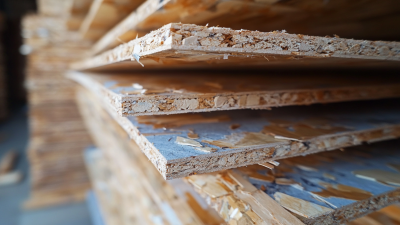
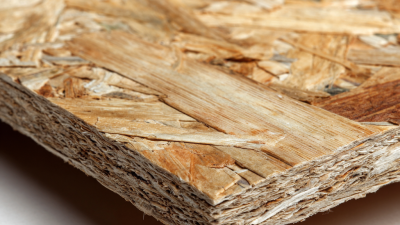
In recent years, Osb Board Wood has gained significant attention in the construction industry. Its unique composition offers strength and versatility, making it a popular choice for various projects. According to a report by the Forest Products Laboratory, the demand for engineered wood products like Oriented Strand Board (OSB) is projected to grow by 5% annually. This rise reflects the industry's shift towards sustainable building materials.
Expert Tim Johnson, a leading figure in the wood products sector, emphasizes the importance of this material. He states, "Osb Board Wood is revolutionizing how we approach construction." Its affordability and ease of use serve both professional builders and DIY enthusiasts. These aspects contribute to its increasing popularity in home renovations and new builds alike.
Despite these advantages, some challenges hinder its widespread acceptance. Issues like moisture sensitivity and potential for surface damage can pose concerns. Builders and homeowners must weigh these factors carefully when choosing Osb Board Wood for their projects. Ultimately, understanding its strengths and weaknesses is key to making informed decisions in modern construction practices.
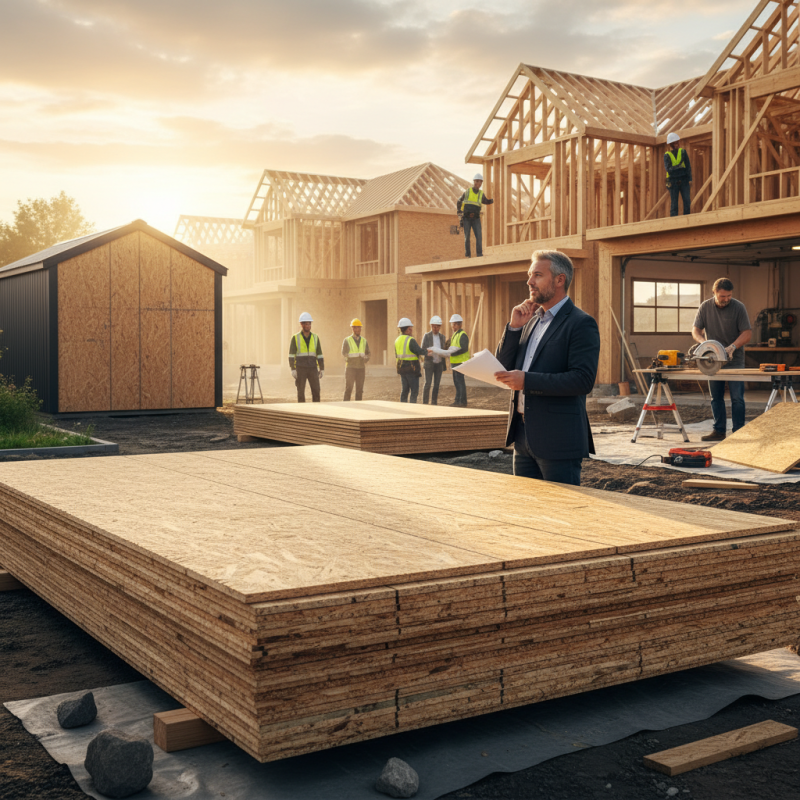
Top Applications of OSB Board in Modern Construction Projects
OSB board, or oriented strand board, has become a staple in modern construction projects. It is cost-effective and versatile. Many builders favor it for wall sheathing, subflooring, and roof decking. Its structural integrity is commendable, providing a strong base for various applications. The use of OSB board allows for efficient insulation as well. With the right installation, it enhances energy efficiency in buildings.
In DIY projects, OSB board is popular among hobbyists. It serves well for furniture building. Crafting shelves or storage solutions is easy with this material. Its surface accepts paint and finishes quite well. However, using OSB can be a double-edged sword. If not properly sealed, it may absorb moisture, leading to degradation over time. This underscores the importance of proper application techniques and maintenance.
Moreover, OSB board can create visually appealing designs when used thoughtfully. Many blend it with other materials for aesthetic appeal. Nonetheless, achieving the perfect balance requires experimentation. Builders often face challenges when working with OSB due to its density. Cutting and shaping it can be tricky. It demands attention to detail and the right tools, emphasizing the learning curve involved in utilizing this material effectively.
Top Uses of OSB Board Wood in Construction and DIY Projects
Benefits of Using OSB Board Over Plywood in Building Structures
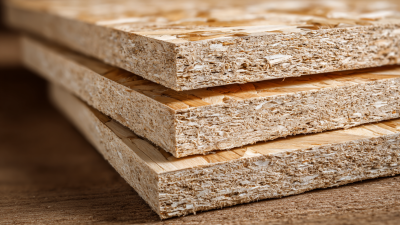
OSB board, or oriented strand board, offers distinct benefits over traditional plywood in construction and DIY projects. For one, OSB tends to be more cost-effective. It uses wood strands that are glued together, creating a strong board at a lower price. This can be particularly beneficial for large projects where budget constraints are a concern.
Durability is another strong suit of OSB. The manufacturing process makes it resistant to many forms of damage, including warping and splitting. This can be crucial for structural applications. However, some people find OSB boards less aesthetically pleasing than plywood, which may affect their choice in visible areas.
Moreover, OSB boards can contribute to eco-friendliness. Made from smaller, surplus wood strands, they maximize resource use. Yet, if not properly sealed, they may absorb moisture, leading to potential issues. Considering these factors can guide a well-informed decision for any DIY enthusiast or builder.
Sustainability of OSB Board: Environmental Impact and Recycling Facts
Oriented Strand Board (OSB) is a popular material in construction. Its sustainability aspect deserves attention. OSB is made from wood strands, which are typically sourced from fast-growing trees. These trees require less time to mature, making OSB a more renewable choice compared to traditional lumber.
The environmental impact of OSB production is significant. It utilizes the entirety of the tree, reducing waste. However, the glue used in OSB can sometimes release volatile organic compounds (VOCs). While many manufacturers have improved their formulations, it’s crucial to choose low-VOC options to minimize indoor air pollution.
Recycling OSB is another vital topic. While it can be recycled, the process can be complex due to the adhesives involved. Some facilities may not accept OSB for recycling, leading to landfill waste. Being mindful of these aspects is essential for eco-conscious builders and DIY enthusiasts. It’s worth reflecting on how our choices affect the environment.
Cost-Effectiveness of OSB Board in DIY Home Improvement Projects
OSB board, or oriented strand board, has become a popular choice for DIY home improvement projects. Its cost-effectiveness catches the attention of many homeowners. According to industry reports, OSB is often cheaper than plywood, with price differences reaching up to 20%. This affordability makes it an appealing alternative for budget-conscious builders.
However, while its low cost is enticing, the durability may not always match expectations. OSB's moisture resistance is lower compared to other materials. This could lead to swelling or warping in humid environments. Homeowners should consider this when planning projects, especially in areas exposed to moisture.
Using OSB for flooring, sheathing, and furniture can save money. Yet, it's crucial to weigh the benefits against potential issues. Regular upkeep and protective coatings may help extend its lifespan. Some DIY enthusiasts find themselves needing to replace OSB sooner than expected. This can undermine the initial savings, prompting reflections on material choices for future projects.
Investing wisely is key to achieving lasting results.
Performance Metrics: Strength and Durability of OSB Board Products
OSB board is gaining popularity in construction for its strength and durability. According to industry reports, OSB offers comparable structural performance to plywood. In fact, it often displays superior shear strength, which is crucial for load-bearing applications. This characteristic makes OSB ideal for wall sheathing, flooring, and roof decking.
One concern with OSB is its susceptibility to moisture. While OSB can withstand standard conditions, prolonged exposure can weaken its integrity. In a study by the Forest Products Laboratory, the average bending strength of OSB was measured at 5,800 psi, though moisture exposure diminished this by as much as 30%. This highlights the importance of proper sealing and protective measures.
Another performance metric is durability. OSB has a notable resistance to impact and deformation. Yet, it can suffer from surface flaking, especially if improperly stored or handled. Ensuring that OSB is stored in a dry, climate-controlled environment can enhance its lifespan. This highlights a need for careful project planning to maximize the benefits of OSB in both construction and DIY projects.