Inquiry
Form loading...

2026 Top Uses for Building Plywood in Construction?

Building Plywood remains a crucial material in construction. Its versatility appeals to many builders and architects. This material is lightweight yet strong, making it perfect for various applications. Plywood can withstand heavy loads and harsh weather.

In the upcoming years, we will see even more innovative uses for Building Plywood. From residential homes to commercial buildings, its applications are vast. Custom designs often arise, showcasing creativity in modern construction. However, some challenges remain. Not all plywood can guarantee the same quality, and choosing the right type is essential.

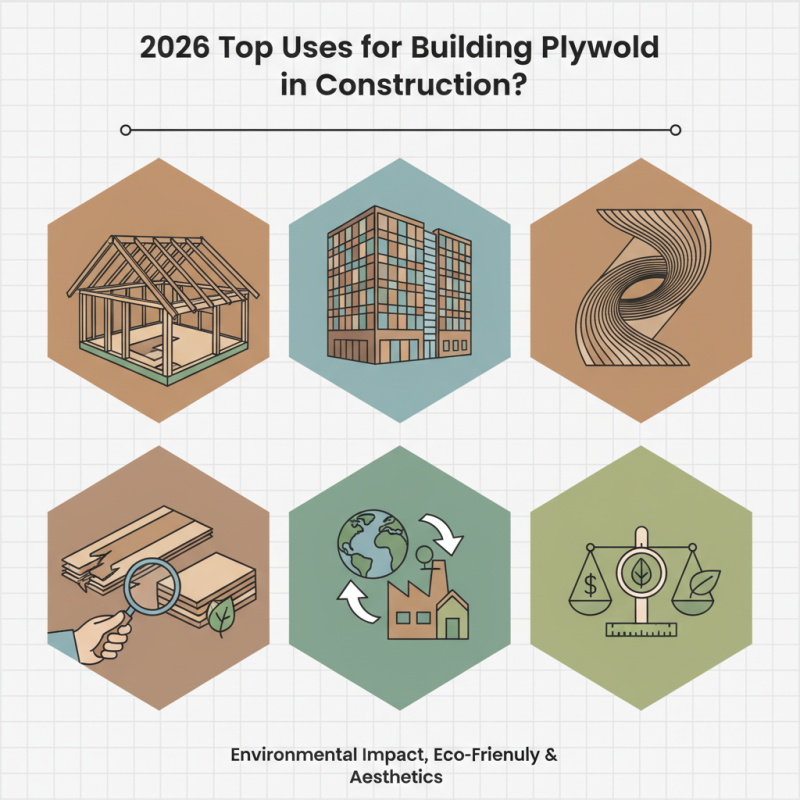
As the industry evolves, builders must be mindful of their selections. Sustainability is an important factor. The sourcing of Building Plywood may impact the environment. Finding the right balance between aesthetics, cost, and eco-friendliness is crucial. Reflecting on these aspects will shape the future of construction.
2026 Top Uses for Building Plywood in Construction?

Key Benefits of Using Plywood in Modern Construction Projects

2026 Top Uses for Building Plywood in Construction?

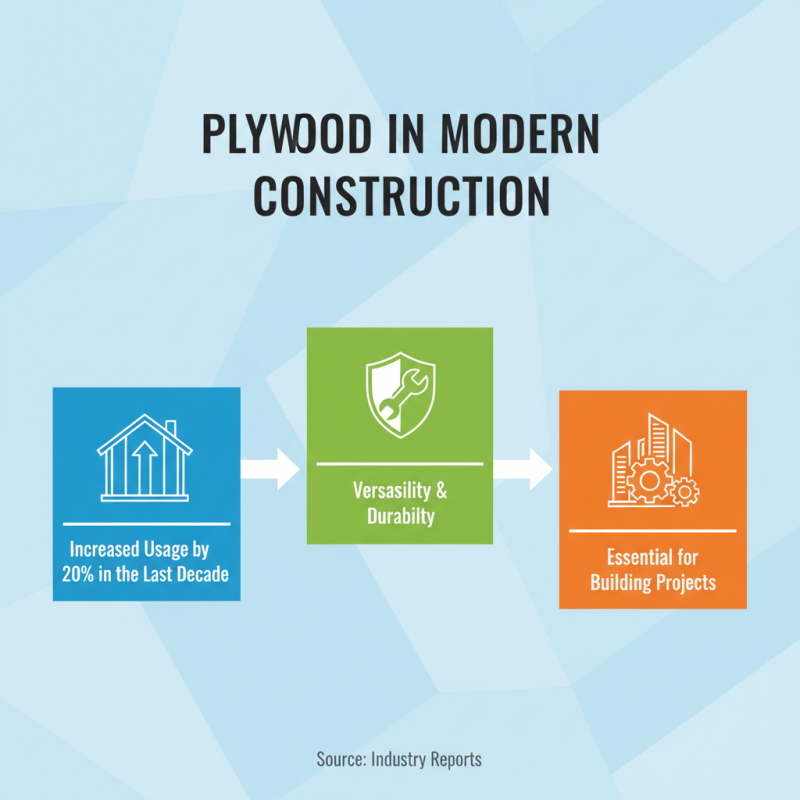
Plywood has gained immense popularity in modern construction. Its versatility makes it a preferred material for various applications. According to industry reports, plywood usage in construction has increased by 20% over the past decade. This trend highlights its essential role in building projects.

One key benefit is plywood's strength-to-weight ratio. It offers good structural support while remaining lightweight. This characteristic leads to easier handling and reduces transportation costs. Plywood can withstand significant stress, making it suitable for flooring, walls, and roofs. Additionally, it is often sourced from sustainable wood, which appeals to environmentally conscious builders.

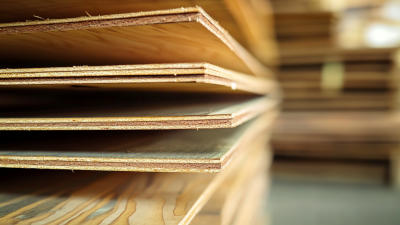
However, challenges exist. Plywood can be affected by moisture, leading to warping or delamination. Proper sealing and treatment are necessary to prevent these issues. Another concern is the quality of materials. Not all plywood meets the same standards, so careful selection is crucial. Despite these drawbacks, plywood continues to evolve. New engineered options are being developed to enhance durability and reduce environmental impact.
Common Types of Plywood Suitable for Various Construction Applications

2026 Top Uses for Building Plywood in Construction?

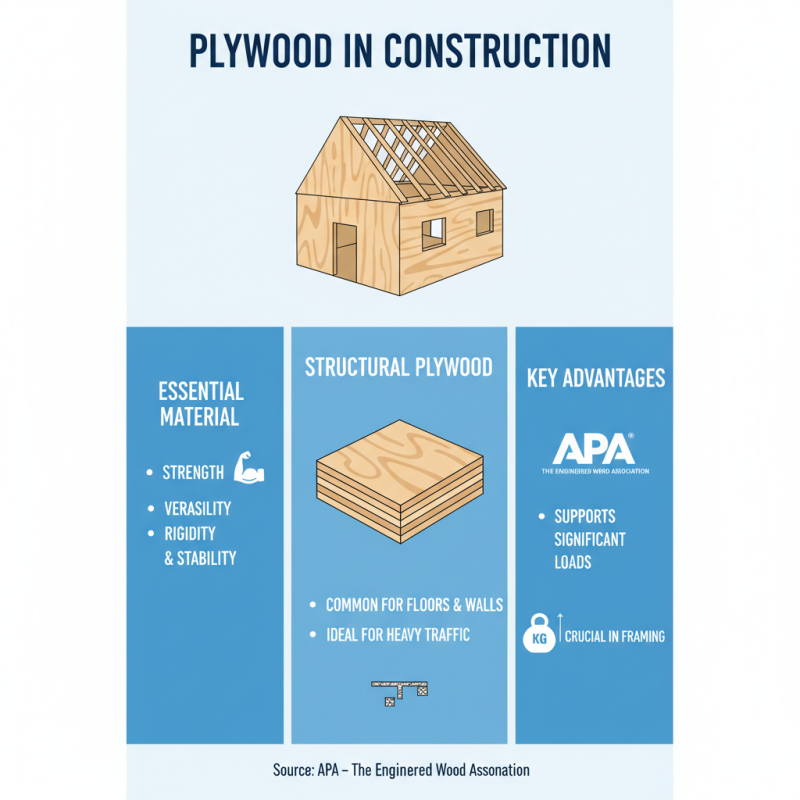
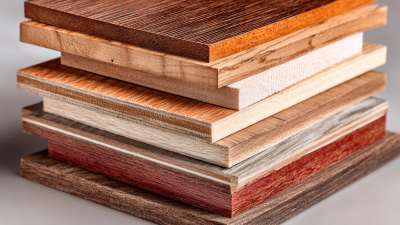
Plywood is essential in construction, known for its strength and versatility. Various types are suited for different applications. Structural plywood is a common choice for floors and walls. It offers rigidity and stability, which are crucial in framing. According to the APA - The Engineered Wood Association, structural plywood can support significant loads, making it ideal for heavy traffic areas.

Another popular type is marine plywood. This variety is designed for moisture resistance, perfect for projects near water. Builders often prefer it for boat construction or docks. A report by the Plywood Association highlights that marine plywood can last longer than standard plywood in humid conditions. However, it requires careful handling and proper sealing.

Oriented strand board (OSB) is also gaining traction. While it is often less expensive, its performance can vary. Some reports suggest OSB can swell when exposed to moisture, leading to issues down the line. Thus, moisture management is key. Ultimately, selecting the right plywood type can significantly impact a project's durability and cost-efficiency. Each choice comes with advantages and potential drawbacks, reminding builders to evaluate their specific needs consistently.

Innovative Uses of Plywood in Sustainable Building Designs

In recent years, plywood has transcended traditional uses in construction. Innovative building designs now highlight its role in sustainable practices. Reports suggest that timber-based products can reduce carbon footprints by up to 50%. With plywood being lightweight yet strong, it's perfect for structural applications. This allows for innovative techniques that decrease material waste.

Using plywood creatively can lead to impressive architectural results. Think of intricate wall panels or unique ceiling designs. These applications not only enhance aesthetics but also improve thermal insulation. Investing in high-quality plywood can yield long-term benefits, as it remains durable over time. However, selecting the correct type is crucial. Not all plywood is equal, and some options might not meet sustainability goals.

Tips: Choose certified plywood to ensure environmental responsibility. Proper storage of plywood is essential to prevent warping. Consider local suppliers to minimize transportation emissions. Engaging with sustainable materials requires thoughtful decision-making and ongoing evaluation. As we adapt, reflecting on our choices will pave the way for even greater innovation in building design.

Cost-Effective Advantages of Plywood Compared to Other Materials

Plywood stands out as a versatile building material with numerous cost-effective advantages. Its strength-to-weight ratio makes it easier to handle compared to heavier alternatives. Construction projects benefit greatly from plywood's durability and resilience. In many cases, it serves as an ideal replacement for more expensive materials.

Tip: Consider using plywood for flooring and wall sheathing. It's often cheaper, easy to install, and readily available.

Another angle to think about is sustainability. Plywood is made from renewable resources. Unlike steel or concrete, which have high environmental costs, plywood production can have a smaller footprint. It's an option that aligns well with eco-friendly building practices.

Tip: Look for locally sourced plywood. This can reduce transportation costs and support community businesses.

While there are many positives, not every project may benefit equally. Moisture resistance varies, so proper treatment is essential. Careful consideration of the intended use will help in making the right choice. Understanding these factors can lead to smarter, more sustainable decisions in construction.

Techniques for Properly Installing Plywood in Construction Settings

Properly installing plywood in construction settings is crucial for ensuring durability and safety. Start by selecting the right type of plywood. Use exterior grade for outdoor projects. Interior grade works well for indoors. Always check for wood defects before installation. Knots or warps can weaken the structure.

Before installation, prepare the site. Ensure the surface is clean and dry. This prevents moisture from rotting the plywood. When cutting plywood, use a sharp saw. This will minimize splintering. Measure carefully. It’s easy to make a mistake that could lead to wasted material. Use clamps to secure the plywood while working.

When attaching plywood, use the right fasteners. Screws generally provide better hold than nails. Space them properly for stability. Pay attention to how plywood expands and contracts with temperature changes. Leaving gaps is essential for natural movement. Adapting to these details can be tricky. A minor oversight can lead to problems down the line. Make it a habit to double-check your work. Moving forward, reflect on what can be improved. Learning from mistakes is part of the process.

2026 Top Uses for Building Plywood in Construction

Use Case Description Benefits Installation Techniques
Structural Sheathing Used as a secondary layer for walls, roofs, and floors to provide support. Enhances structural integrity, moisture resistance. Ensure proper nailing patterns, use weather-resistant barriers.
Formwork Utilized to create molds for pouring concrete. Cost-effective, durable, easy to shape. Secure with clamps and braces for a tight fit.
Furniture and Fixture Constructed for cabinetry, shelving, and custom fixtures. Aesthetic appeal, flexibility in design. Use precise measurements, and appropriate adhesive for joints.
Temporary Structures Used for scaffolding, temporary walls, and enclosures. Lightweight and easy to assemble/dismantle. Ensure stability with proper anchoring systems.
Roof Decking Provides the base layer for roofing systems. Adds insulation and supports roofing materials. Install with sufficient spacing to accommodate thermal expansion.