Top Quality Colored Plywood for Global Buyers in 2026?
In 2026, the demand for colored plywood is expected to reach unprecedented heights. According to a recent report by the Global Plywood Association, the colored plywood market is projected to grow by 15% annually. This surge is driven by increased construction activity and a rising preference for aesthetically pleasing materials in interior design. Unfortunately, sourcing high-quality colored plywood remains a challenge for many global buyers.
Expert in the field, Dr. Emily Carter, states, "The future of colored plywood hinges on innovation and sustainability." Her insights emphasize the need for manufacturers to adapt to evolving market demands. The competition is fierce. Many suppliers struggle to offer durable products while maintaining vibrant colors. Quality control is paramount but often overlooked. Buyers must navigate these waters carefully.
Investing in colored plywood can be rewarding. However, potential buyers need to evaluate suppliers on their ability to meet standards. Transparency in production processes is essential. Ultimately, understanding the complexities of the colored plywood industry will empower buyers to make informed decisions. The right choice can lead to beautiful, lasting results in their projects.
Trends in Colored Plywood for 2026 Global Market
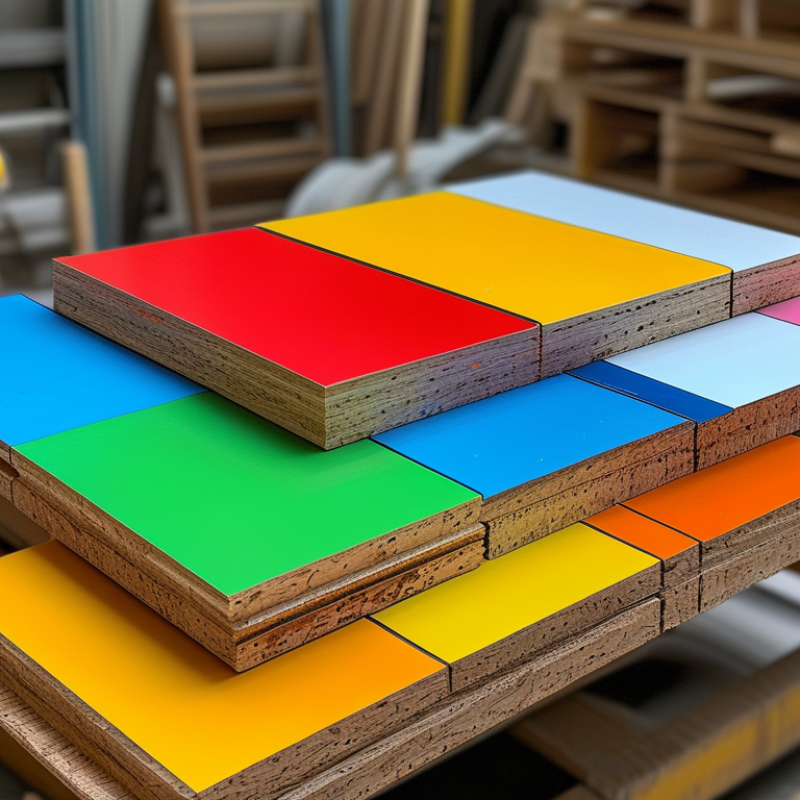
The colored plywood market is evolving swiftly as we approach 2026. Buyers worldwide are increasingly looking for materials that are not only functional but also aesthetically pleasing. The integration of vibrant colors into plywood enhances design possibilities for various industries, from furniture to construction.
Recent trends indicate a shift towards environmentally friendly options. Manufacturers are seeking sustainable sources for colored plywood. This approach not only attracts eco-conscious buyers but also aligns with global sustainability goals. However, consistency in color quality remains a challenge for many producers. This inconsistency can influence purchasing decisions and may impact market trust.
Another notable trend is customization. Clients desire unique colors and finishes tailored to their specific requirements. This demand can push production limits and complicate supply chains. Balancing creativity with feasibility is essential for manufacturers. The potential for innovation is great, but companies must also reflect on these challenges to meet buyer expectations effectively.
Factors Influencing the Demand for Colored Plywood Worldwide
The demand for colored plywood is on the rise in 2026. Several factors influence this trend. Increased construction activities globally are a primary driver. Builders seek unique designs to attract buyers. Colored plywood offers aesthetic appeal and versatility in applications. From residential homes to commercial spaces, its usage is expanding.
Consumer preferences shift toward sustainability. Eco-friendly materials are becoming popular. Colored plywood, made from renewable resources, meets this demand. Buyers increasingly focus on how products are sourced and their environmental impact. A strong commitment to sustainability can attract a broader customer base.
Tips: Consider experimenting with different colors. Your project can stand out with the right shades. Also, think about combining textures. It can add depth and character to your designs. Lastly, keep an eye on market trends. They can influence your choices in materials and finishes. Stay adaptable to what customers want.
Top Quality Colored Plywood for Global Buyers in 2026
| Region |
Market Demand (Units) |
Average Price (USD) |
Growth Rate (%) |
Key Factors Influencing Demand |
| North America |
1,200,000 |
$45 |
5.2 |
Eco-friendly trends, DIY culture |
| Europe |
800,000 |
$50 |
4.5 |
Regulations and design preferences |
| Asia-Pacific |
1,500,000 |
$30 |
6.8 |
Rapid urbanization, construction boom |
| Latin America |
600,000 |
$38 |
3.1 |
Rising demand for sustainable materials |
| Middle East & Africa |
400,000 |
$55 |
2.7 |
Growth in interior design and renovations |
Key Characteristics of High-Quality Colored Plywood
Colored plywood has gained popularity worldwide for its versatility and aesthetic appeal. To ensure quality, buyers should remember key characteristics. First, examine the plywood's surface. A smooth, even finish indicates superior craftsmanship. Irregularities may suggest inferior quality. High-quality colored plywood often shows rich, vibrant hues. These colors should be consistent across the sheets, highlighting the manufacturer's attention to detail.
Another important aspect is the plywood's structural integrity. Check the thickness and the number of layers. Thicker plywood tends to be more durable. Additionally, high-quality products often utilize quality adhesives that resist moisture and warping. Test for flexibility by gently bending the sheet. A reputable plywood will maintain its shape without cracking.
While aesthetics and quality are essential, environmental considerations are equally critical. Look for eco-friendly materials and sustainable sourcing practices. However, suppliers may not always provide clear information about their processes. Buyers should award priority to transparency. Each aspect plays a role in the overall value and functionality of the plywood you choose.
Sustainability and Eco-Friendliness in Plywood Production
Sustainability in plywood production has become a crucial focus for the industry. In 2026, global buyers are increasingly seeking eco-friendly options. According to the Forest Stewardship Council, around 30% of timber today comes from sustainable sources. This shift reflects growing consumer preference for responsibly sourced materials.
The plywood industry faces challenges in achieving sustainability. The use of hazardous chemicals in adhesives remains a significant concern. Reports indicate that nearly 50% of traditional plywood uses formaldehyde-based adhesives. These chemicals can contribute to indoor air pollution and health risks. Manufacturers are exploring alternatives. Bio-based adhesives and water-based formulations are gaining traction. However, the transition requires substantial investments in research and development.
Recycling and repurposing wood waste also play a vital role. The Global Reporting Initiative noted that around 10 million tons of plywood waste are generated annually. Yet, only a small fraction is recycled. Increasing awareness and infrastructure for recycling can shift this balance. Prioritizing sustainability not only minimizes waste but also conserves resources. The journey towards a completely eco-friendly plywood industry is ongoing and complex, highlighting areas for improvement.
Top Manufacturers and Suppliers of Colored Plywood in 2026
The demand for colored plywood is growing rapidly among global buyers. Many manufacturers are focusing on vibrant, durable designs to meet consumer expectations. In 2026, we can expect various colors and finishes to be available, enhancing aesthetic appeal in construction and furniture.
Top suppliers will leverage advanced techniques to improve the quality of plywood. They will experiment with environmentally friendly dyes and coatings. This shift will not only attract eco-conscious consumers but also improve overall durability. Many manufacturers are also adopting transparent sourcing practices to build trust with buyers.
However, challenges remain. Some producers struggle with consistency in color and quality. This variability can lead to dissatisfaction among consumers. Ensuring uniformity will be crucial in establishing a reputation in the market. As buyers become more discerning, manufacturers will need to focus on quality control, ensuring that each batch meets high standards.