Top Plywood Suppliers for 2026 What to Consider?
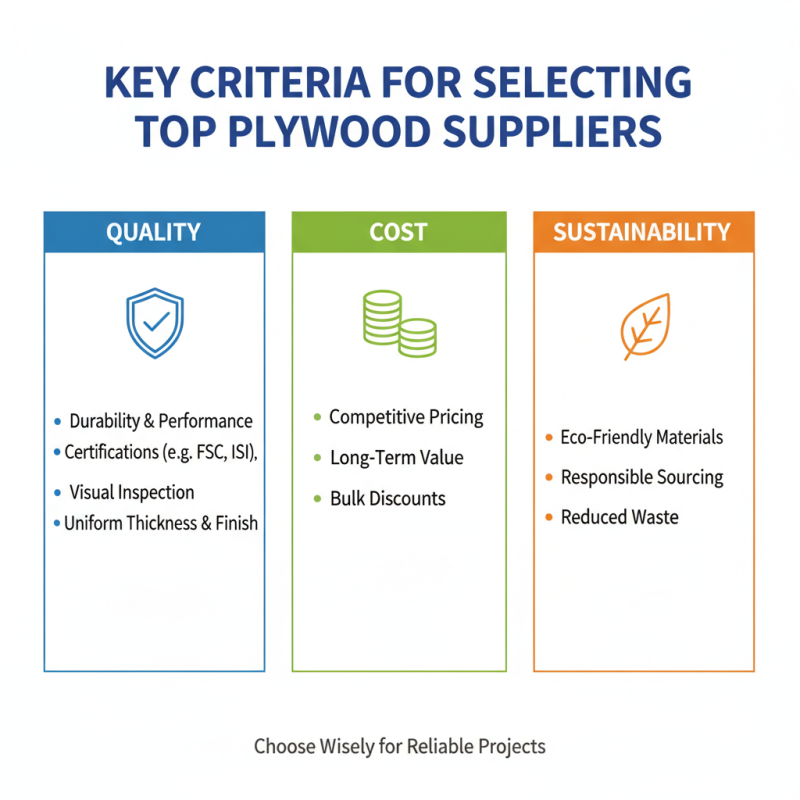
When searching for the right Plywood Supplier in 2026, various factors come into play. The plywood industry is evolving, and choices can overwhelm. Buyers must consider quality, pricing, and availability when selecting a supplier.
In addition, customer service is crucial. A responsive supplier can make a significant difference. Relationships matter. Not all suppliers prioritize customer satisfaction. This can lead to misunderstandings and delays. Flaws in communication could impact your project timeline.
Sustainability is another factor. Eco-friendly practices are becoming more important. Many customers prefer suppliers that use sustainable materials. Not all plywood suppliers meet these standards, so research is necessary. As the industry changes, selecting the right partner is vital for success. Be informed and cautious in your selection process.
The Global Plywood Market: Current Trends and Future Projections for 2026
The global plywood market is experiencing notable shifts as we approach 2026. Current data suggests that the market is expected to grow at a CAGR of 6.5%. Increased demand in the construction and furniture industries drives this growth. Urbanization is advancing rapidly, especially in developing regions, which is boosting plywood consumption. Construction projects are on the rise, often requiring durable materials like plywood.
When selecting suppliers, consider sustainability. Eco-friendly practices are becoming essential. Reports indicate that consumers prefer sustainably sourced products. This trend is likely to influence supplier choices significantly. Additionally, assess product quality. Variations can occur, affecting performance. Suppliers should offer data on certifications and quality assurance processes.
Tips: Always compare multiple suppliers. Don’t settle for the first option that meets your criteria. Research shows that thorough vetting can save costs in the long run. Also, prioritize communication. A responsive supplier is often a reliable partner. Keep an eye on global supply chain dynamics. Disruptions can affect availability and prices. Understand this impact on your decisions as you prepare for future market changes.
Analyzing Leading Plywood Suppliers: Market Share and Competitive Landscape
When analyzing the competitive landscape of plywood suppliers for 2026, several factors come into play. Market share will be pivotal in determining which suppliers lead the pack. It's essential to consider product quality, pricing, and customer service. These aspects can greatly influence purchasing decisions. Suppliers with a strong reputation often gain a larger market share.
Tip: Always check for certifications and quality standards. This can reveal a lot about a supplier's commitment to safety and sustainability.
Additionally, geographical presence matters. Suppliers that operate in various regions can offer better availability and faster delivery times. This can be a decisive advantage in a competitive market. However, regional suppliers may lack the resources and scalability of larger players.
Tip: Keep an eye on emerging suppliers. They may present innovative solutions and competitive pricing. Don't overlook them simply because they are smaller or newer.
The plywood market is evolving, with trends shifting towards eco-friendly materials and practices. As a result, suppliers innovating in this space may gain traction among environmentally conscious consumers. It is crucial to stay informed about these changes to make educated decisions when selecting a supplier.
Technological Advances in Plywood Production: Innovations Affecting Supply Chains
Technological advances are reshaping plywood production. New machinery and methods increase efficiency. Automation plays a crucial role in this transformation. Robots handle repetitive tasks, reducing labor costs. This change can lead to higher quality products. Yet, reliance on technology raises concerns.
Supply chains also benefit from innovations. Real-time tracking systems improve logistics. Digital platforms connect suppliers and buyers seamlessly. However, challenges remain. Data integrity and cybersecurity issues can disrupt operations. Companies must invest in secure technologies to protect their information.
The environmental impact cannot be ignored. Sustainable practices in production are evolving. Using renewable resources and reducing waste is essential. Yet, not every producer prioritizes these changes. The journey toward eco-friendly production needs commitment. Balancing technology and sustainability is complex, requiring ongoing reflection and adaptation.
Top Plywood Suppliers for 2026: What to Consider?
| Supplier Type |
Production Capacity (m³/year) |
Technological Innovations |
Sustainability Practices |
Global Reach |
| Manufacturers |
100,000 |
Automated Cutting Systems |
FSC Certification |
North America, Europe |
| Distributors |
150,000 |
Real-time Inventory Management |
Recycling Programs |
Global |
| Retailers |
200,000 |
E-commerce Integration |
Sourcing from Sustainable Forests |
North America, Asia |
| Importers |
120,000 |
Advanced Logistics Software |
Carbon Footprint Reduction Initiatives |
Europe, Asia |
Sustainability in Plywood Sourcing: Certifications and Environmental Impact
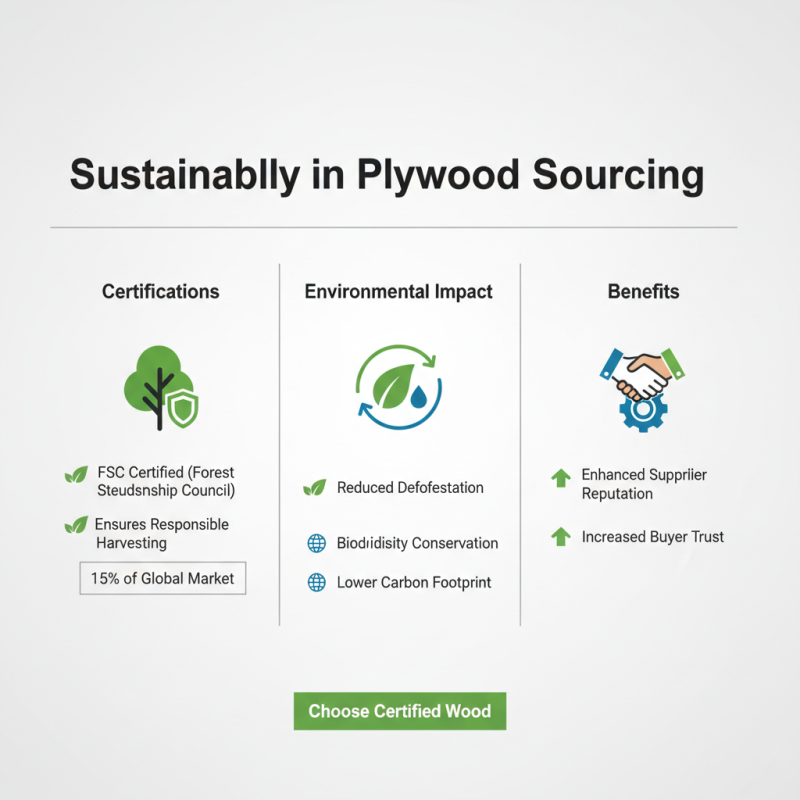
Sustainability in plywood sourcing has become a priority for both suppliers and buyers. According to a report by the Forest Stewardship Council, certified sustainable plywood accounts for about 15% of the market. This certification ensures the wood is harvested responsibly, enhancing the reputation of suppliers. It’s important to examine the sourcing practices of these suppliers.
Environmental impact is another crucial factor. The production of plywood can cause significant deforestation and loss of biodiversity. Reports indicate that illegal logging contributes to 28% of global deforestation. Suppliers who commit to sustainable practices help mitigate this issue. They often invest in reforestation projects and sustainable land management.
However, challenges remain. Not all certifications are equal, and transparency is often lacking. Consumers must be aware of greenwashing, where companies mislead about their sustainability practices. The push for sustainability should not overlook the economic realities of sourcing materials affordably and competitively. Regular audits and third-party assessments can help ensure compliance with environmental standards.