Top 10 China Osb Supplier for Global Buyers?
As the demand for oriented strand board (OSB) continues to rise globally, finding reliable China OSB suppliers has become crucial for industry stakeholders. One of the leading experts in this field, Dr. Wei Zhang, emphasizes, "Understanding the strengths of Chinese manufacturers can lead to better supply chain management." This insight reflects the intricate balance of quality and affordability that defines China's OSB market.
China OSB suppliers have gained significant traction for their innovative production techniques and competitive pricing. However, navigating this landscape requires careful consideration. Not all suppliers maintain the same standards, so distinguishing between them is essential for success. Buyers must be diligent and discerning when selecting their partners.
While many suppliers offer impressive inventories, challenges still exist. Issues such as inconsistent quality and varying customer service levels can arise. Addressing these concerns involves thorough research and building relationships with trustworthy manufacturers. The journey to find the ideal China OSB supplier may not be straightforward, but the effort can yield substantial rewards.

Overview of OSB (Oriented Strand Board) and Its Applications
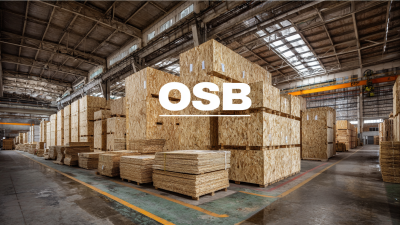
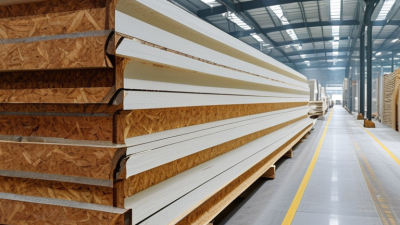
Oriented Strand Board (OSB) is an engineered wood product made from strands of wood. It is commonly used in construction, furniture, and packaging. According to industry reports, the global OSB market is projected to grow at a compound annual growth rate (CAGR) of 6.2% from 2021 to 2026. This growth indicates a rising demand for sustainable and versatile materials.
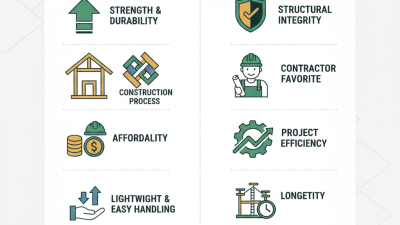
OSB’s applications are diverse. It serves as a key component in wall sheathing, flooring, and roofing systems. Builders appreciate its strength and adaptability. For instance, OSB offers excellent thermal insulation properties, making it a viable option for energy-efficient buildings. However, its susceptibility to moisture can pose challenges. Proper sealing and treatment are essential to mitigate risks during construction.
Market trends suggest that OSB is gaining popularity in various sectors, including green building. The increased focus on sustainable materials has led to innovations in OSB manufacturing. While this presents opportunities, supply chain issues and environmental concerns require attention. As buyers navigate the evolving landscape, they must consider both the benefits and the limitations of OSB. This reflection is vital for making informed decisions in a competitive global market.
Criteria for Selecting the Best OSB Suppliers in China
When selecting OSB suppliers in China, buyers should consider several key criteria. First, the supplier's production capacity is essential. A reliable supplier can meet large orders without compromising quality. Look for suppliers with modern facilities and sufficient labor force. This often translates to better consistency in production.
Quality certifications play a crucial role in supplier selection. Suppliers with recognized certifications demonstrate their commitment to quality and safety standards. These documents serve as proof of compliance with international regulations, ensuring that the products meet buyer expectations.
Another aspect to evaluate is customer service. Suppliers should offer clear communication channels and responsive support. It's beneficial to engage with references or previous clients to assess their experiences. Some suppliers may promise high quality but fail to deliver timely or accurate shipments. Hence, thorough research and inquiries are vital for informed decision-making.
Top 10 OSB Suppliers in China: Company Profiles and Highlights
China has established itself as a major player in the oriented strand board (OSB) market. The country's production capacity has grown significantly in recent years. Reports indicate that China's OSB production reached over 12 million cubic meters in 2022. This volume positions China as one of the largest OSB producers globally.
Leading suppliers in China focus on innovation and quality. Many invest in advanced technology to enhance their manufacturing processes. For instance, suppliers now utilize eco-friendly adhesives and sustainable raw materials. Such practices not only improve product quality but also appeal to environmentally conscious buyers. The challenge remains for some companies to balance growth with environmental impact.
Market analysis shows that demand for OSB is rising, especially in the Asia-Pacific region. As construction and renovation projects increase, the need for durable and affordable building materials becomes critical. Some suppliers are still learning to navigate this demand efficiently. Addressing supply chain issues and ensuring consistent quality are areas for future improvement. The OSB supply landscape in China continues to evolve as it adapts to global market needs.
Top 10 OSB Suppliers in China: Company Profiles and Highlights
| Rank |
Production Capacity (Cubic Meters/Year) |
Export Markets |
Certifications |
Sustainability Practices |
| 1 |
300,000 |
USA, Europe, Asia |
ISO 9001, CE |
FSC Certified, Energy Efficient Processes |
| 2 |
250,000 |
North America, Latin America |
ISO 14001, CARB |
Recycled Materials, Low Emission Production |
| 3 |
200,000 |
Europe, Australia |
FSC, PEFC |
Sustainable Sourcing, Waste Reduction Programs |
| 4 |
180,000 |
Asia, Middle East |
ISO 9001, CE |
Certified Wood, Green Production Practices |
| 5 |
150,000 |
Americas, Europe |
FSC, ISO 14001 |
Carbon Offset Programs, Renewable Energy Use |
| 6 |
120,000 |
Africa, Europe |
ISO 9001 |
Eco-Friendly Practices, Sustainable Forestry |
| 7 |
100,000 |
Asia, America |
CARB, CE |
Reforestation Projects, Energy Saving Measures |
| 8 |
90,000 |
Europe, Asia |
ISO 14001 |
Sustainable Operations, Waste Management Programs |
| 9 |
80,000 |
Africa, Southeast Asia |
FSC, ISO 9001 |
Community Engagement, Eco-Friendly Production |
| 10 |
70,000 |
Global |
CE, CARB |
Energy Reduce Initiatives, Sustainable Raw Materials |
Global Market Trends Affecting China’s OSB Export Industry
The global market is undergoing significant shifts, impacting China’s oriented strand board (OSB) export industry. Demand patterns have changed due to the post-pandemic recovery phase in many countries. Construction and renovation activities are on the rise, fueling the need for high-quality OSB. However, challenges remain as fluctuating raw material prices affect production costs. Buyers are becoming more selective, seeking reliable suppliers who can offer consistent quality amid these fluctuations.
China is known for its large OSB production capacity, yet competition from other countries has intensified. Environmental regulations are tightening globally, pushing manufacturers to adopt sustainable practices. This shift creates an opportunity for innovative suppliers to stand out. However, those who resist adapting to eco-friendly standards may face declining opportunities. The emphasis on sustainability is not just a trend but a requirement for long-term survival in the global market.
In navigating these challenges, Chinese OSB suppliers must focus on building strong partnerships. Transparent communication with international buyers can enhance trust. Understanding specific regional needs is crucial. The landscape is ever-evolving, and flexibility will be key to ensuring success. Suppliers who fail to innovate and respond to market demands risk being left behind.
Sourcing Strategies for International Buyers When Choosing Chinese Suppliers
When sourcing OSB from Chinese suppliers, international buyers should prioritize communication. Clear dialogue can help demystify the purchasing process. It's essential to express your specific needs upfront. This ensures that suppliers understand your expectations. Inadequate communication may lead to misunderstandings and suboptimal products.
Consider visiting suppliers or virtual tours to assess their capabilities. Observing production facilities can reveal the quality of machinery and craftsmanship. This firsthand insight is invaluable. Buyers must also verify the suppliers' certifications and quality control measures. Trust is built through transparency, which helps mitigate risks.
Pricing is often a concern but shouldn't be the only factor. Evaluate overall value instead. A lower price may indicate compromised quality. Be wary of deals that seem too good to be true. Forming partnerships with reliable suppliers often brings long-term benefits. Engage in direct dialogue to clarify terms and conditions. Building a trustworthy relationship encourages mutual growth.
Top 10 OSB Suppliers in China: Sourcing Strategies for Global Buyers