Top 10 China OSB Suppliers for Global Buyers in 2026?
The landscape of the global OSB (Oriented Strand Board) market is constantly evolving. As we approach 2026, understanding the key players among China OSB suppliers becomes increasingly vital for international buyers. China's OSB industry has grown rapidly, showcasing an impressive balance of quality and affordability. Many suppliers prioritize sustainable practices and innovative manufacturing techniques, reflecting the industry's shift towards eco-friendly solutions.
Each China OSB supplier offers unique features. Some suppliers focus on specific applications, while others cater to a wider audience. Potential buyers must evaluate not only the cost but also the reliability of these suppliers. It is essential to consider factors such as certification, production capacity, and customer service. The quest for quality may sometimes lead to challenges, as not every supplier meets high standards consistently.
As the demand for OSB increases globally, buyers must navigate an array of options. Establishing relationships with reputable China OSB suppliers can lead to long-term benefits. Yet, vigilance is needed to avoid potential pitfalls. Evaluating history and performance of suppliers is crucial in making informed decisions. This journey requires ongoing research and critical analysis of available choices in this competitive market.
Overview of Oriented Strand Board (OSB) and its Global Demand
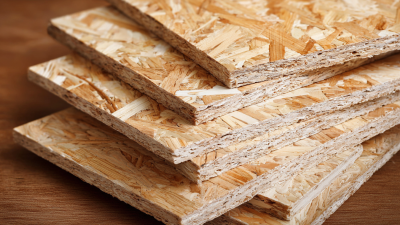
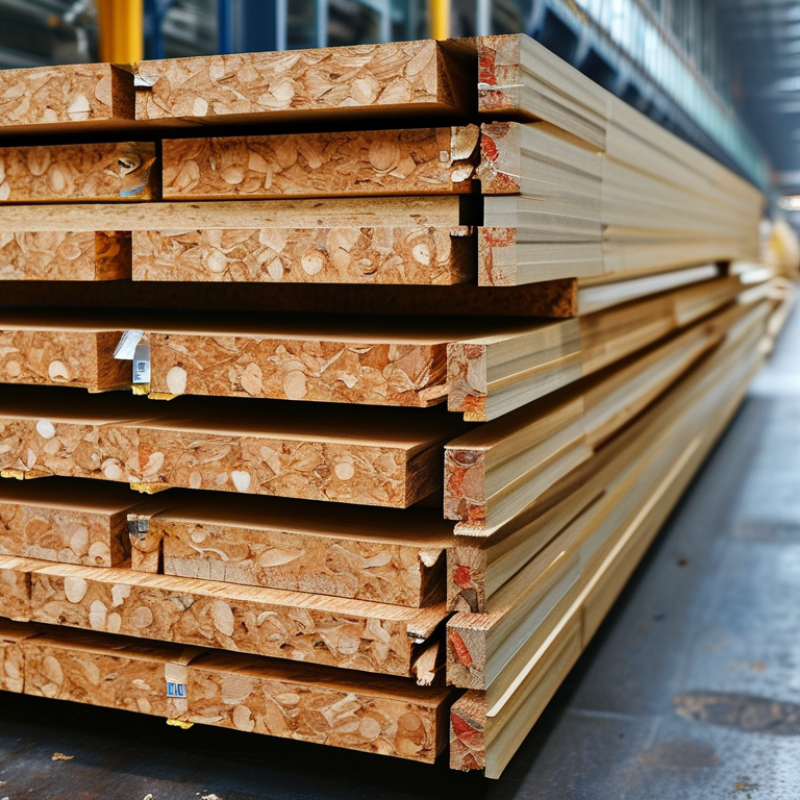
Oriented Strand Board (OSB) has gained substantial traction in the global market. As a versatile engineered wood product, it is primarily made from strands of wood. These strands are glued together under heat and pressure, resulting in a strong, durable board that is widely used in construction. The demand for OSB continues to rise, driven by the booming construction industry and the need for sustainable building materials.
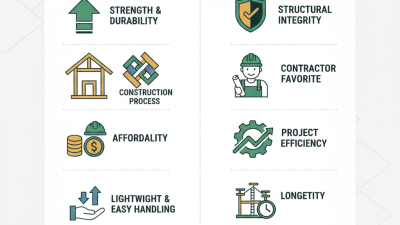
The construction landscape is evolving. OSB is favored for its cost-effectiveness and environmental benefits. It is lightweight yet sturdy, making it an appealing option for many builders. However, the industry faces challenges. Quality control remains a concern, as not all manufacturers adhere to strict standards. Inconsistent quality can lead to issues in projects, reflecting the importance of choosing reliable suppliers.
Additionally, the global supply chain is under pressure. Factors like raw material availability and transportation costs affect OSB prices. Buyers need to be aware of these fluctuations. Sustainability practices are becoming increasingly vital. More companies are seeking to reduce their carbon footprint, prompting a shift towards eco-friendly production methods. This ongoing transformation emphasizes the need for continuous improvement and adaptation within the OSB sector.
Significant Factors Driving OSB Supply in China by 2026
China's oriented strand board (OSB) market is set for significant growth by 2026. Driven by increasing demand in construction and furniture sectors, the OSB supply chains are rapidly evolving. According to a 2023 industry report, China's OSB production is expected to reach 60 million cubic meters by 2026, supported by advancements in manufacturing processes. This growth reflects China's focus on sustainable practices, with more manufacturers adopting eco-friendly materials.
Demand for OSB in Asia-Pacific is on the rise, particularly in emerging economies. The Economic Research Institute estimated a 12% growth rate in OSB consumption for the region in the next three years. This trend indicates not only a higher demand for construction materials but also a shift towards more sustainable and versatile products. However, the challenges of raw material sourcing and fluctuating timber prices could impact the supply chain. Buyers should consider these factors when exploring partnerships in China.
Manufacturers are also facing rising compliance standards. Ensuring product quality and adhering to environmental regulations require constant innovation. Reports indicate that about 20% of suppliers struggle to keep up with these evolving standards. For global buyers, understanding the complexities of the market is crucial. This includes navigating quality control processes and recognizing the implications of sustainability in sourcing decisions.
Criteria for Evaluating the Top OSB Suppliers in China
When evaluating the top OSB suppliers in China, several criteria should be prioritized. Quality is fundamental; products must meet international standards. According to the Wood-Based Panels International Journal, around 70% of OSB buyers prioritize product durability and environmental impact. Certifications like ISO and E1 emissions standards can indicate reliability.
Pricing structures need careful examination. Suppliers often provide varying pricing based on orders and logistics. Reports suggest that average costs have fluctuated by 5-10% annually, affecting global trade decisions. Transparency in pricing can foster trust. Buyers should request detailed quotes to avoid hidden costs.
Tips: Always verify supplier background. Industry ratings and client testimonials can reveal reliability levels. Consider visiting factories for firsthand assessments; this can uncover operational strengths and weaknesses. Ensure sustainability practices align with your values, emphasizing the importance of eco-friendly sourcing.
Top 10 China OSB Suppliers for Global Buyers in 2026
Profiles of Leading Chinese OSB Manufacturers and Their Offerings
As the demand for oriented strand board (OSB) continues to rise globally, several Chinese manufacturers stand out for their quality and innovation. These companies are leveraging advanced production techniques to meet international standards. They prioritize sustainability by sourcing wood from responsibly managed forests. This focus on environmental stewardship enhances their reputation among global buyers.
One notable characteristic of these leading OSB suppliers is their commitment to quality control. They employ rigorous testing methods to ensure durability and performance. However, not all manufacturers maintain this level of scrutiny. Buyers should be cautious and conduct thorough evaluations of suppliers before engaging in business. Reviews and certifications can provide insight into production practices and product reliability.
Another aspect worth noting is the diversification of offerings. Many of these manufacturers provide customized solutions to meet specific customer needs. Some focus on innovative designs, while others emphasize cost efficiency. While variety is beneficial, it can also lead to confusion in product selection. Buyers must carefully assess their requirements and seek expert advice to navigate this complex market landscape.
Future Trends and Innovations in China’s OSB Industry
The OSB industry in China is on the brink of significant transformation. With innovations emerging, suppliers are increasingly focused on sustainability. The drive towards eco-friendly production methods is reshaping the landscape. In 2026, buyers can expect OSB products made from recycled materials. This shift will cater to the growing demand for green building materials.
Tips: Consider sourcing OSB products that emphasize sustainability. Recycled content not only reduces waste but also aligns with global environmental goals.
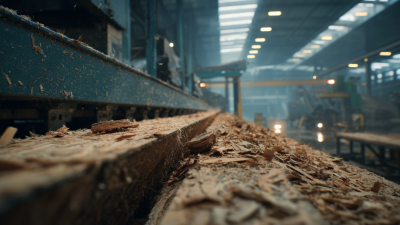
Automation and technology are also revolutionizing the OSB manufacturing process. Advanced machinery improves efficiency and product quality. Suppliers are investing in smart production systems, which minimize human error. These technological advancements lead to higher precision and consistency in OSB products.
Tips: Look for suppliers who invest in technology. High-tech facilities often produce superior products and can respond quickly to market demands.
Despite these advancements, challenges remain. Suppliers must navigate fluctuating raw material costs and changing regulations. Adapting to market needs is crucial for maintaining competitiveness. As the industry evolves, staying informed will benefit buyers immensely.