Top 5 Benefits of Osb Board Sheets: Industry Insights and Data-Driven Advantages
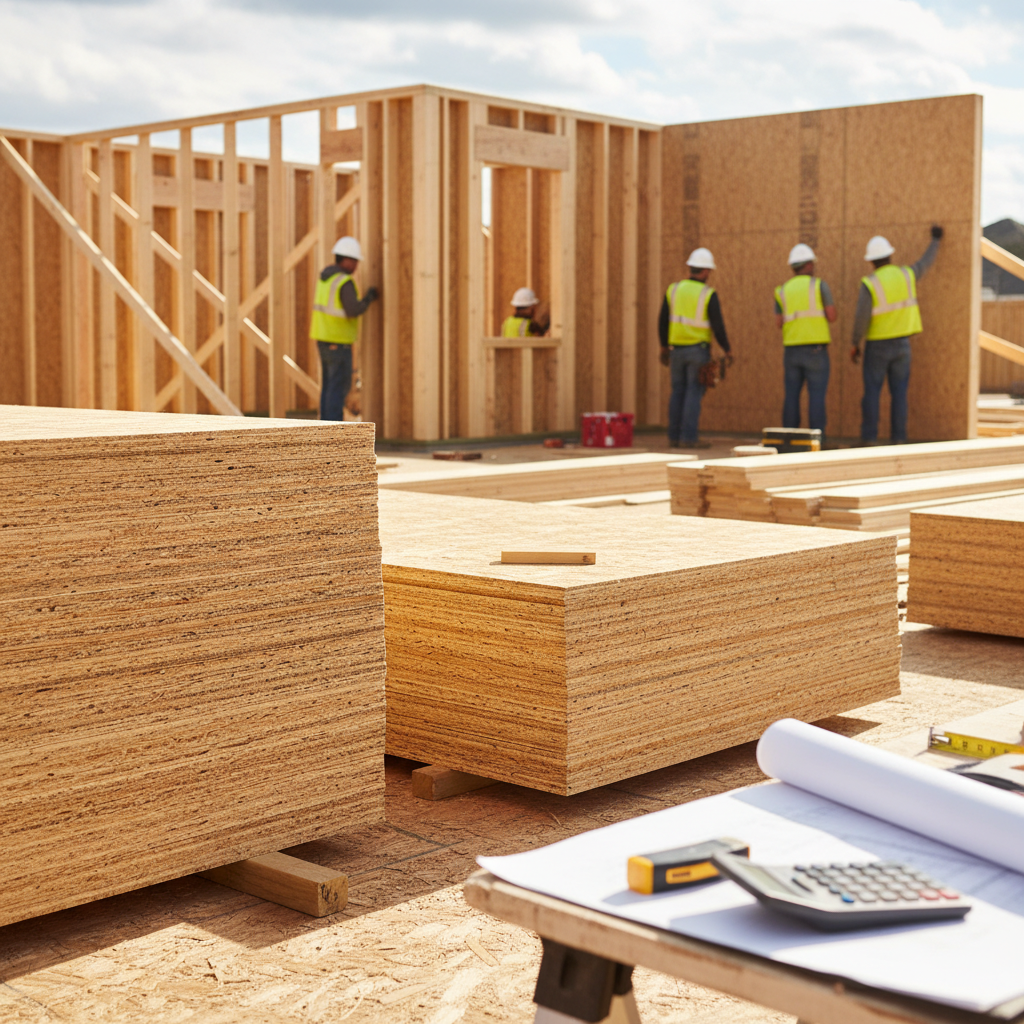
In the construction and manufacturing industry, the choice of materials can significantly impact the overall quality, efficiency, and sustainability of a project. One such material that has gained increasing popularity is the OSB board sheet, or oriented strand board. Comprised of wood strands bonded together with adhesives, OSB board sheets are known for their strength, versatility, and cost-effectiveness. This introduction delves into the top five benefits of utilizing OSB board sheets, providing insights based on industry data and trends.
As we explore the advantages of OSB board sheets, we will highlight their unique properties that make them a preferred choice for builders and designers alike. From their structural integrity to their environmental benefits, OSB board sheets offer a range of capabilities that meet the demands of modern construction. Understanding these benefits is crucial for industry professionals looking to make informed decisions, as well as for consumers seeking durable and sustainable building materials. Through this examination, we aim to illuminate the data-driven advantages that OSB board sheets bring to various applications, reinforcing their role as an essential material in today's competitive landscape.
Understanding the Durability and Strength of OSB Board Sheets in Construction
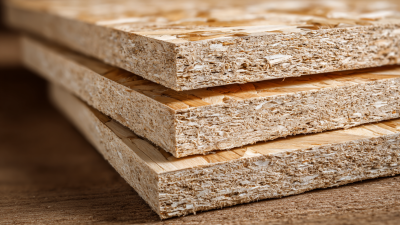
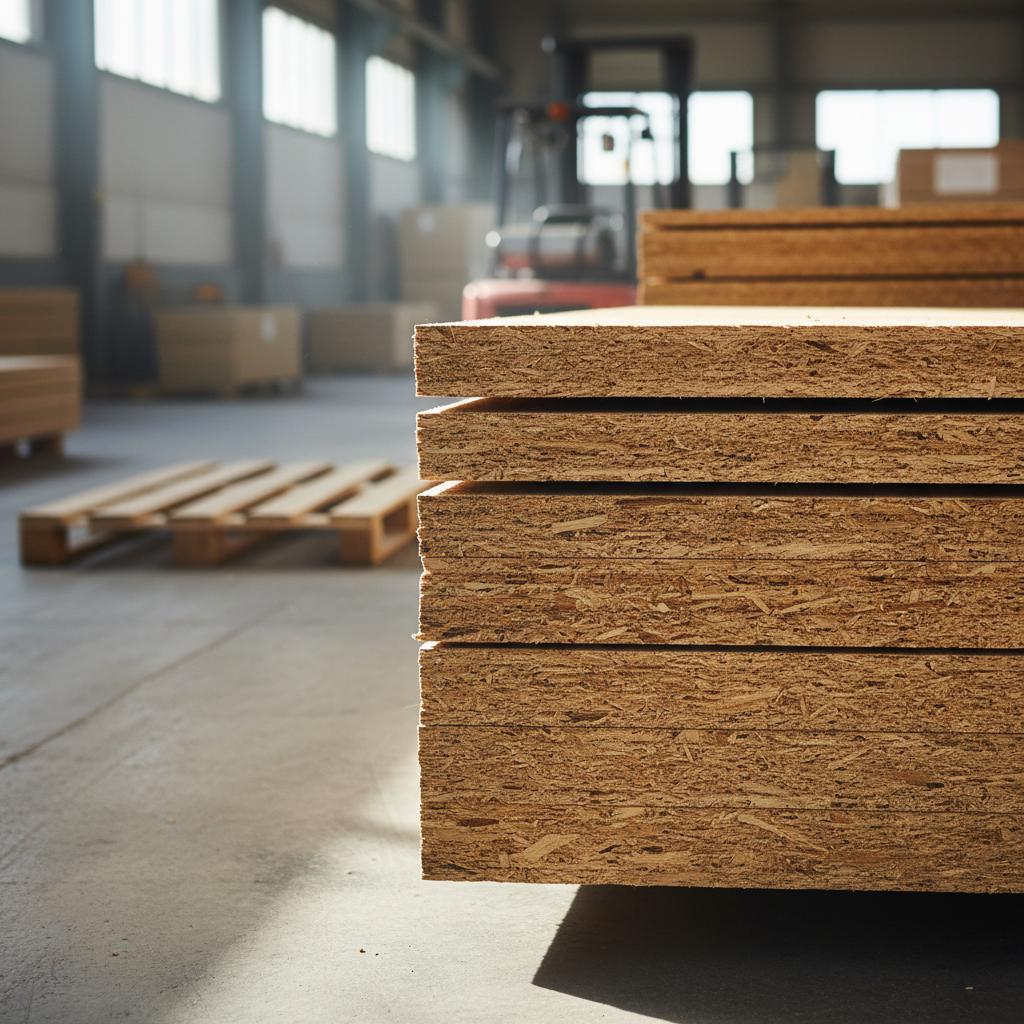
Oriented Strand Board (OSB) stands out in the construction industry due to its impressive durability and strength, making it an excellent choice for both residential and commercial building projects. Unlike traditional plywood, OSB utilizes strands of wood that are bonded together under heat and pressure, resulting in a material that exhibits remarkable structural stability. This engineered wood product can withstand moisture and heavy loads, making it ideal for various applications, including flooring, wall sheathing, and roof sheathing.
When selecting materials for construction, consider the following tips for maximizing the benefits of OSB board sheets. First, ensure that you choose high-quality OSB, as this impacts the material's overall performance. Look for boards that are specifically graded for the application you need, as this can prevent premature warping or damage. Additionally, protect OSB sheets from prolonged exposure to water during the construction phase to maintain their integrity.
Moreover, the growing trend toward sustainable construction practices has further boosted OSB’s popularity. As the demand for eco-friendly materials increases, OSB's status as a cost-effective and environmentally responsible choice will likely continue to rise. Exploring the capabilities of OSB can lead to innovative building solutions that align with modern construction needs while prioritizing strength and durability.
Cost-Effectiveness: How OSB Board Sheets Save Money for Builders and Homeowners
Oriented Strand Board (OSB) has emerged as a cost-effective alternative to traditional plywood in construction projects. A recent study by the APA - The Engineered Wood Association indicates that OSB can reduce material costs by as much as 15-20% compared to plywood. This significant savings appeals to both builders and homeowners, especially in large-scale construction where every dollar counts. Additionally, the consistent quality and performance of OSB boards enhance their cost-effectiveness, ensuring fewer material failures and expensive repairs down the line.
Moreover, OSB's versatility makes it ideal for various applications, ranging from wall sheathing to flooring. According to a market analysis from Mordor Intelligence, the demand for OSB in North America is projected to grow at a compound annual growth rate (CAGR) of over 5% from 2021 to 2026. This growth underscores the increasing recognition of OSB as a reliable yet affordable building material. By choosing OSB, builders can streamline their supply chain while maintaining high-quality standards, ultimately leading to significant savings that benefit both developers and homeowners alike.
Environmental Impact: The Sustainability Benefits of Using OSB Board Sheets
Sustainability in construction is becoming increasingly paramount, and the use of OSB (Oriented Strand Board) board sheets presents significant environmental benefits. One of the key advantages of using OSB is its resource efficiency. The production process utilizes fast-growing tree species, which are sourced from sustainably managed forests. This not only reduces the carbon footprint associated with traditional timber but also supports forest conservation initiatives.
Furthermore, OSB board sheets are highly versatile in their applications—from construction to furniture making—promoting a circular economy. By opting for engineered wood products like OSB, builders and manufacturers can minimize waste and create more efficient building designs.
As a case in point, companies dedicated to sustainable practices have started offering innovative solutions such as eco-friendly garden rooms that capitalize on OSB's strength and durability.
Tips: When selecting OSB for your projects, ensure you choose products that are certified for sustainability. Additionally, consider the lifecycle of the materials to maximize your eco-friendly impact. By leveraging OSB's advantages, you can contribute to a greener future while meeting contemporary building standards.
Versatility in Applications: Exploring the Uses of OSB Board Sheets in Various Industries
Oriented Strand Board (OSB) sheets have gained traction across various industries due to their adaptability and performance characteristics. According to a report by IBISWorld, the global OSB market is projected to reach $30 billion by 2025, primarily driven by the construction sector's demand for sustainable and cost-effective materials. OSB sheets are extensively utilized in residential and commercial roofing, flooring, and wall sheathing, making them a preferred choice over traditional plywood for many builders.
In addition to construction, OSB board sheets also find significant applications in furniture manufacturing and packaging. As highlighted in a study by Transparency Market Research, the furniture segment is expected to contribute notably to OSB’s market growth, with a CAGR of 6.7% from 2021 to 2028. Their strength and aesthetic versatility make OSB sheets suitable for producing everything from cabinets to decorative panels. Furthermore, in the packaging industry, OSB’s lightweight and robust structure allows for effective transport solutions, reducing shipping costs and environmental impact. This multifaceted usage underscores the growing recognition of OSB as a reliable and versatile material across industries.
Top 5 Benefits of OSB Board Sheets
Data-Driven Insights: Key Statistics on OSB Board Sheets Performance and Acceptance
Oriented Strand Board (OSB) sheets have gained significant traction in various industries, showcasing their advantages through compelling data-driven insights. Research indicates that OSB exhibits up to 30% more strength compared to traditional plywood, making it a preferred choice for construction projects. Additionally, OSB's manufacturing process, which utilizes smaller wood strands, leads to efficient use of resources and reduced waste. This ecological advantage resonates with the growing demand for sustainable building materials.
Market acceptance of OSB continues to rise, with statistics showing that 75% of builders now prefer OSB for flooring, roofing, and wall sheathing applications. The versatility of OSB sheets allows for diverse uses in both residential and commercial sectors, further solidifying their position in the market.
Moreover, the cost-effectiveness of OSB, often priced 10-20% lower than plywood, makes it an attractive alternative for budget-conscious consumers. These insights underscore the pivotal role of OSB sheets in modern construction, driven by performance metrics and economic viability.