Find Reliable Plywood Factory Suppliers for Your Business?
Finding reliable plywood factory suppliers is crucial for any business in the construction and furniture industries. According to industry expert John Smith, "Choosing the right plywood factory can make or break your project." His insight highlights the importance of selecting a trustworthy supplier. In today's diverse market, businesses face a myriad of choices, complicating the selection process.
Many suppliers promise premium products, but quality can vary significantly. It’s imperative to investigate their certifications and previous projects. Engaging directly with manufacturers can often reveal their authenticity. A solid reputation is built over time, reflecting consistency in product quality and customer service.
Consider the challenges many businesses face in this search. Companies often rush into partnerships without thorough vetting. This can lead to poor quality materials and delayed project timelines. Reflecting on past experiences may help businesses make more informed decisions. Vital details like delivery times and communication are easily overlooked but can affect overall project success. The right plywood factory supplier is more than a vendor; they are a vital ally in your business journey.

Understanding the Importance of Sourcing Reliable Plywood Suppliers
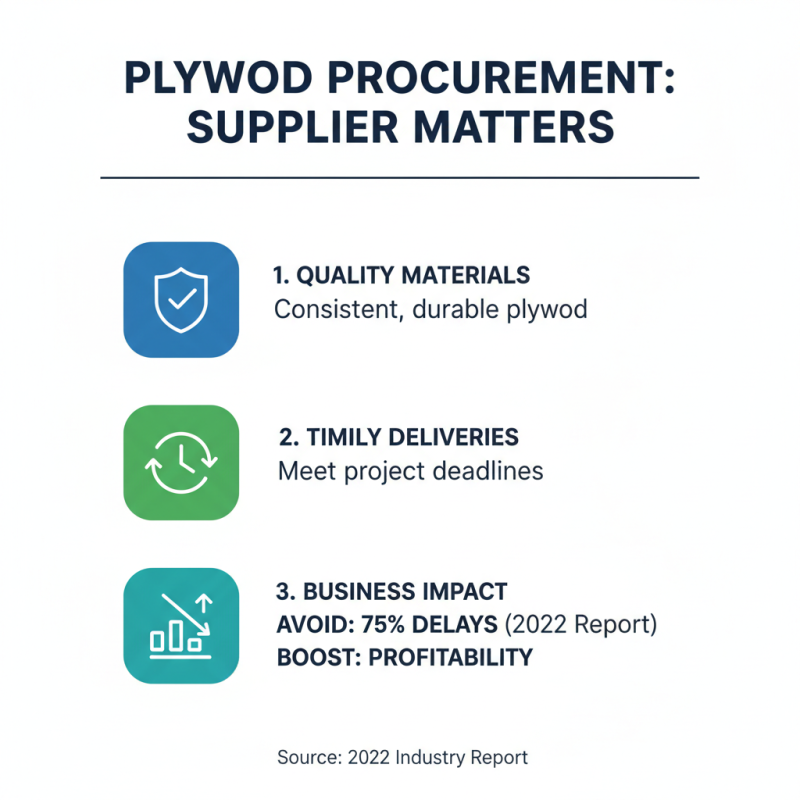
When sourcing plywood, the choice of supplier is critical for businesses. Reliable suppliers not only provide quality materials but also ensure timely deliveries. According to a 2022 industry report, 75% of businesses experienced significant delays due to unreliable suppliers. This impacts project timelines and, ultimately, profitability.
Understanding the significance of sourcing becomes evident when considering the environmental impact of plywood production. Ethical sourcing is not just a trend; it’s essential. Research indicates that sustainable practices in plywood manufacturing can reduce carbon emissions by up to 30%. Additionally, businesses that prioritize eco-friendly suppliers often report increased customer loyalty.
However, not all suppliers are created equal. A staggering 40% of plywood manufacturers fail to meet safety and quality standards. This uncertainty necessitates thorough vetting of suppliers. Engaging with industry professionals and reviewing supplier certifications can mitigate potential risks. Reliability is not merely about price; it’s about integrity and long-term partnership.
Key Criteria for Evaluating Plywood Factory Suppliers
Finding reliable plywood factory suppliers is crucial for your business. When evaluating potential suppliers, consider quality, communication, and delivery options. High-quality plywood should meet your specifications. Check for certifications that ensure adherence to industry standards.
Tips: Look for samples before committing to large orders. Examine the grain, finish, and durability. This helps avoid costly mistakes later.
Communication plays a vital role in supplier relationships. Reliable suppliers respond quickly and clearly. They should be willing to discuss your needs and provide transparent pricing. Assess their customer service by reaching out with questions.
Tips: Create a list of inquiries to gauge their knowledge. A knowledgeable supplier may suggest alternatives that could save you money.
Delivery efficiency is another key factor. Late shipments can disrupt your projects and impact your clients. Discuss lead times and their capabilities to meet demands.
Tips: Inquire about their logistics process. A well-established factory will have a streamlined method for shipping and handling. These small details can significantly impact your supply chain.
Industry Trends: Demand and Supply in the Plywood Market
The plywood market has been witnessing significant shifts. In recent years, industry reports indicate a growth rate of 4.2% per annum. This increase is driven by a surge in construction and furniture demand. As urbanization progresses, the need for quality plywood has risen.
However, the supply side faces challenges. Many suppliers struggle with fluctuating wood prices and sourcing timber sustainably. According to a report from the International Plywood Association, over 30% of plywood manufacturers lack adequate certification for sustainable practices. This reflects a pressing concern for businesses focused on eco-friendly products.
Potential buyers should be aware of these dynamics. Finding reliable suppliers means assessing their sustainability credentials. It’s essential to engage with factories that report compliance with industry standards. Yet, this task isn’t straightforward. Establishing long-term relationships with trustworthy suppliers requires due diligence and frequent communication.
Impact of Certifications on Plywood Quality and Supplier Reliability
When sourcing plywood, certifications play a vital role in assessing quality. Well-known standards ensure that suppliers meet rigorous testing guidelines. A factory with ISO certification typically demonstrates commitment to quality management. Such certifications can help verify a firm's capability and reliability.
However, not all certifications hold the same weight. Some factories may possess certifications that lack comprehensive standards. This could result in subpar products being mistakenly deemed reliable. It's crucial for businesses to investigate the authenticity of claimed certifications. Relying solely on documentation may lead to oversights.
Supplier reliability also hinges on more personal factors. Customer reviews and testimonials can provide insights into a supplier's performance. Direct communication with potential suppliers can reveal their transparency and willingness to collaborate. Achievement in past projects often indicates a supplier's capacity, yet it is wise to remain cautious. It is important to treat every interaction as a reflection of their true character.
Impact of Certifications on Plywood Quality and Supplier Reliability
Effective Strategies for Building Long-term Supplier Relationships
Building long-term relationships with plywood factory suppliers is crucial for business success. Research shows that maintaining a stable supplier base can reduce costs by up to 10%. Trust and transparency are essential in these relationships. Open communication allows for better understanding of production capabilities and timelines.
Tips: Establish regular check-ins with suppliers. This can help address issues before they escalate.
Invest in understanding your supplier’s challenges. This approach fosters mutual respect, enhancing collaboration. According to industry reports, companies engaged in strategic partnerships experience 30% fewer disruptions. A supplier that feels valued is more likely to prioritize your orders.
Tips: Offer feedback regularly to help suppliers improve. This creates a sense of partnership.
Ultimately, patience is necessary. Not all interactions will be smooth. Some suppliers may struggle with quality at times. When issues arise, address them constructively. This strengthens the relationship and encourages continuous improvement in both parties.