What is OSB Board Sheet and How is it Used?
The OSB board sheet has gained popularity in construction and woodworking. This engineered wood product consists of thin strands of wood, oriented in specific directions and bonded together. As a versatile material, it offers strength and durability in various applications.
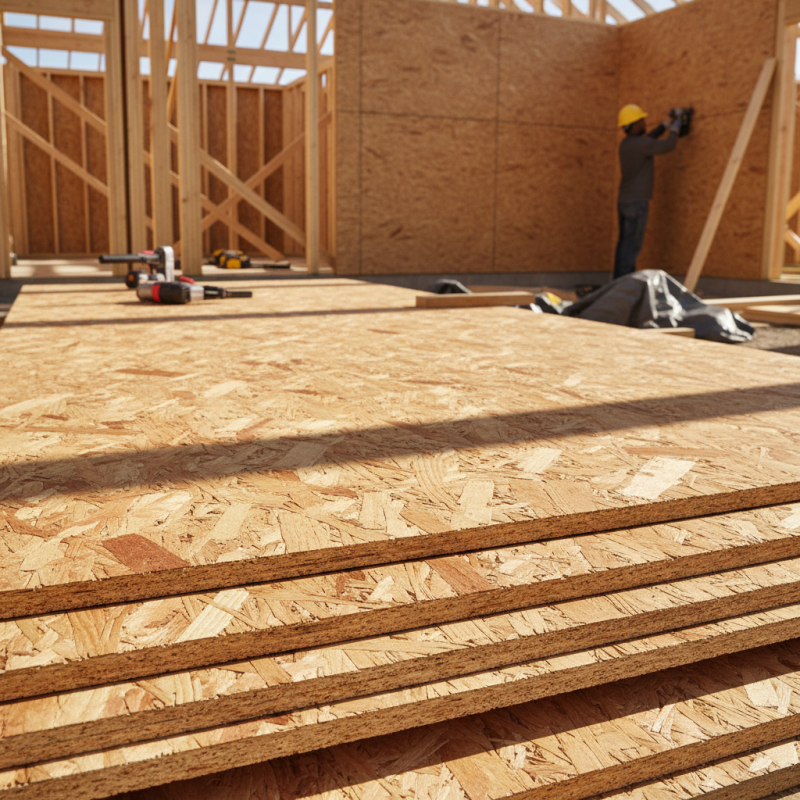
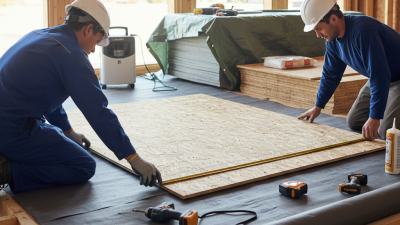
Used primarily for structural purposes, the OSB board sheet serves as sheathing for walls, roofs, and floors. Its affordability makes it a preferred option among builders. However, it does require proper sealing to protect against moisture. Creating a balance between durability and cost can be a challenge.
The OSB board sheet's environmental impact deserves attention. Although made from renewable resources, the production process can be energy-intensive. Finding ways to lessen this impact is crucial for sustainability. Overall, understanding the benefits and drawbacks of OSB board sheets helps users make informed decisions about their projects.
What is OSB Board Sheet: Definition and Composition
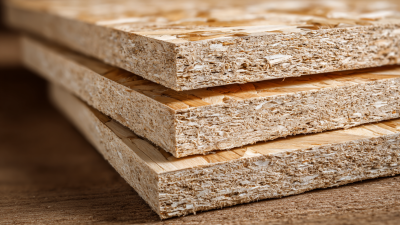
OSB board sheet, or oriented strand board, is a versatile engineered wood product. It consists of strands of wood that are oriented in specific directions. These strands are bonded together with adhesives under heat and pressure. This process creates a strong, durable panel suitable for various applications.
One key component of OSB is the type of wood used. Commonly, it includes wood from fast-growing trees. This choice promotes sustainability but may not always yield the highest quality. Understanding the source and composition is important for effective use.
Tips: When using OSB, always check for moisture content. High moisture can weaken the board over time. Additionally, consider the specific needs of your project. Is structural integrity vital, or is aesthetics more important? Make thoughtful decisions about the thickness and finish of the boards you choose.
OSB board has applications in construction and furniture-making. It is commonly used for wall sheathing, roof decking, and flooring. However, some OSB boards have a rough surface. This texture may not be ideal for all projects. Always evaluate your options based on your project needs.
Types of OSB Board Sheets and Their Applications
OSB (Oriented Strand Board) is a versatile engineered wood product. It consists of layers of wood strands oriented in specific directions for strength. This construction allows for various applications across different industries.
There are several types of OSB board sheets, each serving unique purposes. For example, OSB/1 is often used in interior applications, offering a cost-effective solution for furniture and decorative uses. Meanwhile, OSB/2 is recommended for load-bearing applications. It can withstand stress, making it suitable for flooring and wall sheathing. With a moisture resistance rating, OSB/3 is preferred for structural uses in humid environments, like roof and floor sheathing.
According to recent industry reports, OSB demand in construction has grown significantly. The North American market alone is projected to reach approximately $11.5 million cubic meters by 2025. However, not all OSB grades meet every need. Users must be cautious about selecting the correct type for their specific requirements. Misapplication can lead to structural issues or increased material costs. Understanding these distinctions is crucial for any construction project.
Manufacturing Process of OSB Boards
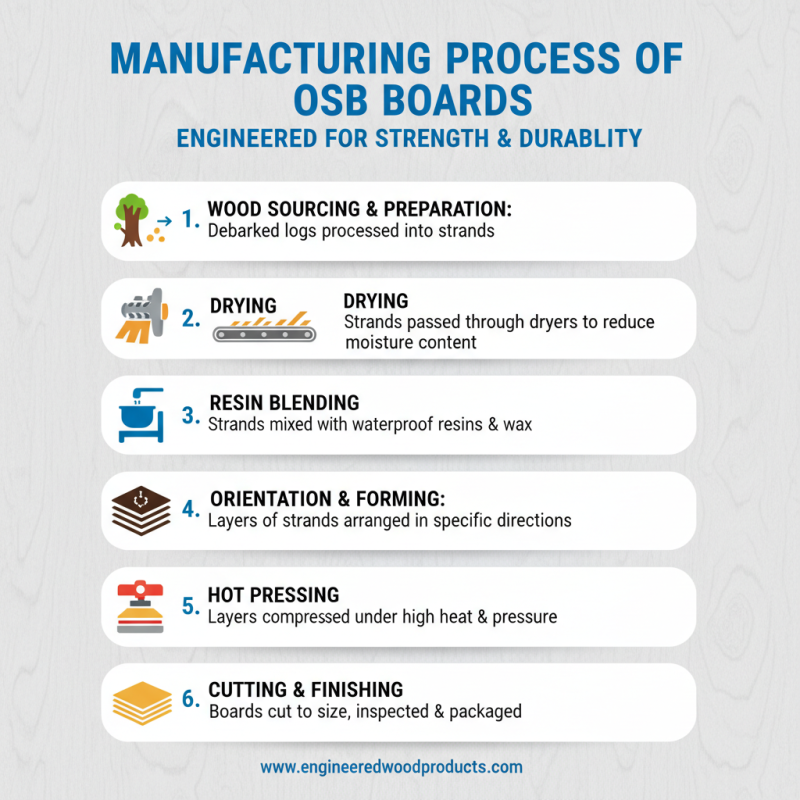
OSB (Oriented Strand Board) is a popular engineered wood product. It is commonly used in construction and furniture making. The manufacturing process of OSB boards involves several key steps that ensure their strength and durability.
The first step in manufacturing OSB involves sourcing wood strands. Timber is cut into thin strands of varying lengths. These strands are then dried to reduce moisture content. This step is critical; too much moisture can compromise the board's strength. After drying, they are oriented in specific directions to enhance their structural integrity.
Next, adhesive is applied to the strands. This adhesive bonds the strands together under high pressure. It is interesting to note that the type of adhesive can influence both the performance and environmental impact of the finished product. Finally, the boards are cured in a hot press, where heat and pressure create a solid, uniform panel.
**Tips:** When considering OSB for projects, think about moisture exposure. Ensure that the OSB is treated if used in high-humidity areas. Choosing the right thickness is also essential for the intended application.
Sometimes, imperfections in the manufacturing process can lead to variations in strength. These inconsistencies can affect the performance of the final product. It’s important to inspect the boards carefully before use. Understanding these factors can aid in making more informed decisions for your project.
Advantages and Disadvantages of Using OSB Board Sheets
OSB (Oriented Strand Board) is widely used in construction. It consists of large wood strands oriented in specific directions. While it has many benefits, there are notable drawbacks to consider.
One key advantage of OSB is its cost-effectiveness. According to a report from the Forest Products Laboratory, OSB can be up to 25% cheaper than plywood. This makes it appealing for budget-conscious builders. Additionally, OSB offers good structural strength and performance. It performs well in load-bearing applications, making it suitable for floors and walls.
However, OSB does have disadvantages. Its moisture resistance is often criticized. When exposed to water, it can swell, leading to structural issues. A study from the American Wood Council highlighted that untreated OSB may not withstand high humidity over time. This can cause long-term damage, which can be costly to repair. Furthermore, OSB's manufacturing process may raise concerns regarding environmental impact. The reliance on wood strands means that sourcing practices can affect forest sustainability.
In conclusion, while OSB boards present an affordable option for many projects, their limitations require careful consideration. Builders must weigh immediate savings against potential long-term issues. Evaluating these factors critically is essential for responsible construction choices.
What is OSB Board Sheet and How is it Used? - Advantages and Disadvantages of Using OSB Board Sheets
| Dimension |
Description |
Advantages |
Disadvantages |
| Material Composition |
Made from wood strands, oriented in specific directions and bonded with adhesives. |
Environmentally friendly, as it uses smaller wood pieces and can be made from recycled material. |
Susceptible to moisture damage if not properly sealed. |
| Common Uses |
Used in construction for wall sheathing, flooring, and roofing. |
Cost-effective compared to plywood and other alternatives. |
Not as aesthetically pleasing as plywood or solid wood. |
| Strength |
Offers good structural support under various loads. |
High strength-to-weight ratio makes it easier to handle. |
Can sometimes lack the rigidity needed for specific applications. |
| Cost |
Generally cheaper than plywood and solid wood, making it a budget-friendly option. |
Reduces overall building costs significantly. |
May have higher long-term repair costs due to potential degradation from moisture. |
Common Uses of OSB in Construction and Furnishing
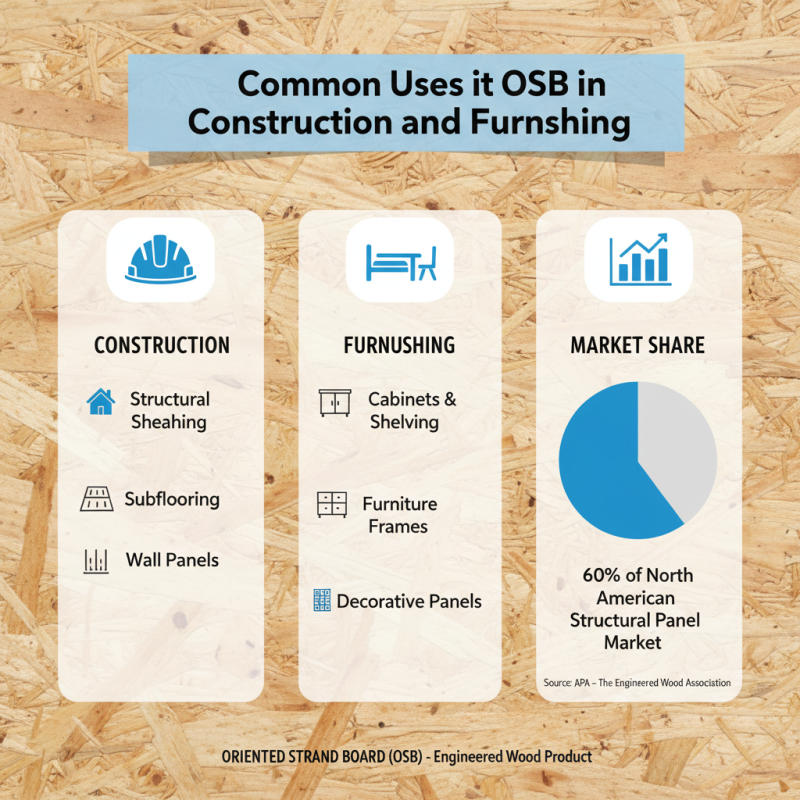
OSB, or oriented strand board, is a popular choice in construction and furnishing. This engineered wood product consists of strands of wood that are oriented in specific directions. It is commonly used for structural sheathing, subflooring, and wall panels. According to the APA – The Engineered Wood Association, OSB accounts for approximately 60% of the total structural panel market in North America.
In construction, OSB is prized for its strength and affordability. It is often used in homes as an alternative to plywood. OSB panels are versatile, making them suitable for various applications. Builders appreciate its ease of installation. However, OSB is not waterproof. Poor sealing can lead to swelling and degradation. This vulnerability is a point of concern for many contractors. Reports indicate that maintaining OSB quality requires diligent weatherproofing.
Regarding furnishing, OSB is gaining traction in interior design. Its unique texture and aesthetic appeal have made it popular for furniture and decorative elements. Designers use OSB for shelves, tables, and even accent walls. Its sustainable nature appeals to eco-conscious consumers. However, the rough surface may not suit everyone’s taste. Some may find it too coarse for fine furniture. Overall, OSB’s growing presence in various fields highlights both its potential and limitations.