What is Osb Board Sheet and How is it Used in Construction?
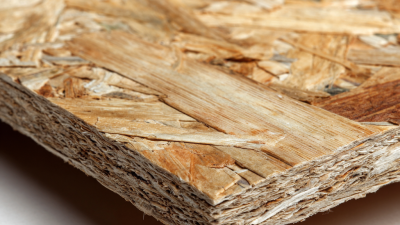
In the world of construction, the Osb Board Sheet has gained significant recognition. This engineered wood product is made from oriented strands of wood, bonded together with adhesives. Its robust design provides strength and durability, making it a popular choice for various applications.
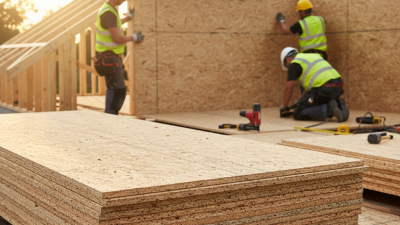
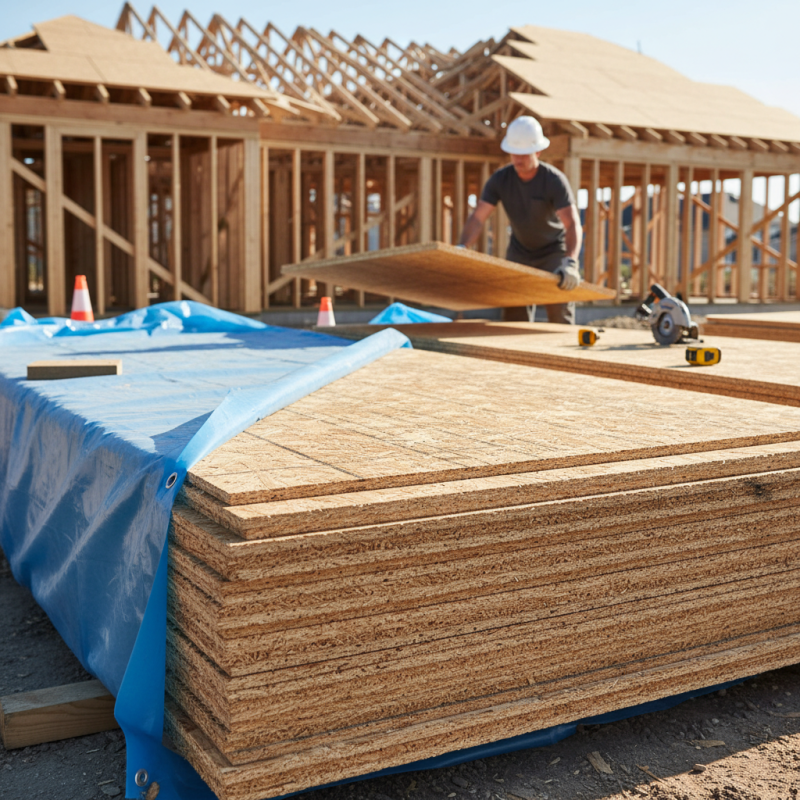
Contractors often use Osb Board Sheets for wall sheathing, flooring, and roof decking. They appreciate its lightweight nature, which simplifies handling and installation. However, it is essential to note that exposure to moisture can compromise its integrity. Builders must apply appropriate coatings to mitigate this risk.
The versatility of Osb Board Sheets cannot be overlooked. Many designers and architects incorporate it into modern constructions, balancing functionality with aesthetics. While it offers many benefits, understanding its limitations is crucial. Awareness of factors like moisture resistance can lead to better decision-making in construction projects.
What is OSB Board Sheet: Definition and Composition
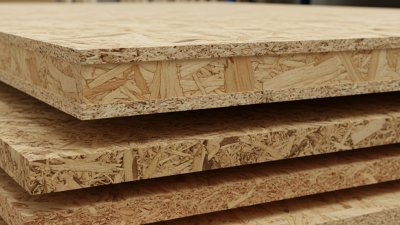
OSB board, or oriented strand board, is a popular engineered wood product used in construction. It consists of large wood strands, flakes, or shavings that are bonded together with resin and pressed into sheets. This process creates a material that is strong, durable, and resistant to warping. The composition typically includes a mix of both softwood and hardwood fibers, which contributes to its structural integrity.
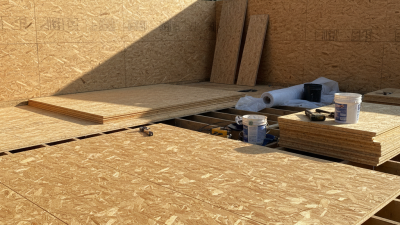
When using OSB board, builders appreciate its versatility. It can be used for floor sheathing, wall sheathing, and roof decking. Due to its solid performance under stress, it is often chosen for both residential and commercial projects. However, moisture can be an issue. OSB is less resistant to water compared to plywood, which can lead to swelling and reduced durability over time.
Tips: Always ensure that OSB is properly sealed when exposed to moisture. Consider using a moisture barrier to protect it. Ventilation in storage areas is key to preserving its quality. Always check for signs of damage before installation, as weaknesses can compromise the entire structure.
The Manufacturing Process of OSB Board Sheets
The manufacturing process of OSB board sheets involves several key steps. First, large logs are debarked and chipped into smaller pieces. These wood chips are then dried to remove excess moisture. Proper moisture content is crucial for the bonding process. If the chips are too wet, the final product may not be as strong.
Next, the dried wood chips are oriented similarly, which is a defining feature of OSB. This orientation enhances the board's strength. Adhesive is applied to the chips, allowing them to bond together under high pressure and temperature. The pressing phase is critical. Improper temperature or pressure can lead to weak spots in the board.
After pressing, the sheets are cut to size and cooled. Quality checks are performed to ensure they meet industry standards. The process can have flaws. Uneven distribution of adhesive or errors in chip orientation can compromise structural integrity. Continuous monitoring is essential in maintaining the quality of OSB boards. Every step matters in creating a reliable material for construction.
Common Applications of OSB Board in Construction
OSB (Oriented Strand Board) is a popular choice in the construction industry. Its unique composition makes it ideal for various applications. Builders often use OSB for wall sheathing, roofing, and flooring. The material is engineered from wood strands, offering strength and durability.
In wall construction, OSB sheets provide structural support. They help resist wind and shear forces, making buildings safer. For roofs, OSB is lightweight yet sturdy, allowing for easy installation. It can withstand moisture and temperature shifts, essential for structural integrity. Many contractors find OSB installation straightforward, which accelerates project timelines.
However, OSB is not without its challenges. It can absorb moisture, leading to potential swelling or deformation. Proper sealing and ventilation are crucial to avoid these issues. Builders must be aware of these drawbacks when choosing materials. Careful planning and execution can mitigate risks associated with using OSB.
What is Osb Board Sheet and How is it Used in Construction? - Common Applications of OSB Board in Construction
| Application Area |
Description |
Benefits |
| Structural Panels |
Used in walls, roofs, and floors for structural support. |
High strength-to-weight ratio, cost-effective, and easy to handle. |
| Sheathing |
Provides a base for siding and roofing materials. |
Improves energy efficiency, moisture resistance, and creates a stable substrate. |
| Formwork |
Used in concrete construction to mold and support concrete until it sets. |
Durable, reusable, and provides smooth surfaces for concrete finishes. |
| Furniture Production |
Utilized in the manufacturing of furniture such as cabinets and tabletops. |
Cost-effective alternative to plywood, versatile in design. |
| Temporary Structures |
Used for constructing temporary buildings like site offices and storage sheds. |
Lightweight and easy to assemble, making it ideal for quick setups. |
Advantages of Using OSB Board Sheets in Building Projects
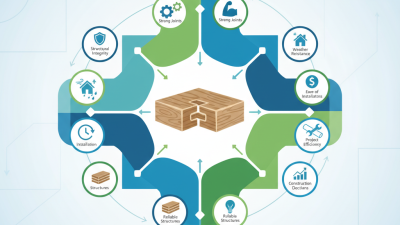
OSB board sheets have become a popular choice in construction due to their numerous advantages. They are made from wood strands that are oriented in specific directions, which enhances their strength and durability. One significant benefit is their cost-effectiveness; studies show that OSB can be less expensive by up to 20% compared to plywood, making it an attractive option for builders. In addition, they offer excellent structural integrity, with a higher shear strength, which enhances stability in framing applications.
Moreover, OSB sheets are environmentally friendly. According to a report from the Forest Products Laboratory, OSB uses fast-growing trees and utilizes nearly 100% of the raw material, minimizing waste. Additionally, OSB is treated for moisture resistance, making it suitable for various environments. Some builders report that OSB sheets perform well even in high humidity areas, further confirming their versatility.
Tip: When sourcing OSB sheets, check for certification labels to ensure quality and sustainability. Remember, while OSB is sturdy, it may not be as aesthetically pleasing as other options. Also, consider its performance in extreme weather conditions, as some projects may require additional reinforcement. This can be a crucial aspect to reflect on when choosing the right materials for your building project.
Advantages of Using OSB Board Sheets in Building Projects
Comparing OSB Board with Other Engineered Wood Products
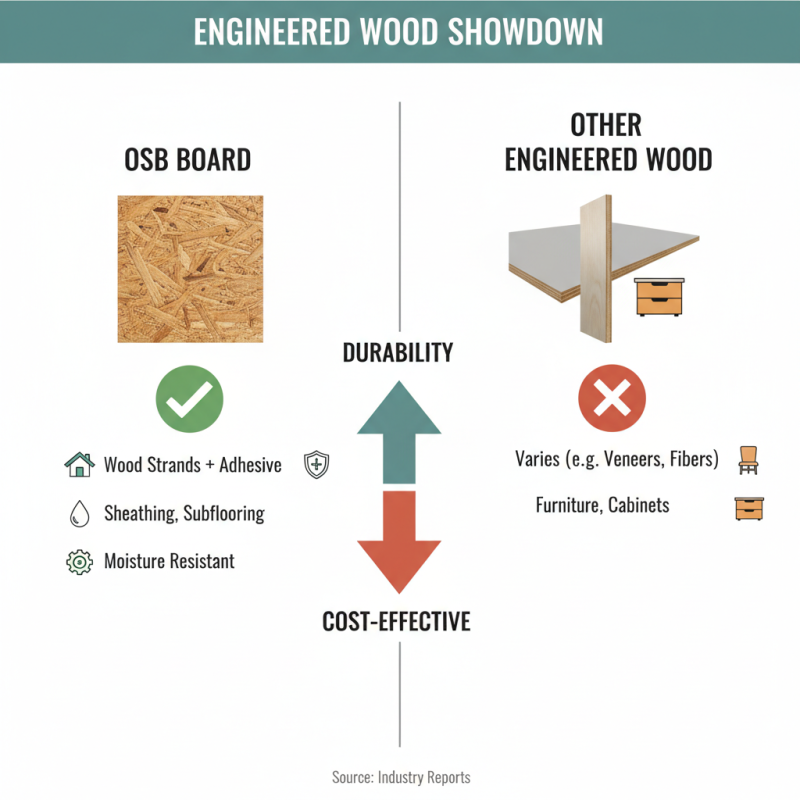
When discussing engineered wood products, OSB board stands out for its unique properties. Made of wood strands, it is compressed and bonded together with adhesives. This process creates a durable product that can withstand various environmental factors. In construction, OSB is commonly used for sheathing, flooring, and roof decking. Its ability to resist moisture makes it a popular choice in homes and commercial buildings.
However, comparing OSB with plywood reveals some differences. Plywood has multiple layers of veneers, providing flexibility and strength but often at a higher cost. While OSB is more affordable, it may not perform as well under certain conditions. This fact raises questions about long-term reliability. Some builders have noticed OSB's susceptibility to warping if exposed to excessive moisture.
There’s also noticeable variability in OSB quality. Manufacturers may use different adhesive types or wood species, affecting overall performance. This inconsistency can lead to difficulties in construction projects, as material quality might not always meet expectations. Exploring these differences is crucial for making informed decisions in material selection, ensuring that the right product is used for each unique project.