What is Ordinary Plywood for Global Buyers at 2026 Canton Fair?
The 2026 Canton Fair will showcase a wide range of products, including Ordinary Plywood. This type of plywood is essential for various applications in construction and furniture making. Reports show that the global plywood market is expected to grow at a CAGR of 5.2% from 2021 to 2028. Buyers are increasingly seeking products that meet quality standards.
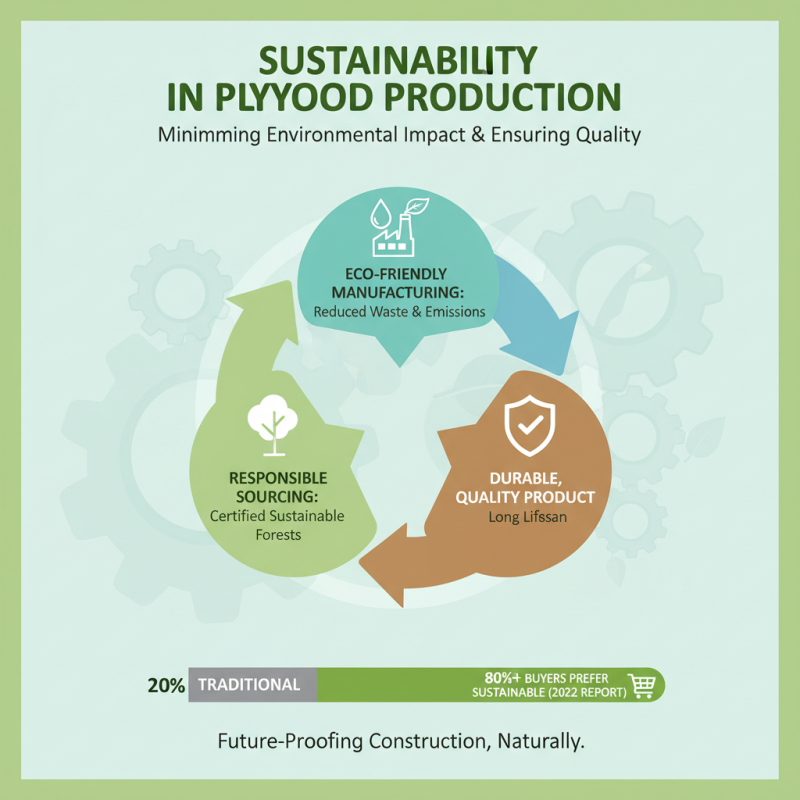
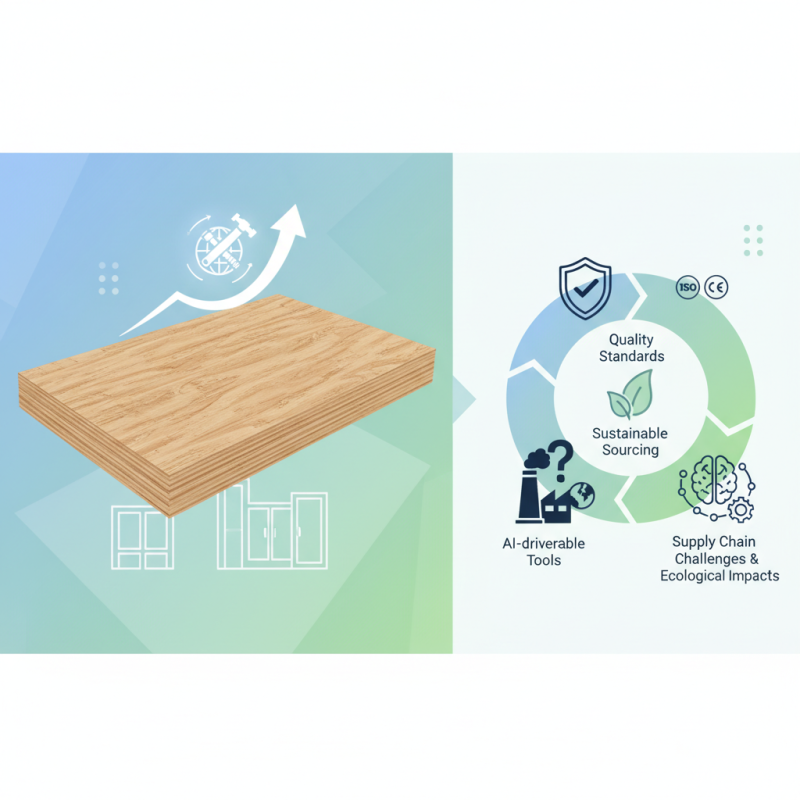
Ordinary Plywood stands out due to its versatility and affordability. It is used in building frames, cabinets, and barriers. As demand increases, the focus on sustainable sourcing and certified products grows. Many suppliers at the Fair will display Ordinary Plywood that meets ISO and CE certifications.
Navigating the 155,000-square-meter venue will be more efficient, thanks to AI-driven tools. These tools help buyers find suppliers of Ordinary Plywood who meet specific qualifications. However, despite these advancements, challenges remain in ensuring consistent quality. Reflections on supply chain efficiency and ecological impacts should guide this industry forward.
Definition and Characteristics of Ordinary Plywood for Buyers
Ordinary plywood is a staple in the global market.
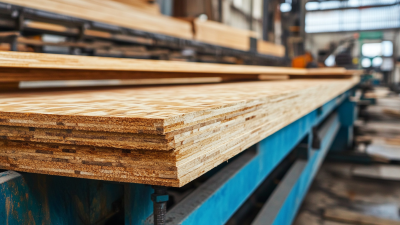
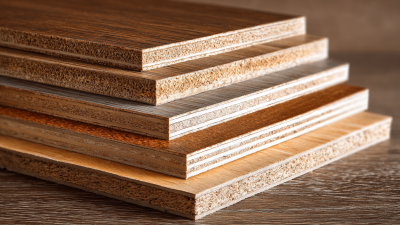
It consists of thin layers of wood veneer, bonded together with adhesives. This construction method provides
strength and durability. Buyers prefer it for various applications, from furniture
to construction. The thickness can vary, but common sizes include
3mm to 18mm.
One key characteristic is its versatility. Ordinary plywood
can be used indoors and outdoors. However, it must be treated properly for exterior use. Not all plywood is created equal;
quality can differ significantly. Some may warp or crack
over time. Buyers should pay attention to the source and type of wood used.
Another important factor is the finish. Plywood can come in
raw form or pre-finished. Raw plywood requires additional work, whereas finished products save time. Yet, the finish
affects cost and aesthetics. Buyers may find imperfections in some products, which could be a concern. Reflecting on
these details can help ensure a satisfying purchase.
Common Uses of Ordinary Plywood in Construction and Furniture Industry
Ordinary plywood is a staple in the construction and furniture industries. Its versatility makes it an ideal choice for many applications. According to a 2022 report from the Global Plywood Association, the demand for plywood is expected to increase by 5% annually through 2030.
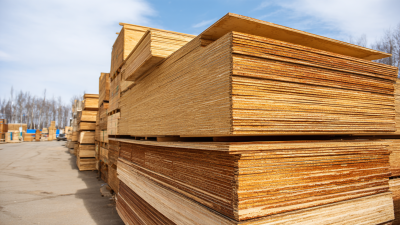
In construction, ordinary plywood is often used for structural purposes. Builders rely on it for flooring, walls, and roofs. It provides strength and durability while being lightweight. Data from industry studies show that over 30% of all residential buildings now incorporate plywood for these uses. However, some concerns have arisen regarding the quality of certain low-cost options on the market. This can lead to installation issues and shorter lifespans.
The furniture industry also uses ordinary plywood extensively. It forms the backbone of many furniture pieces, offering both support and aesthetic appeal. Reports indicate that nearly 45% of modern furniture designs feature plywood components. Yet, manufacturers must be cautious. The wrong type of plywood can warp or splinter. This can lead to customer dissatisfaction and increased returns. The challenge lies in balancing cost with quality, a dilemma that many face in today’s competitive market.
Comparative Analysis: Ordinary Plywood vs. Specialty Plywood Types
Ordinary plywood has gained popularity due to its affordability and versatility. It is widely used in construction, furniture, and crafts. In contrast, specialty plywood offers unique features, such as durability or specific aesthetic qualities. The choice between ordinary and specialty plywood can affect project outcomes significantly.
A recent report from the International Plywood Association highlights that ordinary plywood accounts for roughly 60% of the global market share. Its ease of use makes it an attractive option for many builders. However, it lacks some advanced properties found in specialty plywood. For example, specialty grades are often treated for moisture resistance. Ordinary plywood does not always hold up well in humid environments.
Additionally, ordinary plywood might not meet the aesthetic standards required for high-end furniture. As trends lean toward unique designs, buyers may find themselves reconsidering their choices. While ordinary plywood serves many functions, understanding the limitations is crucial. Specialty options can provide solutions where ordinary plywood falls short. The challenge for buyers is balancing cost and quality to ensure project success.
Sourcing and Procurement Tips for Global Buyers at Canton Fair
As the 2026 Canton Fair approaches, global buyers need to understand ordinary plywood's market dynamics. According to industry reports, the global plywood market is expected to grow substantially, reaching $60 billion by 2027. This growth provides an excellent opportunity for buyers looking to source quality plywood at competitive prices.
When navigating the Fair, consider these sourcing tips. Focus on suppliers with robust quality assurance processes. Verify their credentials and past performance. This is crucial because not all producers adhere to the same quality standards. Simple conversations can reveal much about a supplier's reliability.
Additionally, be aware that not all plywood is created equal. Variations in wood species, thickness, and adhesive types can impact product performance and cost. It's beneficial to request samples and evaluate them meticulously. A simple visual inspection can save time and money in the long run.
During your sourcing, keep an open mind. Some suppliers may offer innovative products that could fit your needs better than ordinary options. Exploring new materials may lead you to unexpected opportunities for growth.