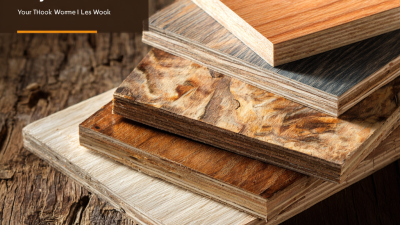
Top Uses and Benefits of Hardwood Plywood for Your Next Project
Hardwood plywood is an incredibly versatile and resilient material that has gained popularity across various industries and DIY projects alike. Its unique composition, combining multiple layers of thin wood veneer, results in a product that not only boasts strength and durability but also provides a stunning aesthetic appeal. Whether you are a professional carpenter or a weekend warrior looking to tackle a new project, understanding the top uses and benefits of hardwood plywood can significantly enhance your woodworking endeavors.
One of the primary advantages of hardwood plywood is its impressive stability; it resists warping and bending better than solid wood, making it an ideal choice for furniture and cabinetry. Additionally, hardwood plywood comes in a variety of finishes and styles, allowing for creative flexibility that can suit any design preference. From elegant cabinets to intricate custom furniture, the uses of hardwood plywood are virtually limitless, making it an essential material for crafting quality and long-lasting items. This article will delve into the key benefits and applications of hardwood plywood, providing valuable insights to help guide your next project decision.

Overview of Hardwood Plywood: Definition and Types
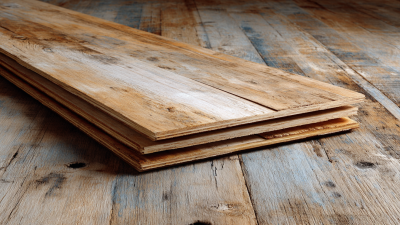
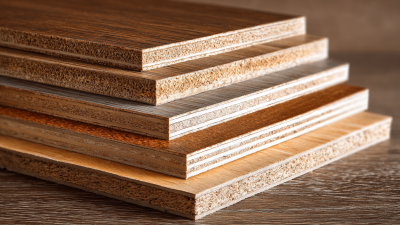
Hardwood plywood is an engineered wood product made from multiple layers of thin veneer, bonded together with adhesive. This type of plywood is known for its strength, durability, and versatility, making it a favored choice for both structural and aesthetic applications. Common types of hardwood plywood include birch, oak, maple, and cherry, each offering unique qualities in terms of grain pattern, color, and hardness. These characteristics enable designers and builders to select the right type of plywood that aligns with the project requirements, whether it’s for cabinetry, furniture, or decorative paneling.
When working with hardwood plywood, there are a few tips to optimize its use. First, always inspect the sheets for any imperfections or blemishes that could affect the final appearance. Additionally, consider using a fine-tooth saw blade during cutting to ensure clean edges, minimizing the risk of splintering. It’s also essential to plan for the wood’s expansion and contraction; allowing the plywood to acclimate to the environment before installation can prevent warping or misalignment.
Another important aspect is finishing. Given its aesthetic appeal, applying the right finish to hardwood plywood can accentuate its natural beauty. A clear coat, stain, or varnish can enhance the grain while providing protection. Be sure to test finishes on scrap pieces of plywood to achieve the desired look without compromising the integrity of the wood.
Advantages of Hardwood Plywood for Construction and Design
Hardwood plywood is a versatile material that offers numerous advantages for construction and design projects. One of its primary benefits is durability. Unlike softwoods, hardwoods are dense and tough, providing exceptional resistance to wear and tear. This makes hardwood plywood an excellent choice for high-traffic areas such as flooring, cabinetry, and furniture. Additionally, its natural beauty can enhance the aesthetic appeal of any space, as it often features rich grain patterns and a variety of finishes.
When using hardwood plywood, it is important to consider the type of adhesive used in its manufacturing, as this can affect its strength and longevity. Choosing a high-quality, waterproof adhesive can significantly enhance the performance of your project, especially in humid environments.
Tip: Always inspect the edges of the plywood sheets for any signs of damage before purchasing, as this can impact your project’s integrity.
In terms of design flexibility, hardwood plywood can be easily machined, allowing for intricate cuts and designs. It can also be stained or painted to achieve a desired appearance, making it suitable for both contemporary and traditional designs. Projects such as custom shelving, intricate cabinetry, and artistic wall panels benefit from the workability of hardwood plywood, encouraging creativity and innovation in design.
Tip: For projects that require intricate detailing, consider using a fine-tooth saw blade to reduce splintering and achieve clean cuts.
Top Uses and Benefits of Hardwood Plywood for Your Next Project
| Use Case |
Description |
Benefits |
| Furniture Making |
Hardwood plywood is commonly used for crafting durable and visually appealing furniture. |
Excellent strength-to-weight ratio, aesthetic appeal, and versatility in design. |
| Cabinetry |
Ideal for kitchen and bathroom cabinets due to its durability and finish options. |
Stability against warping, various veneer options for customization. |
| Architectural Features |
Used in wall paneling, moldings, and decorative elements in buildings. |
Allows intricate designs while maintaining structural integrity. |
| Flooring |
Provides a solid base for beautiful hardwood floors. |
Durable, easy to maintain, and adds value to a property. |
| Soundproofing |
Utilized in applications requiring sound dampening qualities. |
Natural acoustic properties help reduce noise transmission. |
Common Applications of Hardwood Plywood in Various Industries
Hardwood plywood is extensively utilized across various industries due to its versatility and structural integrity. In the furniture industry, for example, hardwood plywood is favored for its strength-to-weight ratio, making it an ideal material for crafting durable furniture pieces. According to a report by the U.S. Forest Service, the furniture sector accounts for approximately 29% of hardwood plywood consumption, highlighting its significance in providing stability and aesthetics to residential and commercial furnishings.
In the construction and architectural sectors, hardwood plywood serves essential functions beyond just structural support. It is commonly employed in decorative wall panels, cabinetry, and flooring. Research from the Wood Products Council indicates that hardwood plywood exhibits superior dimensional stability compared to other materials, reducing the likelihood of warping and ensuring longevity. This quality positions it as a preferred choice for high-end construction projects, where both performance and visual appeal are paramount. Furthermore, the demand for sustainable building materials has led to a rise in the use of certified hardwood plywood, underscoring its alignment with eco-friendly building practices in various industries.
Environmental Benefits of Using Hardwood Plywood
Hardwood plywood not only offers structural strength and aesthetic appeal but also demonstrates a remarkable commitment to environmental sustainability. The production of hardwood plywood generally utilizes a higher percentage of wood resources by combining multiple layers of veneer, which minimizes waste and maximizes efficiency. This makes hardwood plywood an eco-friendlier choice compared to solid wood alternatives, as it ensures that more trees are preserved and less timber is required for the same amount of material.
In addition to responsible sourcing, hardwood plywood has a lower carbon footprint during its lifecycle. The manufacturing process requires less energy than that of solid wood products, contributing to reduced greenhouse gas emissions. The longevity and durability of hardwood plywood also play a role in environmental conservation. With proper care, it can last for decades, reducing the need for replacements and thereby conserving resources over time. By choosing hardwood plywood for your next project, you’re not only benefiting from its versatility and strength but also making an environmentally conscious decision that supports sustainable practices and helps protect natural ecosystems.
Tips for Selecting the Right Hardwood Plywood for Your Project
When selecting hardwood plywood for your project, it’s essential to consider several factors that will influence the overall outcome and durability of your work. First, assess the grade of the plywood. Higher grades, such as A or B, have fewer imperfections and offer a smoother surface, making them ideal for visible projects like cabinetry and furniture. Conversely, lower grades may contain knots and blemishes, which could be more suitable for structural components where appearance is less critical.
Another important consideration is the thickness of the plywood. Thicker sheets provide greater strength and stability, making them preferable for projects that require load-bearing capabilities, such as shelving or flooring. Furthermore, consider the species of wood used in the plywood. Different hardwood species, such as oak, maple, or birch, not only affect the aesthetic appeal but also influence the plywood's durability and workability. Ensuring that you choose the right combination of grade, thickness, and wood species will help you achieve the best results for your woodworking endeavors.