What is Concrete Plywood and How is it Used?
Concrete Plywood is an innovative building material that has gained popularity in recent years. It combines the durability of concrete with the versatility of plywood. This unique material is used in various construction applications, from flooring to wall forms. Understanding its properties and uses can help builders make informed choices.
Crafted from high-quality plywood and coated with concrete, Concrete Plywood is strong yet lightweight. This makes it easy to transport and install. Its resistance to moisture and pests adds to its appeal in diverse climates. However, not all projects benefit equally from this material. Some builders may overlook its potential to create sustainable structures. This can lead to missed opportunities for eco-friendly designs.
As professionals explore Concrete Plywood's applications, it is essential to consider both its advantages and limitations. While it offers many benefits, challenges exist. For instance, careful handling is required during installation to prevent damage. Reflecting on these factors allows builders to utilize Concrete Plywood effectively.
Definition and Composition of Concrete Plywood
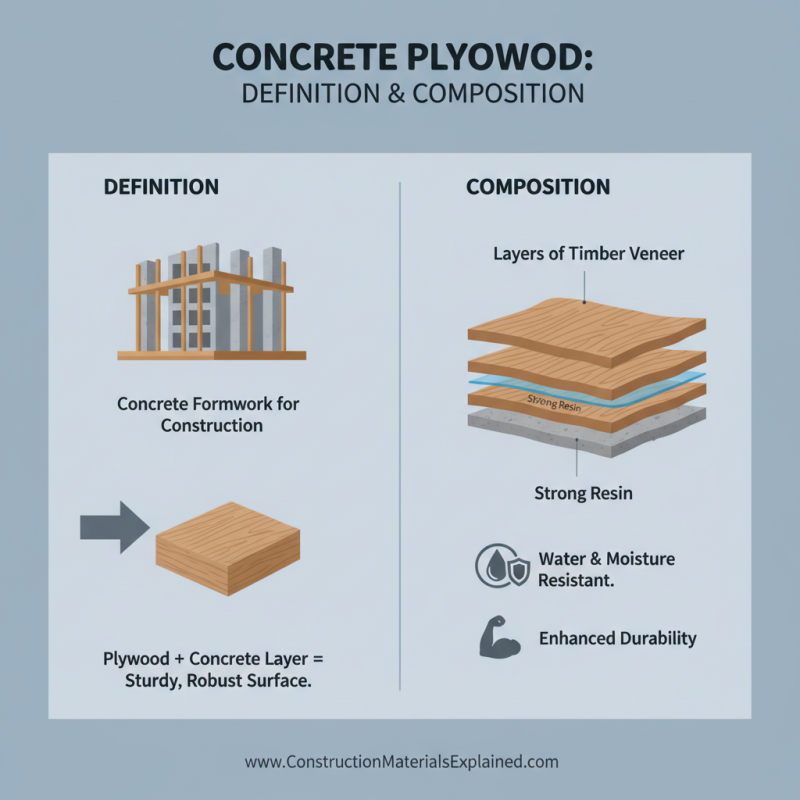
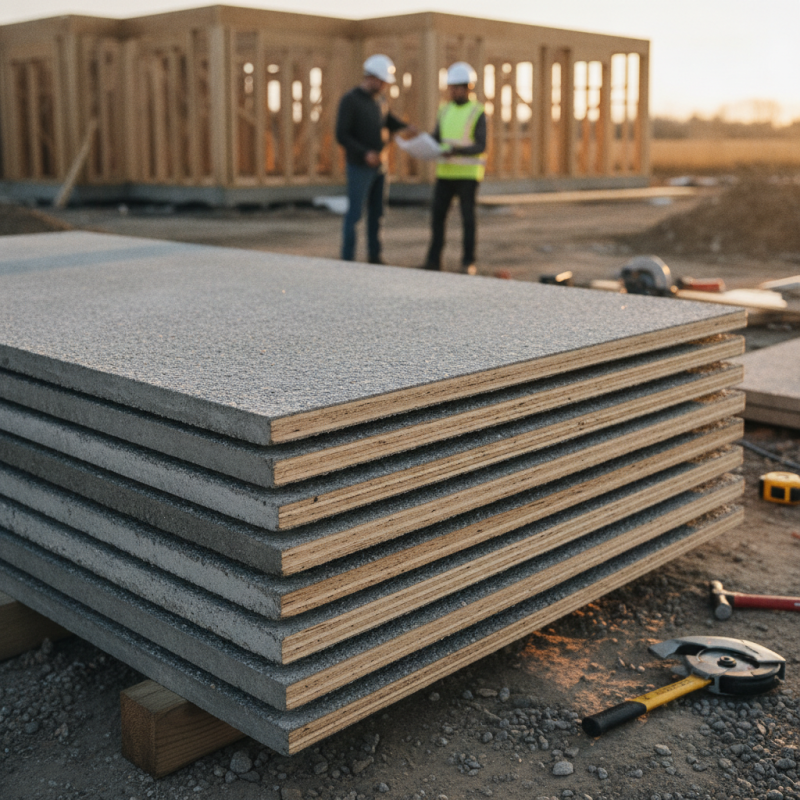
Concrete plywood, often referred to as concrete formwork, plays a critical role in construction projects. This material combines traditional plywood with a concrete layer, creating a sturdy and robust surface. The composition typically includes layers of timber veneer bonded with a strong resin. This process enhances durability while ensuring resistance against water and moisture.
Moreover, concrete plywood is versatile in its applications. It's primarily used for forming walls and slabs in construction. The plywood layers provide support, while the concrete layer offers strength. However, this material can be heavy and challenging to handle. Proper installation techniques are essential to avoid issues like warping or cracking. Further, maintenance practices can sometimes be overlooked, leading to faster degradation in some environments. While the benefits are extensive, it's crucial to remain mindful of these factors for successful usage.
Key Properties and Benefits of Concrete Plywood in Construction
Concrete plywood, often considered a revolutionary material in the construction industry, combines durability with versatility. This innovative product is designed to withstand harsh environmental conditions. It is particularly effective in areas exposed to moisture and heavy wear. Its composition offers strength similar to traditional concrete while being lighter and easier to handle.
One of the standout properties of concrete plywood is its resistance to rot and pests. Unlike standard wood materials, it doesn't warp easily. This resilience can significantly reduce maintenance costs over time. Additionally, it provides excellent thermal performance. Builders often find that it can enhance energy efficiency in structures. However, some may perceive the initial cost as a drawback, leading to hesitation in adoption. Proper installation knowledge is crucial for maximizing its benefits.
The aesthetic appeal of concrete plywood also deserves attention. It can be finished in various ways, allowing for creative architectural designs. However, some finishes may require specialized techniques. As with any material, users must consider project-specific needs. Exploring all options is essential for making informed decisions.
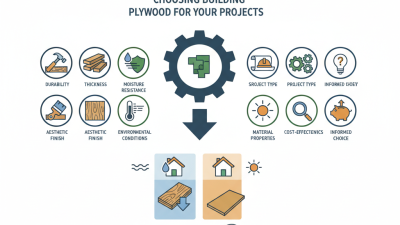
Concrete Plywood Properties and Benefits in Construction
Common Applications of Concrete Plywood in Building Projects
Concrete plywood, often referred to as formwork, is increasingly popular in construction due to its versatility and strength. It is primarily used in building projects where durability and moisture resistance are key. A recent industry report noted that concrete plywood has become a preferred choice for structural applications, with a growth rate of 6.7% in the construction sector.
Common applications include foundations, walls, and slabs. Projects involving bridges and high-rise buildings also capitalize on the material’s ability to withstand heavy loads. Notably, concrete plywood helps maintain structural integrity during construction, which is vital in complex builds. However, it is essential to consider how it interacts with different weather conditions, as moisture levels can affect its longevity.
**Tip:** Regularly inspect concrete plywood used in outdoor settings. Moisture exposure can lead to premature deterioration.
When using concrete plywood, aligning with industry standards is crucial. Some builders find that while it offers great strength, improper installation can lead to complications. Training staff thoroughly is necessary to prevent costly mistakes. Employing quality control measures will also enhance the project's overall success.
**Tip:** Always conduct a thorough pre-installation assessment. This helps identify potential issues before they become significant problems.
What is Concrete Plywood and How is it Used? - Common Applications of Concrete Plywood in Building Projects
| Application |
Description |
Advantages |
Common Usage |
| Formwork |
Used to create molds for creating concrete structural elements. |
Durability and moisture resistance, reusable. |
Commercial buildings, bridges, and highways. |
| Flooring |
Serves as a subfloor for various flooring applications. |
Strong, able to withstand heavy loads. |
Industrial warehouses and commercial properties. |
| Wall Sheathing |
Provides structural support and insulation for walls. |
Increases energy efficiency and structural integrity. |
Residential and commercial structures. |
| Roofing |
Used as a base for roofing materials. |
Weather-resistant and durable. |
Commercial and industrial buildings. |
| Temporary Structures |
Used for creating temporary installations at job sites. |
Lightweight and easy to assemble. |
Construction sites and events. |
Comparative Analysis: Concrete Plywood vs. Traditional Plywood
Concrete plywood and traditional plywood serve different needs in construction. Concrete plywood, often reinforced with a concrete surface, offers superior durability. Reports indicate that it can last up to 20% longer than traditional plywood in harsh environments. This makes it suitable for high-traffic areas such as warehouses and parking lots. On the other hand, traditional plywood is more versatile for interior uses, being lighter and easier to work with for furniture and cabinetry.
One contrasting feature is resistance to moisture. Concrete plywood typically outperforms traditional plywood in wet conditions, with a 40% higher moisture resistance. However, it lacks the aesthetic appeal of wood grain that many homeowners desire. As a rule of thumb, if you're considering aesthetics and ease of installation, traditional plywood might be the better choice. Remember, each option has strengths but also limitations based on the project requirements.
Tips: Always evaluate the environmental conditions before choosing plywood. For exterior projects, lean toward concrete plywood for longevity. In contrast, save costs and weight by selecting traditional plywood for indoor applications. Use moisture barriers where necessary to prolong lifespan.
Industry Insights: Market Trends and Demand for Concrete Plywood
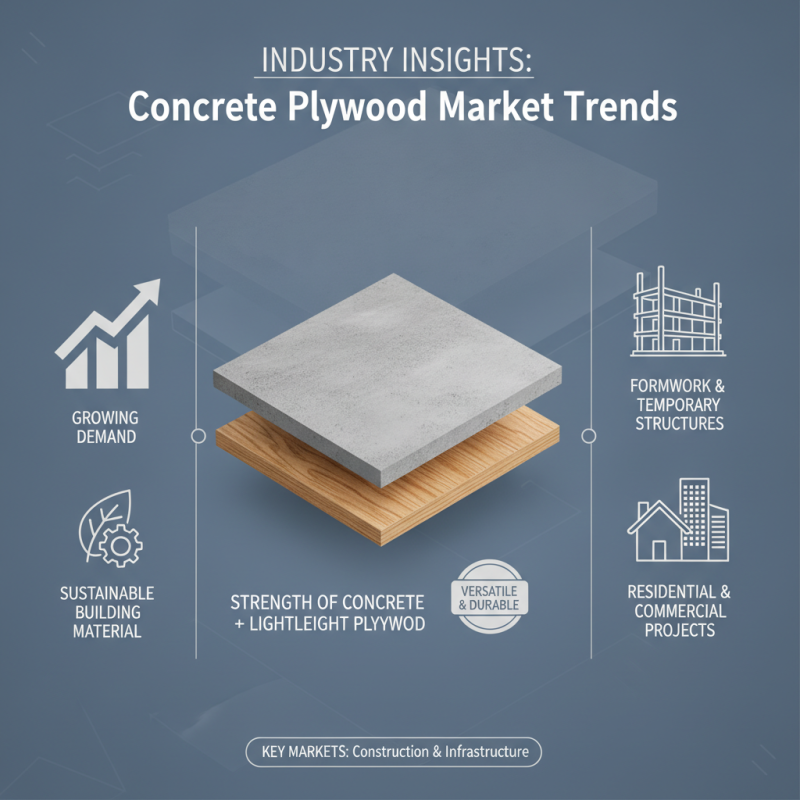
Concrete plywood has gained popularity in various construction sectors due to its durability and versatility. As the demand for sustainable building materials grows, concrete plywood stands out. It combines the strength of concrete with the lightweight properties of plywood. This unique feature makes it ideal for applications such as formwork and temporary structures. Industry experts note that this material is seeing increased use in both residential and commercial projects.
Market trends show a rising interest in concrete plywood due to its cost-effectiveness. Many builders appreciate its performance in harsh weather conditions. However, some challenges remain. The installation process can be complex, requiring skilled labor. Additionally, proper maintenance is essential to ensure its longevity. Despite these hurdles, the overall market outlook remains positive. The building and construction industry continues to explore new applications for concrete plywood, driving demand even further. This material is not just a trend; it represents a shift towards innovative building solutions.