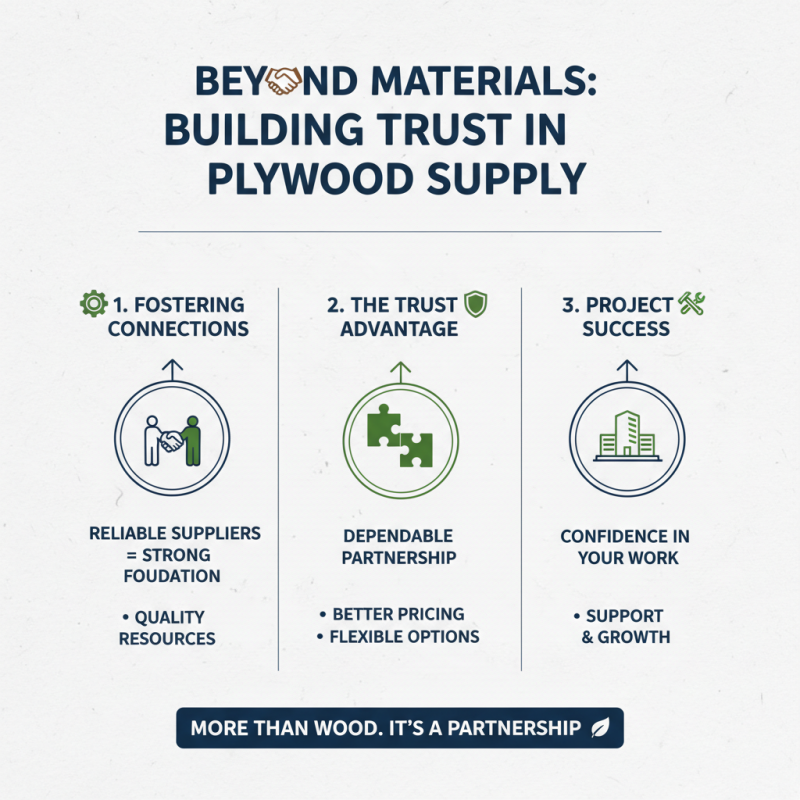
Why Choose the Right Plywood Supplier for Your Projects?
Choosing the right plywood supplier can greatly impact your project's success. The plywood industry is influential, projecting a market value exceeding $75 billion by 2025. However, many factors can affect this choice, from quality to cost.
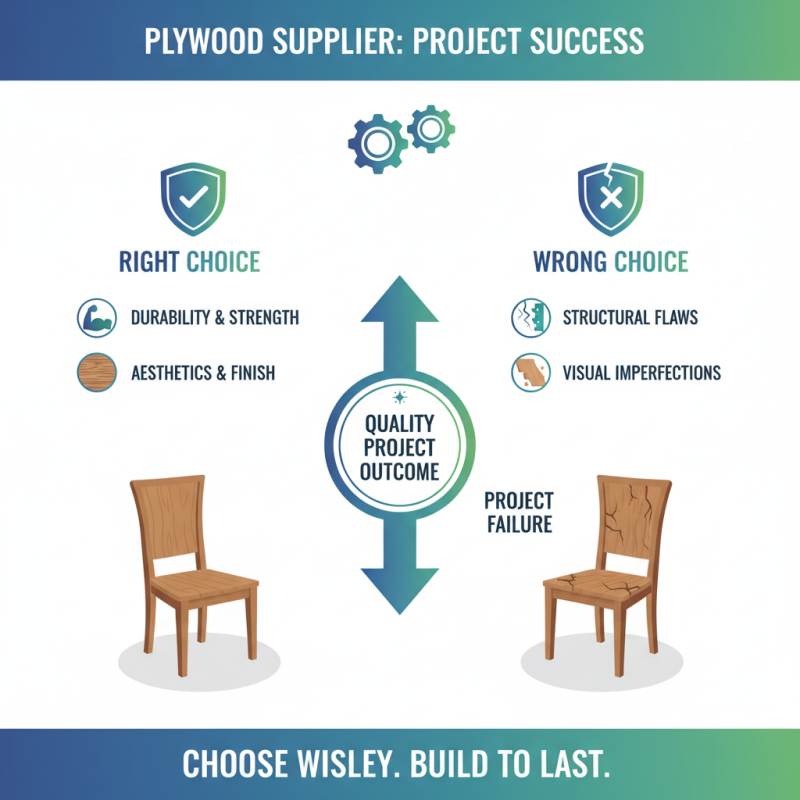
Quality matters. Cheap plywood may save money, but it could lead to structural failures. A supplier with consistent quality is essential. According to industry reports, projects using high-quality plywood saw fewer complaints from clients.
Furthermore, not every plywood supplier meets industry standards. Some may cut corners, affecting durability and performance. It's crucial to research and ask questions. The right supplier can provide advice on material specifications and project needs. Investing time in selecting a supplier is an essential step in ensuring your project's long-term success.
Understanding the Importance of Selecting a Plywood Supplier
Choosing the right plywood supplier is critical for any construction project. Not all suppliers offer the same quality. According to a study by the Wood Products Council, low-quality plywood can lead to structural failures. This risk increases project costs significantly. In fact, 30% of construction mistakes are linked to material issues.
It's vital to evaluate suppliers thoroughly. Look at their sourcing practices. A reliable supplier should provide information on their wood origins. Sustainable practices are essential. A report by the Forest Stewardship Council indicates that responsibly sourced plywood can reduce environmental impact by 25%.
Sometimes, price is the only consideration. This can lead to choosing poor-quality materials. Lower prices might mean compromised strength or finishes. Additionally, take note of delivery times. Delayed materials can derail a project timeline. Verify past performance through customer reviews. A single poor choice can affect the entire project's future. Building a solid relationship with a plywood supplier can yield long-term benefits.
Key Factors to Evaluate When Choosing a Plywood Supplier
When selecting a plywood supplier, there are several key factors to consider.
Quality is paramount. Look for suppliers that offer consistent and high-grade materials.
Examine product specifications and certifications to ensure compliance with industry standards.
Poor quality plywood can lead to project delays and increased costs.
Price is another important aspect. While it's tempting to go for the cheapest option, this may affect your project’s integrity.
Balance cost with quality to make informed decisions. Communication with the supplier matters too.
A responsive and knowledgeable supplier can provide valuable insights and support.
Additionally, consider the supplier's reputation and reviews.
Check what previous customers say. This can reveal strengths and weaknesses.
Pay attention to their delivery times. Late deliveries can disrupt your timeline.
Lastly, consider the supplier’s range of products.
Versatility in options can help you tackle different project requirements effectively.
The Impact of Supplier Quality on Project Outcomes
Choosing the right plywood supplier significantly influences project outcomes. Quality plywood is crucial for durability and appearance. Subpar materials can lead to structural issues and aesthetic problems. Imagine a beautiful piece of furniture made from inferior plywood. Flaws might emerge, ruining the final design.
Supplier quality can affect timelines, too. A reliable supplier ensures timely deliveries. Delays from lower-quality sources can stall projects and frustrate clients. For instance, if a supplier fails to meet specifications, it can disrupt the entire workflow. This requires adjustments, which can escalate costs.
Every supplier may have strengths and weaknesses. It's essential to assess their track record thoroughly. Ask for references. Check reviews. A solid supplier might have minor hiccups, but they can handle issues effectively. Reflecting on past experiences helps evaluate current needs. How did previous choices impact project success?
Comparing Pricing Models and Quality Across Plywood Suppliers
When selecting a plywood supplier, pricing models are a key factor. Some suppliers offer lower upfront prices. But this can sometimes indicate lower quality materials. A supplier with transparent pricing may be more reliable. It often reflects their commitment to quality.
Quality varies significantly among suppliers. Some provide high-grade plywood that withstands wear and tear. Others may cut corners, leading to poor durability. It's crucial to ask about the sourcing of the plywood. Certifications can help track quality. However, certifications don’t guarantee the best product. It’s worth examining samples before making a large commitment.
Understanding long-term costs is essential in this decision. While a cheaper option may save money now, it can lead to future expenses. Projects might require repairs or replacements sooner. A balance between price and quality matters to ensure success. Reflecting on these aspects can lead to better choices in your projects.