How to Choose the Right Plywood Sealer for Your Project?
Choosing the right plywood sealer for your project is essential. Plywood sealers protect the surface and enhance durability. Selecting a suitable option requires understanding various factors.
Consider the environment where the plywood will be used. Indoor projects might need different sealers than outdoor ones. For instance, water-based sealers are often best for indoor use. They are easy to clean up and have less odor. However, for outdoor durability, oil-based plywood sealers can provide better protection against moisture and UV rays.
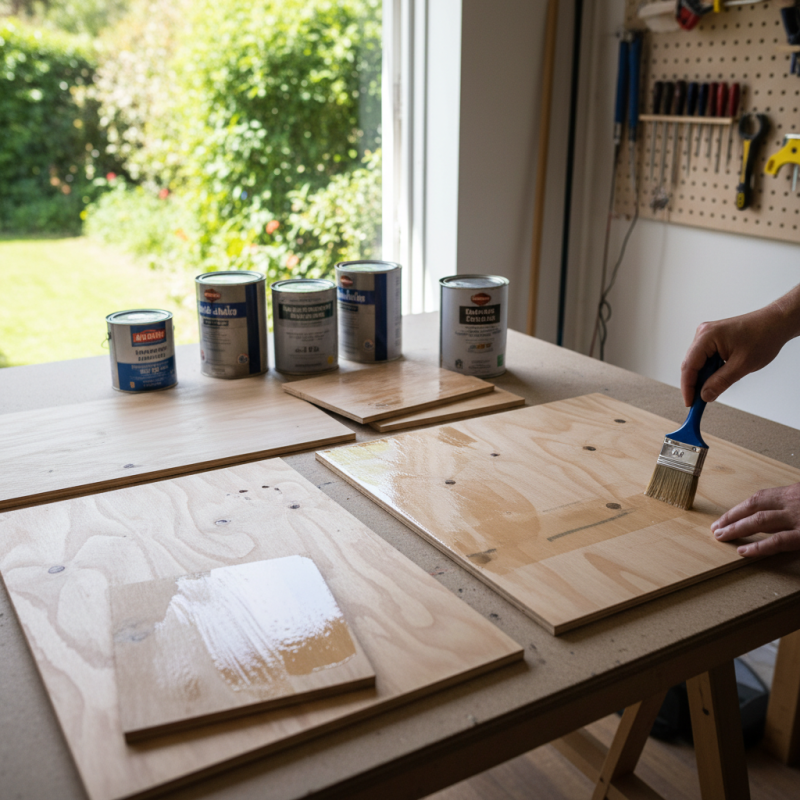
It's also vital to think about your project's aesthetic. Some sealers can alter the wood's color. This change may be desired or unwanted. Be wary of glossy finishes that may highlight imperfections. Testing sealers on scrap pieces of plywood can help avoid mistakes. Ultimately, choosing the right plywood sealer involves careful consideration of both functionality and appearance.
Understanding the Different Types of Plywood Sealers Available
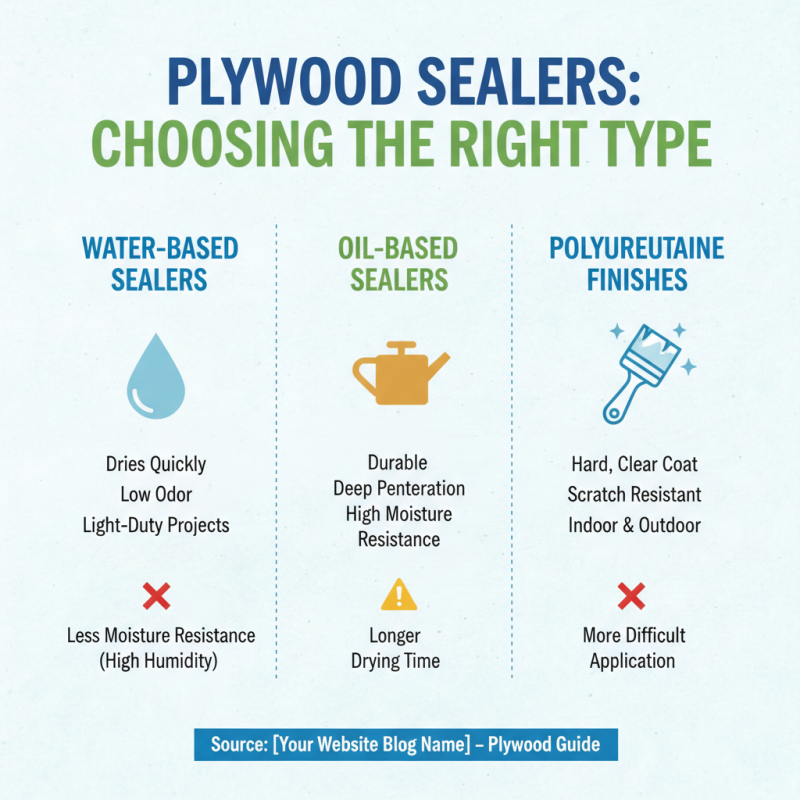
Selecting the right plywood sealer starts with understanding the various types available. There are water-based sealers, oil-based sealers, and polyurethane finishes. Each type offers distinct benefits and drawbacks. Water-based sealers dry quickly and have low odor. They work well for light-duty projects. However, they may not provide enough moisture resistance for high-humidity areas.
On the other hand, oil-based sealers penetrate deeply into the wood. They provide excellent protection against moisture and wear. But they take longer to dry and emit stronger odors. Polyurethane sealers are known for their durability. They create a hard, protective layer that resists scratches and stains. Their application can be tricky, as they require careful surface preparation.
Choosing a sealer often leads to uncertainty. Some users find that their choice doesn’t match the project needs. It’s common to overlook the environment where the plywood will be used. That can lead to premature deterioration. Evaluating your specific requirements—like exposure to moisture or light—will help steer your decision. It's always worth testing a small area before full application.
Assessing the Environmental Conditions for Your Plywood Project
Assessing the environmental conditions for your plywood project is crucial. Humidity, temperature, and exposure to elements can all affect your choice of sealer. For instance, high humidity can lead to mold. Choose a sealer specifically designed to resist such issues.
Temperature is another critical factor. If you’re working in a hot area, some sealers may dry too quickly. It’s important to allow the sealer to cure properly. Always check the manufacturer's guidelines regarding application temperatures.
Consider the location of your project. An outdoor project requires waterproof sealers. An indoor project may not have the same need. Be aware that some sealers can emit fumes. Ensure proper ventilation during application. Experiment with a small area first, allowing you to see how the environment influences the performance of the sealer.
Environmental Conditions Impact on Plywood Sealer Choice
Evaluating the Intended Use and Exposure of the Plywood
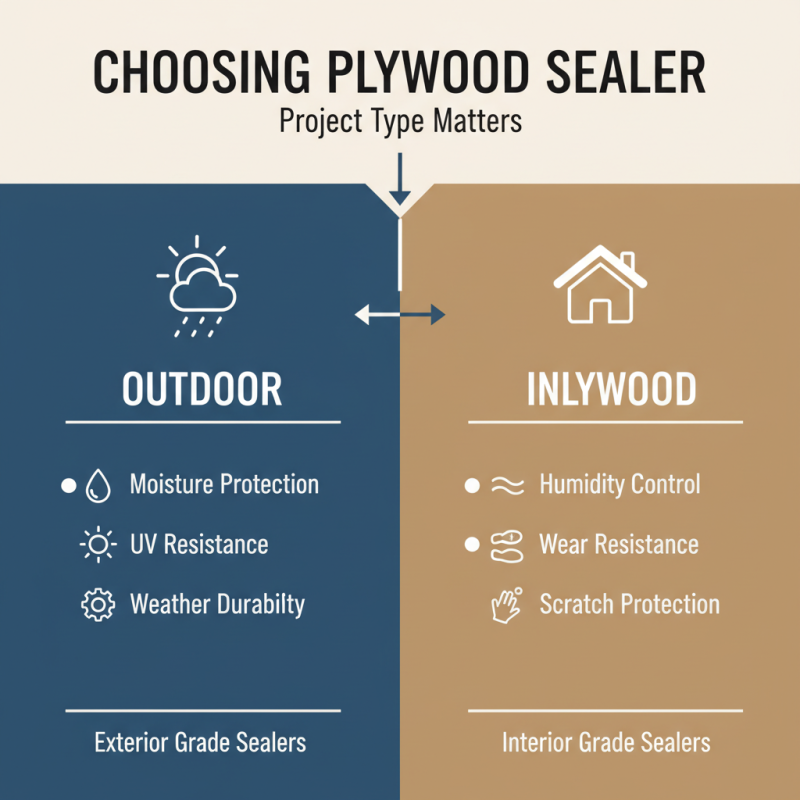
When choosing a plywood sealer, consider your project’s intended use. Will it be indoors or outdoors? Outdoor projects face moisture and UV exposure. Indoor applications may only need protection from humidity and wear. These factors significantly affect the type of sealer you should select.
For outdoor plywood, water-resistant sealers are crucial. They prevent warping and rotting. You might think all sealers do this, but many fall short over time. Analyze the environment where the plywood will be placed. Is it shaded or exposed to rain? Low-quality sealers might not hold up well, requiring more frequent touch-ups.
For indoor projects, you might consider a clear acrylic sealer. These provide protection while allowing the natural beauty of the wood to shine. However, they might not offer ample resistance against scratches and stains. You could apply more layers, but this takes time and effort. Remember, not every sealer fits every need. Test and evaluate for each specific use case. Don't rush this process; it could save you from costly repairs later.
Determining Application Methods for the Chosen Sealer
Choosing the right sealer for plywood is essential, but application methods can be tricky. Begin by assessing the surface of your plywood. Is it smooth or rough? This will influence how the sealer adheres. A rough surface might absorb more product, while a smooth finish often requires less.
Consider using a brush for more control, especially on intricate designs. A sprayer may save time on large surfaces but requires careful handling to avoid overspray.
Before you start, test the sealer on a scrap piece. This helps you gauge how it soaks in. Watch for drips or uneven spots. If you notice these issues, adjust your technique. Don’t rush the curing process. Allow the first coat to dry completely before applying a second. Sometimes, an extra coat is necessary for full coverage.
Use a roller for larger flat areas to ensure an even layer. Remember, a thick coat might look good initially but can lead to problems later. Take your time and reflect on your methods to achieve the best results.
Considering Budget and Long-Term Maintenance Needs for Sealers
When selecting the right plywood sealer, budget plays a critical role. A professional report by the Wood Protection Association indicates that a good sealer can range from $20 to $60 per gallon. This price difference can significantly impact your project's budget. What seems affordable initially may lead to higher long-term costs. Cheap sealers might require more frequent applications or may not provide adequate protection.
Long-term maintenance needs must be considered. A sealing product that lasts for five years may seem appealing at first. However, if it deteriorates quickly, the need for reapplication can be a hidden expense. A study showed that homeowners often overlook the maintenance cycle. According to industry research, the average cost of maintenance can add up to 30% of the initial budget over time.
Moreover, evaluating environmental factors is essential. Moisture and temperature can affect a sealer’s performance. Some sealers might offer a glamorous finish but fail against humidity. Oversight in selecting the right sealer based on project specifics can lead to regrets later on. It’s wise to ponder not just the present budget but also the future of the project.
How to Choose the Right Plywood Sealer for Your Project? - Considering Budget and Long-Term Maintenance Needs for Sealers
| Sealer Type |
Cost per Gallon |
Application Ease |
Durability |
Maintenance Frequency |
| Oil-Based Sealer |
$25 |
Moderate |
High |
Every 3-5 years |
| Water-Based Sealer |
$20 |
Easy |
Moderate |
Every 2-3 years |
| Polyurethane Sealer |
$30 |
Moderate |
Very High |
Every 5-7 years |
| Acrylic Sealer |
$18 |
Easy |
Low |
Every 1-2 years |
| Epoxy Sealer |
$35 |
Complex |
Very High |
Every 5-10 years |