How to Choose the Best Plywood Sealer for Your Projects?
Choosing the right plywood sealer is crucial for the longevity and appearance of your projects. In a report by the Wood Protection Association, 75% of contractors agree that a quality sealer significantly extends the life of plywood. John Smith, a renowned expert in wood finishing, emphasizes, "The right plywood sealer can prevent moisture damage and ensure durability."
There are various options available in the market. Each product promises different benefits, which can make decision-making difficult. Many consumers overlook the specific needs of their projects. Not every sealer is suitable for all types of plywood or environmental conditions. This can lead to problems down the line, such as peeling finishes or warping.
Understanding the attributes of a plywood sealer is essential. Factors like drying time, application method, and environmental impact are significant. Misjudging any of these can result in project setbacks. Selecting the right product requires careful consideration. In an industry where details matter, a poorly chosen sealer may compromise the entire project.

Understanding the Importance of Plywood Sealers in Project Longevity
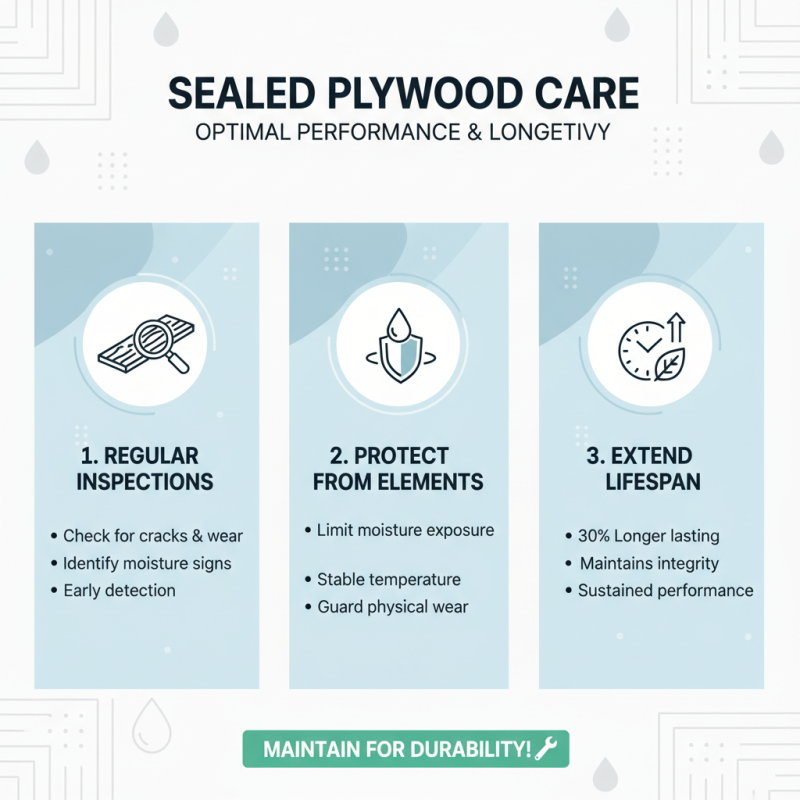
Plywood sealers play a crucial role in enhancing the durability of your wooden projects. They protect against moisture, which can lead to rot and deterioration. A good sealer acts as a barrier, ensuring your plywood withstands various environmental conditions. This can extend the lifespan of your projects significantly.
When selecting a sealer, consider the specific conditions the plywood will face. For outdoor projects, look for water-resistant formulations. For indoor use, a clear finish may suffice. Always test a small area first. This allows you to observe how the sealer interacts with the plywood. Remember, not all sealers are equal; some may not provide adequate protection.
Tips: Ensure surface preparation is thorough. Sand the plywood before applying the sealer for better adhesion. Always apply multiple thin coats instead of one thick layer. Allow adequate drying time between coats. The process might seem tedious, but it can dramatically improve your project's final results. Seek guidance from experts if you're unsure; their insights can be invaluable.
Types of Plywood Sealers and Their Applications
When it comes to plywood sealers, understanding the available types is essential for effective application. The most common types are water-based, oil-based, and polyurethane sealers. Water-based sealers dry quickly and are easy to clean up, making them a suitable option for indoor projects. They are less toxic and have lower odors. Oil-based sealers, on the other hand, penetrate deeper into the wood. They offer superior protection against moisture and wear. However, they take longer to dry and require solvents for cleanup. Polyurethane sealers provide a tough, protective finish ideal for high-traffic areas.
Choosing the right sealer depends on your project requirements. Consider where the plywood will be used. Is it for outdoors or indoors? Will it be exposed to high moisture? These factors will influence your decision. Don’t underestimate the power of testing a small area first. This can give you insights into finish and durability before committing to the entire project.
Tips: Always read the manufacturer's instructions. Some sealers may require specific application techniques. Additionally, checking for compatibility with the wood type can save future headaches. Lastly, leave enough curing time before subjecting the surface to stress. Each sealer behaves differently, and rushing can lead to issues like bubbling or peeling.
How to Choose the Best Plywood Sealer for Your Projects?
| Type of Plywood Sealer |
Appearance |
Application Method |
Drying Time |
Best Uses |
| Oil-Based Sealers |
Glossy Finish |
Brush, Roll, or Spray |
6-8 Hours |
Furniture, Cabinets |
| Water-Based Sealers |
Satin Finish |
Brush or Spray |
1-2 Hours |
Interior Projects, Crafts |
| Shellac Sealers |
Amber Tint |
Brush or Pad |
30 Minutes |
Art Projects, Decorative Pieces |
| Epoxy Sealers |
High Gloss |
Pour and Spread |
24-48 Hours |
Flooring, High Moisture Areas |
Evaluating Key Features of Plywood Sealers Before Purchase
When selecting a plywood sealer, it's crucial to understand the specific features that align with your project needs. Begin by assessing the formulation of the sealer. Water-based sealers tend to have less odor and faster drying times, making them user-friendly. On the other hand, oil-based options provide deep penetration and durability. Knowing your project's requirements can steer you toward the right choice.
Consider the sealant's level of waterproofing. Projects exposed to moisture demand a robust, water-resistant sealer. Test a small area before fully committing to see how well it performs in real conditions. Also, check for UV protection. This is vital if the plywood will be subjected to sunlight. A sealer with UV filters can prevent discoloration and prolong the life of your project.
Tips: Always read user reviews for insights about performance. Look for details on application methods, as some sealers are simpler to work with. Keep an eye on the drying time; a long wait can delay your project. Finally, don’t overlook safety features. Ensure that the sealer you choose has low volatile organic compounds (VOCs) to maintain indoor air quality.
Steps for Properly Applying Plywood Sealers
Applying plywood sealers properly is crucial for enhancing the durability of your projects. Begin by selecting a well-ventilated area. This step is essential for safety and ensuring proper drying. Gather all necessary tools, like brushes and rollers, before starting the application. Having everything at hand will save you time.
Next, prepare the plywood surface. Sanding the edges and surfaces can help improve adhesion. Inconsistent surfaces may lead to uneven sealing, which is a common mistake. Ensure to clean any dust or debris thoroughly. After that, apply the sealer evenly, using long strokes to cover the entire surface. Pay attention to corners, as these areas often get overlooked. Depending on your project, you might need multiple coats.
Always allow adequate drying time between coats. Rushing can result in a blotchy finish. After the final coat, inspect for any missed spots and touch them up. It’s important to reflect on the process for potential improvements. What worked well? What didn’t? This self-evaluation helps refine your sealing technique for future projects.