How to Choose the Right Plywood Factory for Your Project?
Choosing the right Plywood Factory is crucial for any construction project. The global plywood market was valued at over $40 billion in 2022 and continues to grow. A reliable factory can significantly impact the quality and cost of materials. Selecting a factory that meets your specific needs is not just important; it’s essential.
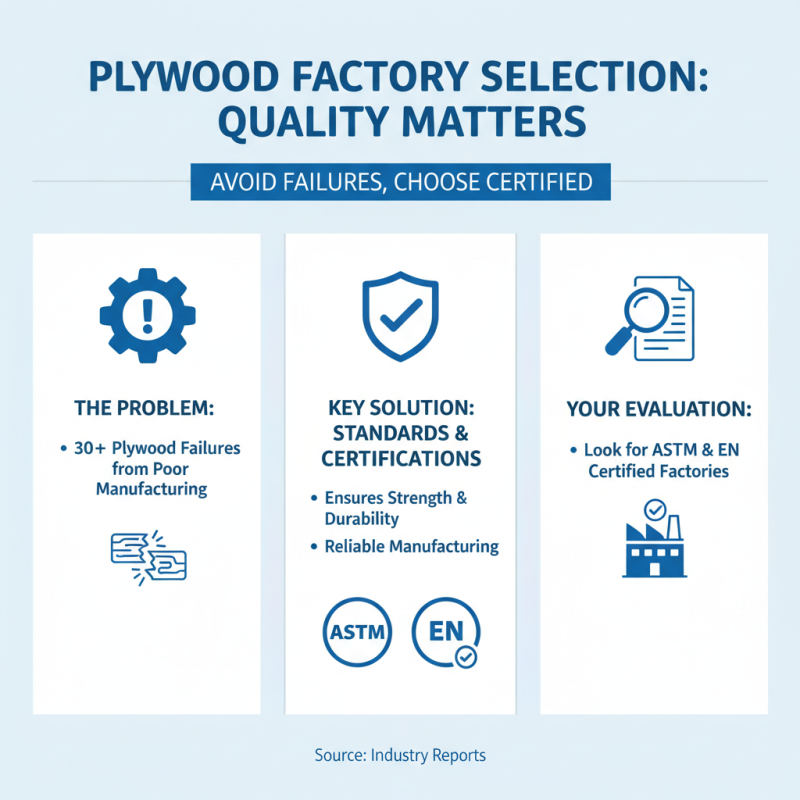
Consider the production capacity of the Plywood Factory. Some factories may not meet your demand timelines. Quality assurance is another critical factor. Reports indicate that up to 30% of plywood boards fail standard quality checks. Choosing a factory with strong quality control measures is wise.
Also, think about the source of raw materials. Sustainable sourcing practices are vital today. Research suggests that about 65% of customers prefer eco-friendly products. It's important to reflect on all these factors when picking a factory. In an age of information, do thorough research to avoid costly mistakes later on.
Understanding the Different Types of Plywood Available
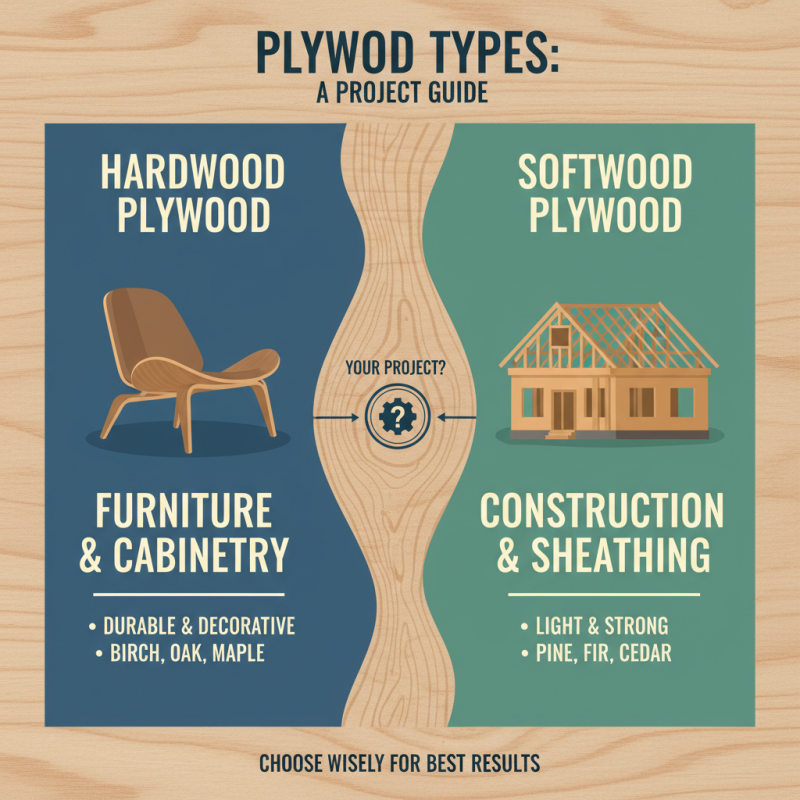
When selecting plywood for your project, understanding its different types is crucial. There are various plywood classifications, each serving unique purposes. For instance, hardwood plywood is durable, making it ideal for high-end furniture. Conversely, softwood plywood is lighter and often used for construction.
According to industry reports, nearly 70% of plywood produced in 2022 was softwood. This highlights its popularity among builders. However, durability varies greatly among different types. Not all softwood plywood is created equal. Some may warp or bend under pressure. Quality checks are essential before making a purchase.
Marine plywood is a specific type that resists moisture. This makes it suitable for boat building and outdoor use. Yet, it often comes at a higher cost. Consumers need to evaluate if the extra expense aligns with their project needs. Consider both performance and budget, as not every project demands premium materials.
Assessing Production Capacity and Lead Times of Potential Factories
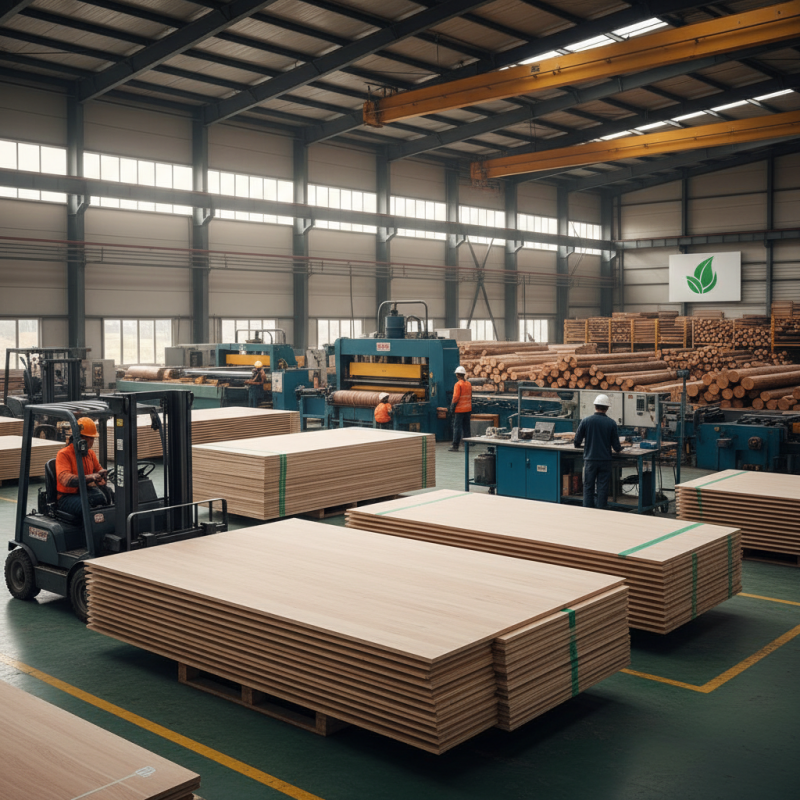
When assessing the production capacity of plywood factories, several factors come into play. It's essential to understand their output capabilities. A factory's daily production rate can influence your project timeline significantly. Some factories may boast high numbers, but can they deliver consistently? Look for details on their machinery and workforce. This information can reveal much about their ability to meet demands.
Lead times are another critical factor. A factory might produce large quantities, but how quickly can they deliver? You may need to consider their current workload and potential delays. Establishing clear communication can help clarify timelines. Asking for estimated delivery dates upfront is wise. Yet, be prepared for unexpected changes. Production schedules can shift, and being understanding can foster better relationships with suppliers.
Think about your specific project needs. Will the factory’s capacity align with your timeline? Have they handled similar projects before? Sometimes, factories may overpromise to secure a deal. It’s crucial to dig deeper. Trust your instincts when something feels off. Balancing production capacity and lead times is not just about numbers; it is about reliability and trust in your chosen factory.
Comparing Pricing Structures and Payment Terms Among Manufacturers
When selecting a plywood factory, understanding pricing structures is crucial. Different manufacturers may approach pricing in various ways. Some may offer a lower base price but have higher shipping costs or hidden fees. Others might include additional services, making their quote seem higher initially. It’s essential to evaluate what is included in the price.
Payment terms can vary significantly, impacting your project’s budget. Some factories require upfront payments, while others offer flexible financing options. If cash flow is a concern, seek manufacturers that provide net payment terms. Always read the fine print to identify any potential pitfalls, like penalties for late payments.
Tips: When comparing quotes, request a detailed breakdown of costs. This allows better visibility into what you are paying for. Don’t hesitate to ask questions about ambiguous fees. Some manufacturers might be open to negotiation. Seek references from past clients to gauge reliability. This might take time, but it’s worth it.
Consider the factory's reputation alongside pricing. If a manufacturer offers low prices but has poor reviews, think twice. It might lead to delays or subpar quality. Balancing cost with quality is essential for a successful project.
How to Choose the Right Plywood Factory for Your Project? - Comparing Pricing Structures and Payment Terms Among Manufacturers
| Factory Location |
Plywood Type |
Price per Sheet (USD) |
Minimum Order Quantity |
Payment Terms |
Lead Time (Days) |
| Location A |
Birch Plywood |
$30 |
100 Sheets |
30% Deposit, 70% Before Shipping |
15 |
| Location B |
Pine Plywood |
$25 |
200 Sheets |
50% Upfront, Net 30 Days |
20 |
| Location C |
Marine Plywood |
$45 |
50 Sheets |
100% Advance Payment |
30 |
| Location D |
Hardwood Plywood |
$35 |
150 Sheets |
30% Deposit, Balance on Delivery |
25 |
Examining Customer Service and Support Offered by Plywood Suppliers
When choosing a plywood factory, customer service is vital.
Good communication with suppliers can make your project much smoother. Ask potential suppliers about their support options. Do they offer assistance during big orders? How accessible is their team when questions arise? These factors can reveal a lot about their commitment.
Look for responsiveness in their answers. A quick reply often indicates a dedicated team. Try calling them or sending an email. Pay attention to how they treat you. Are they patient and informative? You deserve to work with someone who values your needs. Some factories may lack experience in customer support. This can lead to frustration later.
Additionally, consider after-sales support.
Will they help you if issues come up after delivery? A factory that stands by its product can save you stress.
Remember, even the best factories can falter. Reflect on your experiences and be honest about what works for you.
Good customer service isn't just a bonus; it's essential.