How to Choose a Top China OSB Factory?
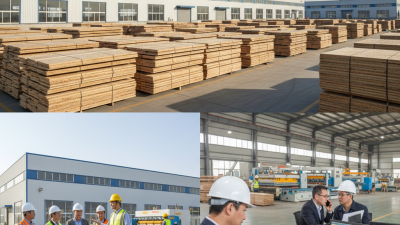
Choosing a reliable China OSB Factory requires more than comparing prices on a supplier website. Factory photographs can look impressive. Production reality may differ.
Dr. Zhao Ming, an OSB quality consultant, explains, “A trustworthy factory proves consistency before it promises volume.” This principle should guide every buyer. Examine the raw strands, resin system, hot-press records, and sanding process. Ask where the wood comes from. Then request recent laboratory reports, not only marketing certificates.
A serious factory can explain its board grades clearly. It should discuss thickness tolerance, density, moisture content, bonding strength, and formaldehyde emissions. These details matter when panels face humid warehouses, construction sites, or long-distance shipping. Check whether testing follows relevant standards, such as EN 300, and whether local market requirements are understood.
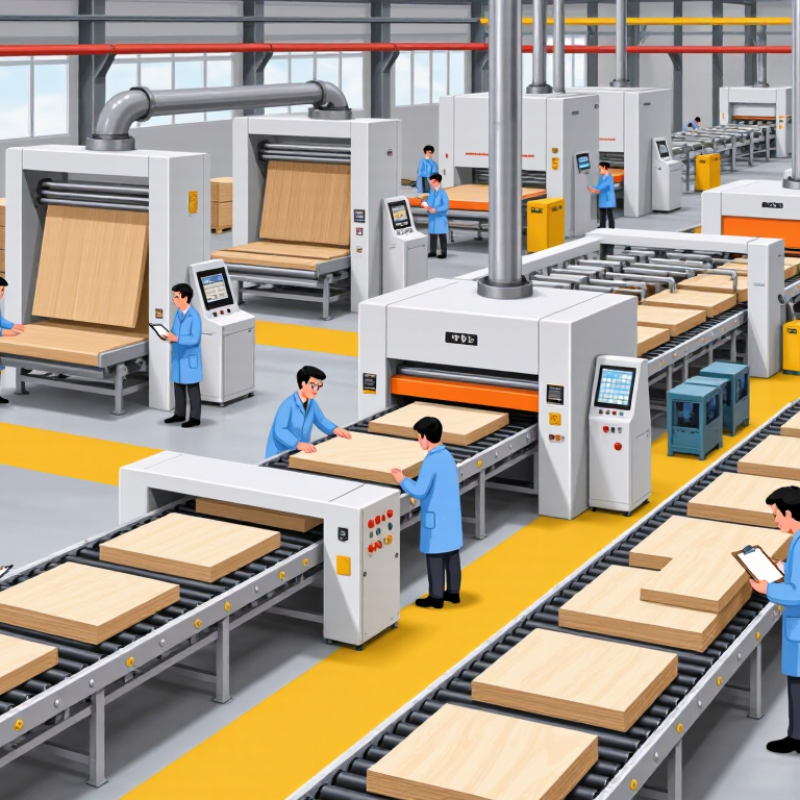
Visit the production line if possible. Watch how strands are screened, dried, blended, formed, and pressed. Look for clean storage areas and readable batch labels. Poor labeling creates avoidable problems. So does careless packaging.
A factory audit should include worker training, equipment maintenance, quality records, and complaint handling. Ask for a sample from regular production, not a specially prepared board. Test it independently when the project is important.
No checklist is perfect. I might still overlook a hidden weakness during one visit. However, repeated evidence builds confidence. Compare samples from different batches. Speak with previous customers when permission is available. The right China OSB Factory will answer difficult questions patiently, reveal limitations, and provide traceable evidence instead of making impressive promises alone.
Define Your OSB Product Requirements and Quality Standards
Before contacting a China OSB factory, define the panel’s job in measurable terms. Record thickness, length, width, density, surface finish, moisture range, and required edge profile. State whether the boards will face roofing, furniture, packaging, or interior construction conditions. Each use changes the acceptable swelling, bending, and screw-holding performance. Do not rely on “premium” as a specification. Write numbers instead.
Set quality standards before comparing quotations. Identify the applicable product standard for your market and specify the required OSB grade. Include limits for thickness tolerance, moisture content, bonding strength, formaldehyde emissions, and dimensional stability. Ask for recent laboratory reports, production samples, and inspection records. The test method matters. A result without its method is difficult to verify. Request samples from different production dates, not only one carefully selected board.
My early purchasing checklists were too general. They sounded professional but left important details unclear. A factory may meet the stated density while missing the required surface quality. During evaluation, inspect cut edges, strand alignment, resin coverage, and packaging protection. Ask how rejected panels are separated and recorded. Clear answers reveal process discipline. Also confirm whether the factory can maintain the same standards during larger orders. A small sample can look excellent, yet production consistency may still require closer monitoring.
Research China OSB Factory Capabilities and Manufacturing Experience
Choosing a top China OSB factory starts with evidence, not attractive photographs.
Research its manufacturing capability through production records, equipment details, and verifiable customer applications. Ask how long the plant has produced OSB, not merely how long the trading company has operated. That difference matters.
Visit the factory, physically or through a live video inspection.
Check the strand preparation area, adhesive mixing system, forming line, hot press, sanding equipment, and packaging process. A capable producer should explain panel thickness tolerances, moisture control, density targets, and production capacity clearly. Request recent test reports for strength, swelling, and emissions. Also review raw material traceability and calibration records. Small details often reveal serious quality habits.
Manufacturing experience becomes clearer through difficult questions.
How does the factory handle winter moisture changes? What happens when a panel fails inspection? Can it maintain stable quality across different thicknesses and surface finishes? Ask for shipment samples from several production dates, rather than one perfect board. I have found that a clean sample may hide inconsistent core bonding. This is easy to overlook. A reliable factory should welcome reasonable audits and provide corrective-action records without defensive language. Still, no factory is flawless. Even strong producers may show occasional sanding marks or packaging weaknesses, so evaluate their response, documentation, and willingness to improve.
Verify Certifications, Raw Materials, and Production Quality Controls
How to Choose a Top China OSB Factory?
A reliable OSB factory should provide verifiable certifications, not scanned badges on a website. Request the certificate number, issuing body, validity period, and covered production site. Check whether the certificate applies to OSB panels, not another product line. Standards such as EN 300, ASTM requirements, or formaldehyde emission rules may apply to different markets. Scope matters. A certificate alone proves less than many buyers assume.
During a factory visit, inspect the raw material route from log yard to forming line. Ask about wood species, moisture content, strand size, and resin type. The supplier should explain how materials are sourced and recorded. Responsible forestry documentation can support legality and traceability. Look for covered storage areas, calibrated moisture meters, and clearly labeled batches. Wet strands can create weak bonding and uneven thickness. This detail is easy to miss.
Production quality controls should appear on the floor, not only in a presentation. Check dryer temperature records, blending ratios, press pressure, and board density data. Ask how often operators test internal bond strength, bending strength, thickness swelling, and emissions. Retained samples and third-party laboratory reports add useful evidence. I would also inspect edge trimming and packaging. Small handling damage can become a serious complaint after shipping. Some factories have excellent equipment but incomplete records. That gap deserves direct questions.
How to Choose a Top China OSB Factory
Verify certifications, raw materials, and production quality controls against recognized product requirements—not only marketing claims.
The chart shows EN 300 reference requirements for OSB/3 mechanical performance by principal direction.
Confirm that the factory’s test reports identify the product grade, test method, production site, test date, and independent or properly calibrated laboratory.
Certification Verification
Check certificate validity, holder name, issuing body, product scope, manufacturing-site address, surveillance status, and applicable chain-of-custody documentation.
Raw Material Control
Review wood species, strand geometry, moisture content, resin system, wax addition, formaldehyde-emission classification, and incoming-material inspection records.
Production Quality Controls
Confirm documented controls for mat forming, resin distribution, press temperature, pressure and time, thickness calibration, sanding, moisture, dimensional stability, and final testing.
Evaluate Samples, Communication, Contracts, and Long-Term Reliability
Choosing a top China OSB factory starts with physical samples, not polished photographs. Request panels from current production, with declared thickness, density, moisture resistance, and surface finish. Cut an edge and inspect strand orientation, voids, swelling, and layer consistency. Weigh several pieces; unusual variation may reveal unstable pressing. Ask for test reports from an independent laboratory, and verify report dates against product specifications. A sample can look excellent. It may still hide batch variation.
Communication reveals technical discipline. Send the same drawing and tolerance sheet to several factories. Compare how clearly they answer about adhesive type, press temperature, packaging, and loading limits. Good engineers ask useful questions before quoting. Confirm whether one person owns your project and how quickly problems are recorded. Video calls help, but written confirmation matters more. I once accepted a confident verbal promise and later found a packaging detail missing. That mistake delayed installation and cost more than expected.
The contract should state panel dimensions, tolerances, grades, test methods, inspection rights, replacement terms, and delivery responsibilities. Define what happens when moisture readings exceed the agreed range. Include approved sample references, not vague phrases such as “premium quality.” Before a large order, inspect a trial shipment or use a qualified third-party inspection. Track response times, claim handling, and repeat-batch results over several orders. A factory may pass one inspection and still disappoint later. Reliability is measured in ordinary weeks, not impressive meetings.