2026 How to Choose the Right OSB Manufacturer for Your Project?
Choosing the right OSB manufacturer is crucial for project success. Oriented Strand Board (OSB) accounts for approximately 70% of the North American structural panel market, according to a recent report by the American Forest & Paper Association. This widespread use highlights the need for high-quality materials, as they directly impact structural integrity and safety.
When selecting an OSB manufacturer, consider their production capacity and industry reputation. Top manufacturers often comply with strict quality standards, such as the APA and the International Organization for Standardization (ISO). However, not all manufacturers may maintain consistent quality, leading to potential project setbacks. Understanding the manufacturer’s certifications and product testing history is essential.
Moreover, some manufacturers may not perform adequately under certain conditions. Factors like moisture resistance and durability should be evaluated. Ensure the chosen manufacturer provides detailed product specifications and application guidelines. This diligence will minimize risks and enhance project outcomes, reinforcing the importance of making an informed decision on the right OSB manufacturer.
Understanding OSB: Definition and Key Characteristics
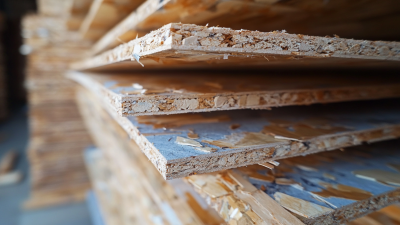
Oriented Strand Board (OSB) is a versatile engineered wood product. It is made from strands of wood that are bonded together with adhesives. This process results in a strong, durable panel used in construction and manufacturing. The key characteristics of OSB include its structural integrity, moisture resistance, and cost-effectiveness. Reports indicate that OSB can have a bending strength comparable to plywood, making it a popular choice for builders.
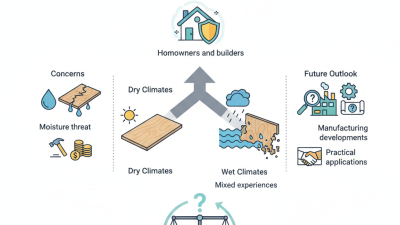
According to data from the APA – The Engineered Wood Association, OSB prices have seen fluctuations, affecting project budgets. In regions where lumber supply is constrained, OSB typically costs less than conventional plywood. This makes it an attractive option for many construction projects. However, some builders express concerns about the long-term durability of OSB in high-moisture environments. It's essential to assess the specific needs of each project before choosing OSB over other materials.
Understanding OSB's environmental impact is crucial. About 95% of the wood used in OSB production can come from fast-growing, renewable sources. This aligns with the industry's push for sustainable building materials. However, it's important to scrutinize the practices of manufacturers. Not all OSB products are created equal, and selecting a reputable manufacturer that prioritizes sustainability is vital for future-oriented projects.
Factors to Consider When Choosing an OSB Manufacturer
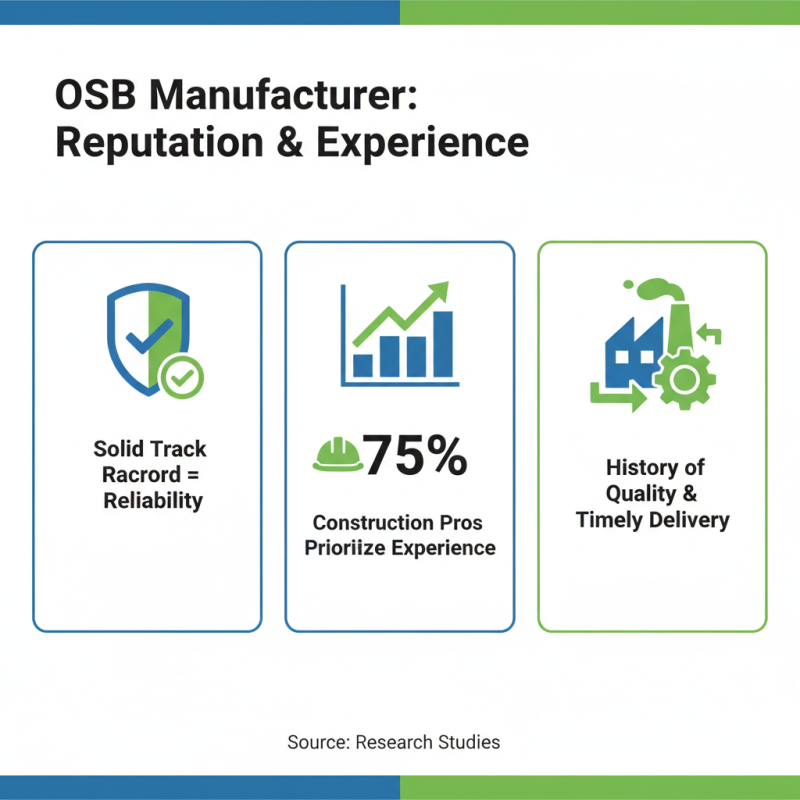
Choosing the right OSB (Oriented Strand Board) manufacturer is vital for the success of your construction project. Start with assessing the manufacturer’s experience in the industry. Research shows that companies with over 20 years of experience tend to deliver higher quality products. Look for certifications like APA (Engineered Wood Association) which ensure compliance with strict performance standards.
Quality control is another crucial factor. A reliable manufacturer should demonstrate rigorous inspection processes. Data from recent industry reports indicate that manufacturers with strong quality assurance practices experience 30% fewer product failures. This can prevent costly delays and rework on your project.
Consider the sustainability practices of your chosen manufacturer. The OSB industry increasingly emphasizes eco-friendly sourcing. Some reports indicate that 74% of consumers prioritize eco-friendly products. Even if your project does not require it, choosing a sustainable option can enhance your brand’s reputation. In addition, reflect on the location of the manufacturer. Proximity can affect shipping costs and delivery times. Always review and weigh these factors to make an informed decision.
2026 - Factors to Consider When Choosing an OSB Manufacturer
| Criteria |
Importance Level |
Comments |
| Quality Certifications |
High |
Look for ISO and other relevant certifications. |
| Production Capacity |
Medium |
Ensure the manufacturer can meet your project's scale. |
| Delivery Times |
High |
Timeliness is crucial for project schedules. |
| Cost Competitiveness |
Medium |
Compare prices but ensure quality isn’t compromised. |
| Customer Support |
High |
Strong support can facilitate smoother operations. |
| Sustainability Practices |
Medium |
Consider manufacturers focusing on eco-friendly production. |
| Range of Products |
Medium |
A diverse product range can offer more flexibility. |
Comparing Quality Standards and Certifications
When selecting an OSB manufacturer, understanding quality standards and certifications is crucial. This aspect significantly affects the performance of OSB in construction projects. Various organizations set standards to ensure materials meet safety and reliability needs. Familiarize yourself with these benchmarks, such as the APA's performance standards or the European standards EN 300. Each certification provides insight into the material's durability and structural integrity.
Checking for third-party testing can add another layer of assurance. Look for evidence of lab tests that evaluate moisture resistance and load-bearing capabilities. Not all manufacturers might prioritize these certifications, which raises concerns about quality. Sometimes, budget constraints lead to choices lacking these essential documents. This approach may save costs initially but can lead to higher expenses over time due to repairs or replacements.
Being aware of the manufacturer’s history is valuable. Researching their production methods can reveal their commitment to quality. A long-standing manufacturer may have a proven track record. However, newer companies can also offer innovative solutions. Balance these factors to make an informed decision. Not every certification might be relevant to your specific needs. Reflect on which qualities are non-negotiable for your project’s requirements.
Comparison of OSB Manufacturer Quality Standards