How to Choose Formwork Plywood at the 139th Canton Fair?
At the upcoming 139th Canton Fair, industry experts will gather to discuss the essential factors in selecting "Formwork Plywood." John Smith, a renowned expert in construction materials, emphasizes, “Choosing the right plywood can dramatically impact project efficiency and safety.” With a focus on construction and building materials, attendees will find valuable insights on this topic.
Formwork Plywood is crucial for construction projects. It's not just about strength; durability and cost-effectiveness matter too. Visitors will learn how to distinguish quality products amid choices. With 1.55 million square meters of exhibition space, navigating can be challenging. AI-driven tools will assist buyers in finding certified suppliers, enhancing their experience.
However, selecting the right Formwork Plywood still poses challenges. Misunderstanding specifications can lead to poor choices. Some manufacturers may prioritize profit over quality, risking structural integrity. It's essential for buyers to stay informed and perform due diligence. This fair provides an opportunity to address misconceptions and better understand the significance of quality in Formwork Plywood.
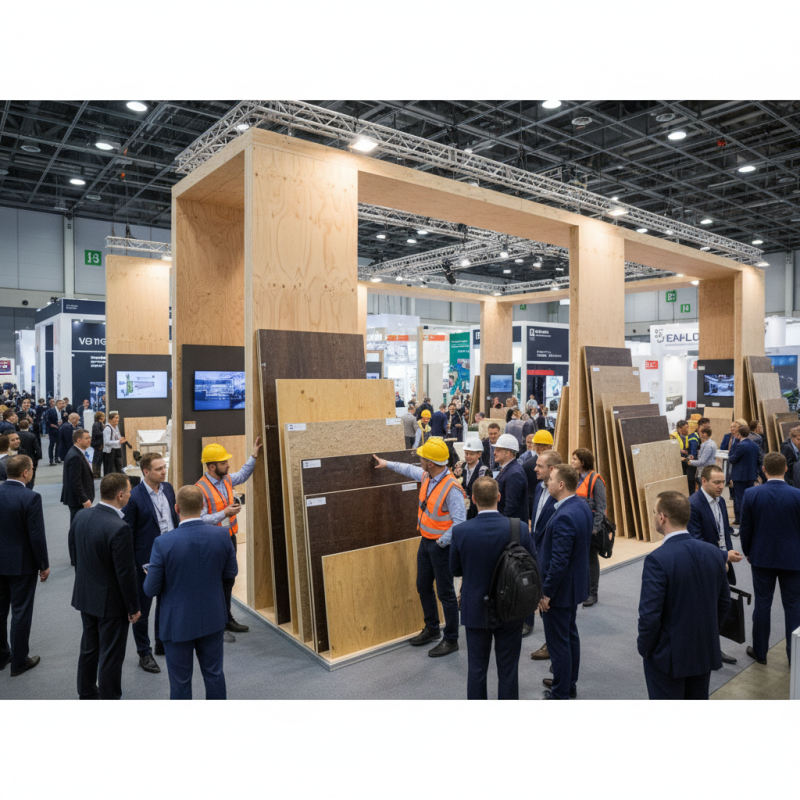
Importance of Choosing the Right Formwork Plywood
Choosing the right formwork plywood is essential for construction projects. The quality of plywood affects the overall integrity of the concrete structure. Using subpar materials can lead to increased costs and delays. It’s crucial to consider the project’s specific needs before making a decision.
One key aspect is the durability of the plywood. It should withstand harsh weather conditions and resist warping. Pay attention to thickness and grade. Not all plywood is created equal. Look for options that offer better resistance to cracking and splitting. Yet, cheaper alternatives might tempt you. The risk of compromising quality can be high.
Tips: Test samples before purchase. Look for signs of defects. Always prioritize quality over cost. Consult with professionals if unsure about choices. Ask about the sourcing of the plywood. This can reveal quality insights.
Don’t overlook environmental factors. Some woods may expand or shrink in different climates. Keep this in mind when selecting materials. Again, consider feedback from previous projects. Reflect on what worked and what didn’t. Learning from past mistakes can lead to better choices.
Importance of Choosing the Right Formwork Plywood
Key Factors to Consider When Selecting Formwork Plywood
Choosing the right formwork plywood at the 139th Canton Fair can significantly impact your construction projects. It’s essential to assess various factors during the selection process. A study by the International Building Materials Association highlights that nearly 70% of construction failures are linked to inadequate formwork. Understanding the key aspects can help mitigate such risks.
Quality is paramount. Look for plywood that is durable and resistant to moisture. The thickness should align with your specific project needs. Many experts suggest a thickness of at least 18mm for heavy loads. This ensures stability and reduces the likelihood of warping.
Tips: Always check for certifications that guarantee quality. Visit multiple suppliers to compare products.
Consider the type of timber used in the plywood. Different species offer varied strength and durability. Some reports indicate that birch plywood yields one of the highest strength-to-weight ratios in the market. However, cost can be an issue. Reflect on your budget versus the long-term benefits.
Tips: Analyze your project's lifecycle. Opting for higher-quality plywood can save costs in the long run.
Take time to review product specifications thoroughly. Pay attention to joint design, as poor connections can lead to leaks and structural failure. Engaging with industry professionals can provide valuable insights that enhance your selection process.
Types of Formwork Plywood & Their Applications
When selecting formwork plywood, it's essential to understand the various types available. Each type serves different applications in construction projects. For instance,
phenolic plywood is renowned for its durability and water resistance. Reports indicate that phenolic plywood can sustain moisture exposure much better than traditional options, enhancing longevity in rainy climates.
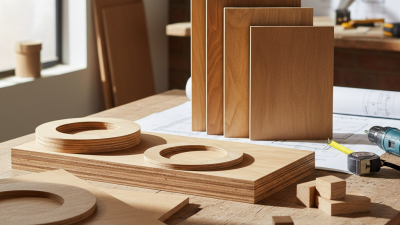
Another type, birch plywood, is often used for its smooth surface. This makes it ideal for applications requiring high-quality finishes. Its strength complements its visual appeal, making it popular among architects. Notably, birch plywood tends to be lighter, yet it can support substantial loads — a key advantage in scaffolding systems.
However, not all plywood is created equal. Factors like thickness, grain, and surface treatment play crucial roles in performance. The right choice requires balancing quality and cost. Some buyers may overlook the differences in durability and end up with cheaper options, leading to project delays. Recognizing the specifics of each plywood type can help avoid misunderstandings and adjustments during construction.
Evaluating Quality and Durability of Plywood
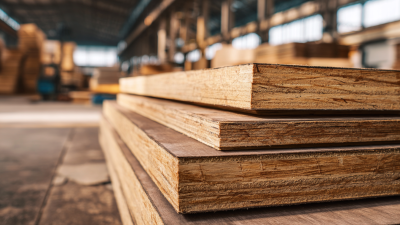
When selecting formwork plywood at the 139th Canton Fair, assessing quality and durability is crucial. Look for plywood with a smooth surface. This can indicate better performance during use. Examine the edges as well. Well-finished edges may suggest a higher quality product. Durability is vital for formwork, where strength and resistance to moisture matter greatly.
Check the thickness of the plywood. Thicker panels often withstand heavy loads better. However, some thinner options might be appealing for lighter applications. Don’t shy away from asking suppliers about the plywood’s grade. Sometimes, sellers may not provide all necessary details. It’s wise to compare material options. Different wood types can impact performance and lifespan.
Pay attention to how the plywood feels. Heavier sheets often mean better quality. However, flimsy options may mislead you. Trust your instincts; if something feels off, it usually is. Always inquire about past user experiences. Hearing real stories can guide your decision. Ultimately, choosing the right plywood requires careful evaluation.
Sourcing Formwork Plywood at the Canton Fair: Tips and Strategies
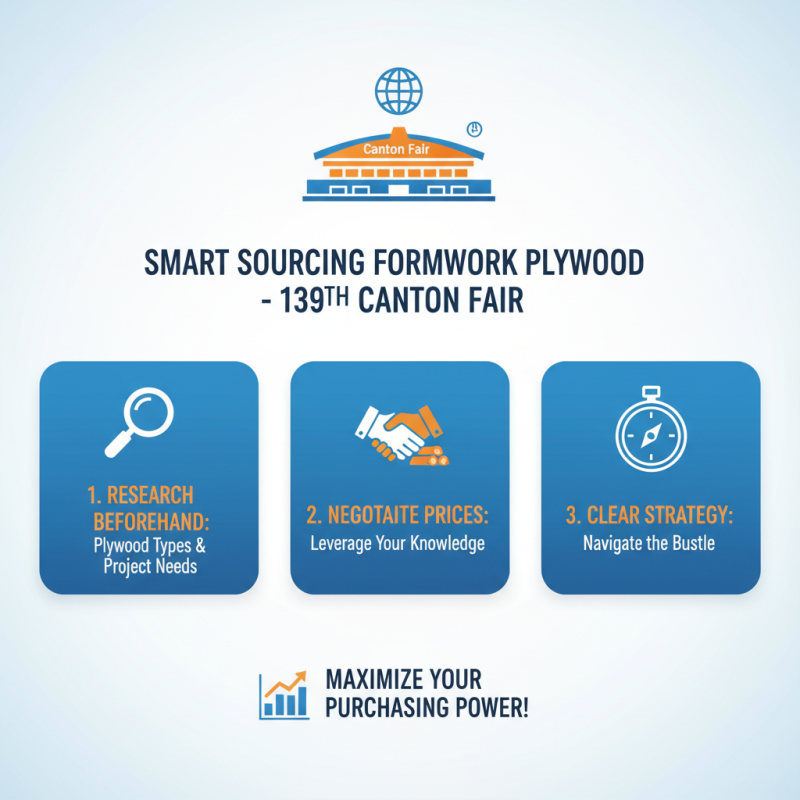
When sourcing formwork plywood at the 139th Canton Fair, it's vital to have a clear strategy. The fair is bustling and can be overwhelming. Start with research before attending. Understand the types of plywood you need for specific projects. This knowledge gives you leverage when negotiating prices.
Tip: Bring samples of the plywood you currently use. Comparing these with potential options at the fair will help you assess quality. Also, note the weather conditions. Humidity can affect plywood, so check how vendors store their products. Look for signs of moisture or warping.
Another tip: Engage with multiple suppliers. Don't settle for the first offer. It’s easy to feel pressured, but take your time. Ask questions that dig deeper, like the sourcing of materials and manufacturing processes. This reflection can save you from costly mistakes later. Keep an open mind; there may be unexpected finds.