How to Choose China Film Faced Plywood for Your Projects?
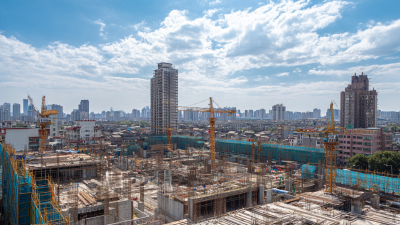
Choosing the right materials for construction projects is vital. Among these, China Film Faced Plywood stands out due to its durability and versatility. According to a recent industry report, the demand for film faced plywood in Asia is projected to grow by 8% annually. This growth underscores the importance of selecting high-quality materials for long-term projects.
Expert in the plywood industry, Dr. Li Wang, emphasizes, "Choosing the right China Film Faced Plywood can greatly affect project outcomes." His insights reflect the critical nature of material selection, where functionality meets cost-effectiveness.
While many overlook the details, understanding specifications is essential for any project manager. Recognizing the balance between price and quality is a challenge. Not all China Film Faced Plywood meets the same standards, just as not all suppliers offer reliable service. As projects evolve, so must our choices, ensuring a future of structural integrity.
Understanding China Film Faced Plywood: Key Features and Benefits
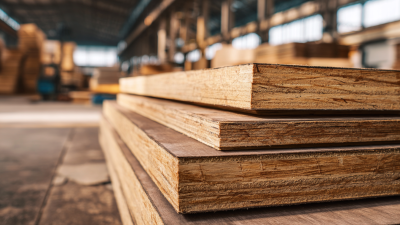
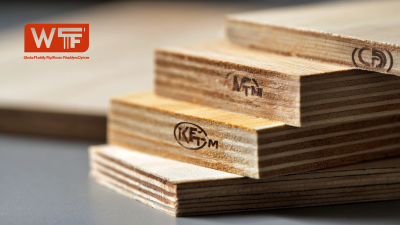
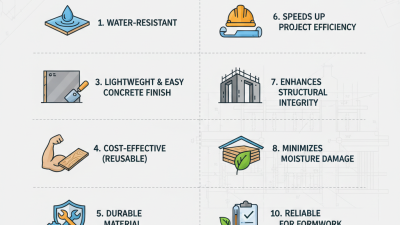
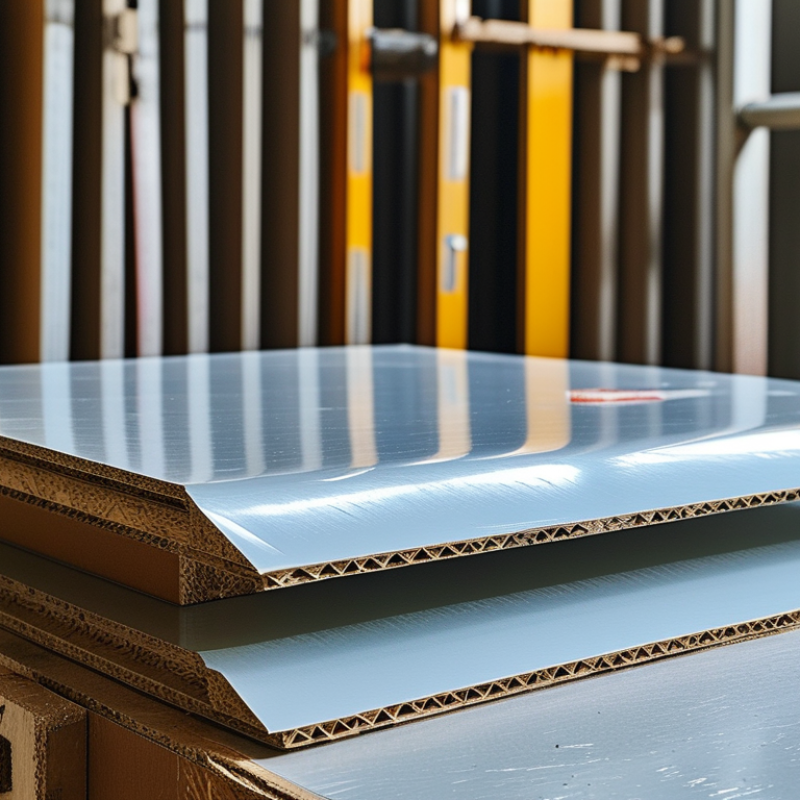
China film faced plywood is a popular choice in construction and furniture projects. It features a smooth surface coated with a durable film, making it ideal for both structural and aesthetic purposes. The plywood is resistant to water, which minimizes the risk of damage from moisture. This quality makes it suitable for use in various environments, including humid areas. Moreover, its robustness ensures longevity, reducing the need for frequent replacements.
When selecting film faced plywood, consider the thickness and grade. Thicker plywood provides additional strength, while high-quality grades offer better durability. Pay attention to the core material as well, as this impacts load-bearing capacity. Aesthetically, the film can come in different colors and finishes, allowing customization for specific design needs.
Despite these advantages, users should be aware of potential downsides. Not all plywood may meet the same standards, resulting in variations in performance. It’s crucial to research suppliers and seek samples before purchasing. Consider the intended use and environment to ensure you make the best choice for your project.
Identifying Your Project Needs: Size, Thickness, and Durability Requirements
When selecting China film faced plywood, understanding your project's specific needs is crucial. You must consider size, thickness, and durability. Plywood sheets typically come in various sizes, such as 4x8 feet or custom variations. Opting for the right dimensions can minimize waste during installation, saving cost and resources.
Thickness matters significantly. Standard thickness options range from 4mm to 21mm. Projects demanding heavy loads require thicker sheets for sufficient support. Reports indicate that plywood with at least 12mm thickness performs better in load-bearing applications. However, using thinner sheets may suffice for lighter constructions, showcasing a need for clear project specifications.
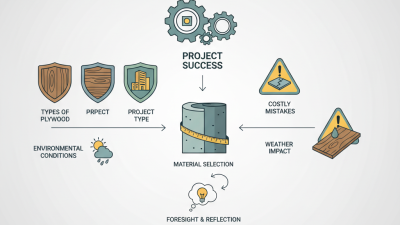
Durability is vital for ensuring longevity. Film faced plywood typically boasts a film that enhances water resistance and creates a protective barrier. Some studies reveal that high-quality film faced plywood can endure exposure to moisture for prolonged periods. However, it's essential to assess environmental conditions. Poor quality options can warp or delaminate, leading to potential safety concerns. Balancing these factors requires careful consideration and, at times, a willingness to reevaluate initial preferences.
Evaluating Quality: How to Inspect China Film Faced Plywood
When evaluating the quality of China film faced plywood, several crucial factors come into play. One significant aspect is the thickness of the film face. A thicker film typically offers better resistance to moisture and physical wear. According to industry reports, a minimum thickness of 120 grams per square meter is often recommended for optimal performance. Buyers should also check how well the edges are sealed, which can prevent delamination over time.
Another critical area is the glue used in the plywood lamination. Plywood made with high-quality adhesives has enhanced durability and moisture resistance. Research indicates that utilizing plywood with E0 or E1 grade adhesives reduces formaldehyde emissions, promoting a safer environment. However, not all manufacturers adhere to these standards. It’s essential to confirm certification before purchasing.
Visual inspections can also provide valuable insights. Look for uniformity in color and texture. Discrepancies may indicate poor manufacturing practices. It's wise to assess the surface for any imperfections or bubbles. Even slight flaws can affect the final project quality. Remember that the aesthetic appeal is often a reflection of the underlying craftsmanship, and understanding these nuances can guide you toward a more informed decision.
Choosing the Right Supplier: Factors to Consider for Reliability
Choosing the right supplier for China film faced plywood is crucial for your project's success. Reliability plays a key role in this decision.
When evaluating suppliers, start by examining their experience. A supplier with a solid track record in the industry is often more trustworthy.
Check their customer reviews and feedback. Positive testimonials can indicate reliability, while a lack of them may raise concerns.
It's also important to assess the quality of materials they provide. High-quality plywood should meet international standards and specifications.
Request samples to evaluate their workmanship. Don't hesitate to ask about their sourcing practices. Understanding where and how they procure their materials can shed light on their integrity.
Price is another factor, but it shouldn’t be the sole focus. An unusually low price may suggest compromised quality.
Weigh the costs against the value you’ll receive. Think about the long-term implications of your choice. Building a relationship with a dependable supplier can save both time and resources.
Cost vs. Quality: Making an Informed Decision for Your Budget
When selecting China film faced plywood, balancing cost and quality is essential. Many projects depend on materials that withstand time. However, cheaper options may compromise durability. Quality plywood often comes at a higher price, but it can save money in the long run by reducing maintenance and replacement costs.
It's crucial to evaluate your project's specific needs. If you are building structures exposed to harsh conditions, investing in high-quality plywood makes sense. This choice can enhance the longevity and safety of your project. On the contrary, if the aesthetic appeal is your sole concern, a lower-cost option might suffice. Just remember that a compromise in quality may lead to unexpected challenges later.
Deciding between cost and quality requires critical thinking. Consider your budget carefully. Sometimes, the initial savings can blur our judgment on quality. Reflect on potential long-term repercussions. A well-thought-out decision can lead to a successful project that stands the test of time. Recognizing your priorities will guide you to the right choice.