Why Choose a China Osb Factory for Your Construction Needs
When it comes to selecting materials for construction projects, the choice of supplier can significantly impact both quality and cost-effectiveness. One viable option that has gained traction in recent years is sourcing from a China Osb Factory. Known for their advanced manufacturing processes and commitment to quality, these factories offer oriented strand board (OSB) products that meet international standards while being competitively priced. By understanding the benefits of choosing a China Osb Factory, construction businesses can leverage these advantages to enhance their project outcomes.
In addition to affordability, China Osb Factories are equipped with state-of-the-art technology, ensuring that their products are not only durable but also tailored to specific project requirements. These factories have become key players in the global market, contributing to the efficiency of construction projects worldwide. By opting for materials from a China Osb Factory, builders benefit from a reliable supply chain and consistent product quality, which are essential for successful project completion.
Thus, as the demand for high-quality, cost-effective construction materials rises, exploring the offerings of a China Osb Factory has never been more relevant. This choice can lead to improved project timelines, reduced costs, and an overall enhancement in the quality of construction, making it an attractive option for industry professionals looking to maximize efficiency and value.
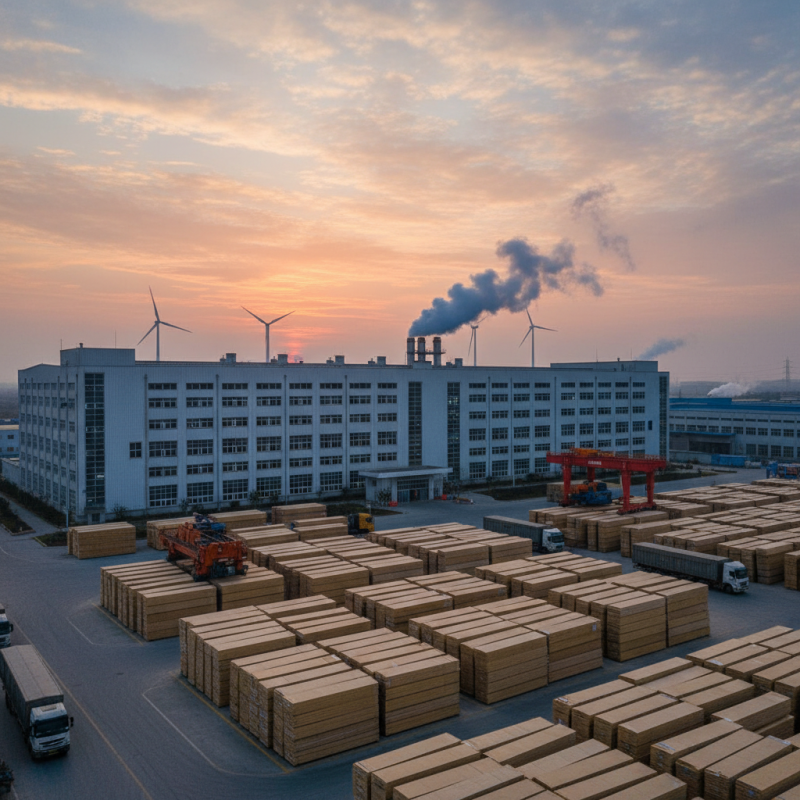
Benefits of Sourcing OSB from China for Construction Projects
Sourcing oriented strand board (OSB) from China offers numerous benefits for construction projects, making it a compelling choice for contractors and builders.
One of the primary advantages is the cost-effectiveness associated with Chinese manufacturing.
The economies of scale in production often result in lower prices compared to Western manufacturers, enabling construction companies to optimize their budgets without compromising on material quality.
This affordability allows for more resources to be allocated to other aspects of the project, enhancing overall efficiency.
In addition to cost savings, Chinese OSB factories typically have advanced manufacturing processes and technology.
This results in high-quality products that meet international standards. Many factories in China invest heavily in research and development to improve their materials, ensuring consistency and durability.
Furthermore, the stringent quality controls enforced during production provide confidence that the OSB will perform well in various construction applications.
The accessibility of a wide range of grades and specifications also allows builders to select the most suitable OSB for their specific needs, ensuring that the final structure meets all necessary safety and performance requirements.
Understanding the Quality Standards of Chinese OSB Production
When considering a China OSB factory for your construction needs, understanding the quality standards of Chinese OSB (Oriented Strand Board) production is crucial. Quality assurance in OSB manufacturing involves compliance with international certifications and adherence to stringent production processes. Factories often undergo regular inspections and testing, ensuring that their products meet the required strength, durability, and environmental standards. This focus on quality not only enhances the reliability of OSB materials in construction but also promotes sustainable practices within the industry.
Tips: When selecting an OSB factory, ask about their quality control measures and certifications. Look for factories that utilize advanced manufacturing technologies and undergo third-party testing to guarantee the performance and safety of their products.
Additionally, it’s essential to consider the sourcing of raw materials. Factories that prioritize the use of sustainably harvested wood strands contribute to both the quality of the OSB produced and the overall environmental impact of construction projects. Always verify that the factory can provide documentation regarding the origin of their materials and any eco-friendly certifications they may possess.
Tips: Request samples from different factories to assess the quality firsthand. Evaluating the physical properties of the OSB, such as its thickness, surface finish, and moisture resistance, can provide insight into the overall quality you can expect for your projects.
Cost Analysis: How Chinese OSB Factories Enhance Budget Efficiency
When considering construction materials, oriented strand board (OSB) has gained prominence for its strength, versatility, and cost-effectiveness, particularly when sourced from China.
One major advantage of choosing a China OSB factory is the ability to enhance budget efficiency. Chinese manufacturers often benefit from cheaper labor costs, streamlined production processes, and bulk procurement of raw materials, allowing them to offer competitive pricing that can significantly reduce overall project expenses.
However, understanding the financial implications of sourcing OSB from China involves more than just low prices. It is crucial to evaluate the total cost of ownership, which includes shipping and logistics, potential tariffs, and quality assurance elements. Investing in proper due diligence can lead to savings in both material costs and subsequent project delays caused by poor quality or miscommunication.
Tips: When collaborating with a China OSB factory, consider establishing clear communication channels and detailed contracts to minimize misunderstandings. Additionally, conduct a risk assessment that evaluates the reliability of suppliers and their market reputation. This proactive approach not only ensures the integrity of your construction project but also solidifies financial prudence through effective budgeting and resource management.
Sustainability Practices of China's OSB Manufacturing Industry
The sustainability practices of China's OSB (Oriented Strand Board) manufacturing industry reflect a growing awareness of environmental responsibility and resource management. As the demand for eco-friendly construction materials increases globally, many OSB factories in China are implementing advanced technologies and methodologies to minimize their ecological footprint. For instance, these factories are increasingly sourcing raw materials from sustainably managed forests. This ensures that the timber used in OSB production is renewable and contributes to the preservation of valuable ecosystems.
In addition to sustainable sourcing, Chinese OSB manufacturers are adopting energy-efficient production techniques and waste reduction strategies. Innovations such as closed-loop water systems and the use of renewable energy sources, like solar and wind, are becoming commonplace. Factories are also investing in recycling leftover materials, which reduces waste and decreases the need for virgin resources. By focusing on these sustainable practices, China's OSB manufacturing industry is not only meeting the growing demand for green building materials but also setting a precedent for responsible manufacturing in the construction sector.
Comparative Review: Chinese OSB vs. Global Competitors in Construction
When considering the construction industry’s demand for oriented strand board (OSB), a comparative analysis of Chinese OSB factories versus global competitors reveals several key advantages. Chinese manufacturers have significantly scaled their production capabilities, enabling them to offer high-quality OSB at competitive prices. This cost efficiency, coupled with the ability to meet larger order volumes, positions Chinese factories as attractive partners for construction projects that require both reliability and budget-conscious solutions.
Furthermore, advancements in technology and manufacturing processes in China have contributed to improved product consistency and performance. Chinese OSB producers have invested in state-of-the-art machinery and adhere to international standards, ensuring that their products can compete with those from established brands in Europe and North America. Additionally, the rapid supply chain development supports shorter lead times, allowing construction businesses to maintain project schedules without long delays. Overall, the combination of cost-effectiveness, quality, and efficient supply logistics makes Chinese OSB an appealing choice for construction needs globally.
Comparative Review: Chinese OSB vs. Global Competitors