2026 Best Uses for Ordinary Plywood in Construction Projects?
In the construction industry, ordinary plywood plays a crucial role. Recent data from the U.S. Plywood Manufacturers Association indicates that over 50% of all construction projects utilize this versatile material. Architects and builders often rely on ordinary plywood for its strength, affordability, and ease of use.
Expert Sarah Johnson, a notable figure in plywood manufacturing, states, "Ordinary plywood's adaptability makes it a staple in both residential and commercial projects." This material is frequently used for floors, walls, and even furniture due to its structural integrity and aesthetics. However, its quality can vary significantly. Not all plywood meets the required standards, leading to potential issues down the line.
As we explore the best uses for ordinary plywood in 2026, it's clear that innovation and sustainability are key. While there are many ideal applications, we must also reflect on the industry’s challenges. Progress in using ordinary plywood effectively requires continuous evaluation of its limitations. Balancing cost, sustainability, and performance is essential for optimal results.
Best Uses of Plywood in Framing and Structural Support in 2026
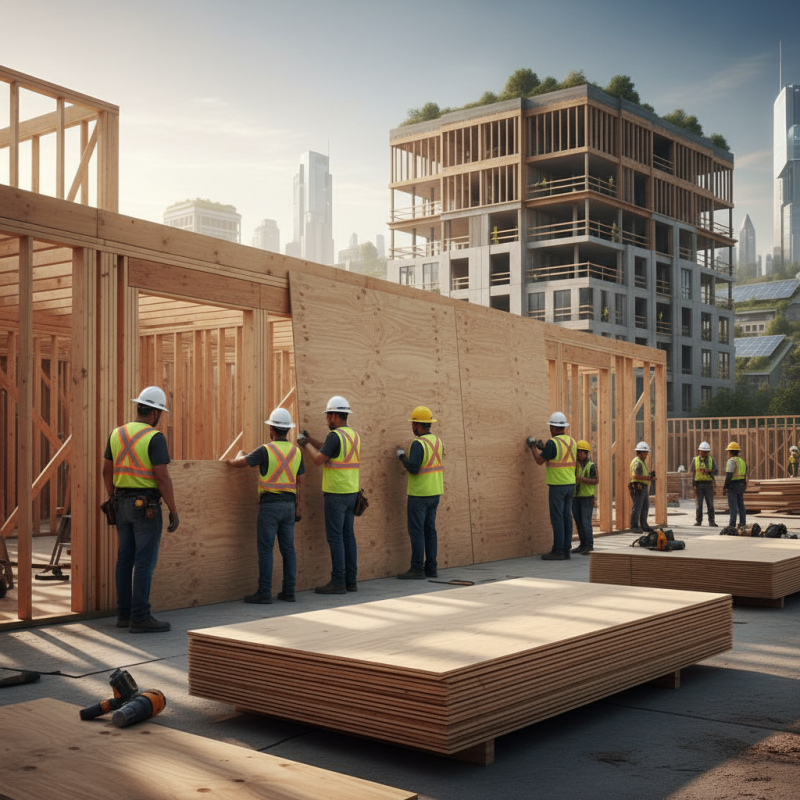
Plywood remains a key component in framing and structural support for construction projects in 2026. Its versatility and strength make it an ideal choice for various applications. According to a recent industry report, the plywood market is projected to grow by 4.5% annually. This is driven by rising demand in residential and commercial construction sectors.
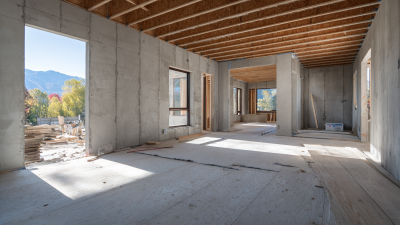
In framing, plywood is commonly used for walls, roofs, and floors. It provides excellent load-bearing capabilities. Structural plywood products can withstand high stress levels, making them reliable. A study found that using plywood can increase structural integrity by up to 30% compared to alternatives. However, it is essential to select the right grade for specific needs; not all plywood is created equal.
Despite its benefits, imperfections can occur. Wood knots, warps, and surface defects may limit its applications. Builders must carefully inspect sheets to avoid issues later in the construction process. Understanding how to optimize plywood use can lead to cost-effective solutions. Yet, proper handling and installation techniques are crucial for maximizing its value in any project.
Innovative Applications of Plywood in Interior Design and Finishing
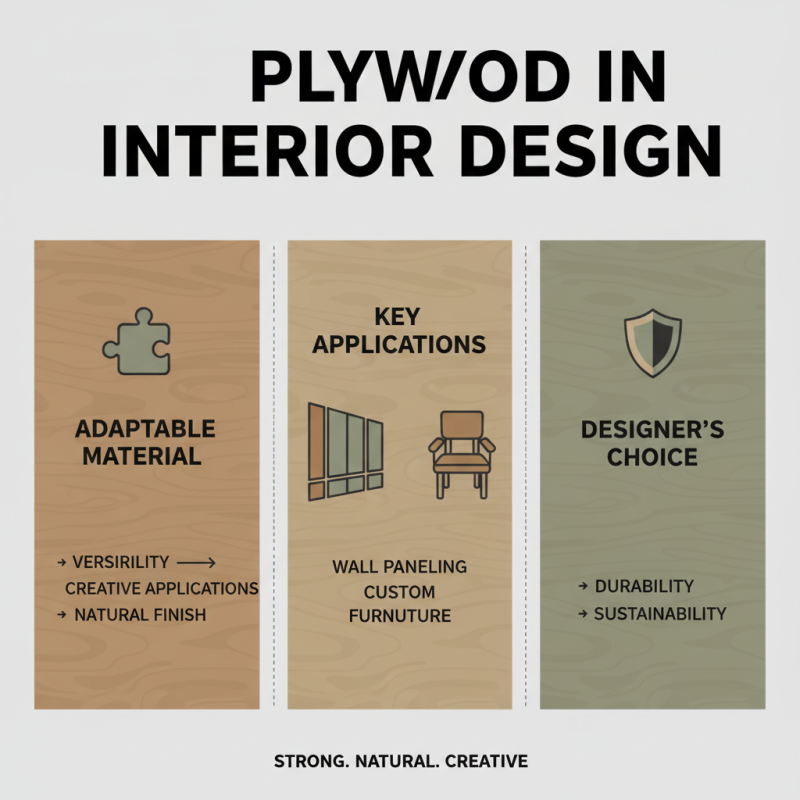
Plywood is an adaptable material in interior design. Its versatility allows for numerous creative applications, from wall paneling to custom furniture. Designers often choose plywood for its durability and natural finish.
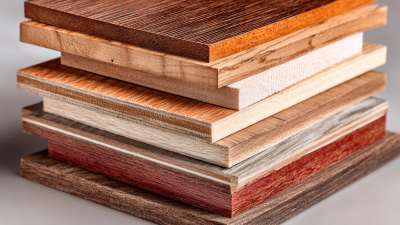
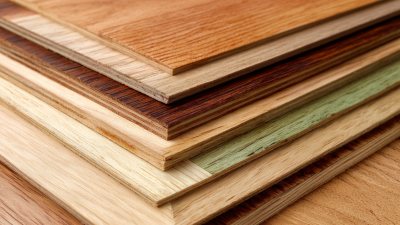
One innovative use is in accent walls. Plywood adds warmth to a space. Different wood grains can change a room's atmosphere. Consider mixing finishes for an eclectic look. Thicker plywood sheets can create a bold statement, while thinner panels add subtle design elements.
Tips: When selecting plywood, think about texture. A rough finish can add character. Smooth surfaces provide a sleek, modern feel. Always test samples in your lighting for true color representation. While plywood offers many benefits, it may require maintenance over time. Reflect on your design choices; some combinations may not work as expected.
Another interesting application is furniture design. Plywood lends itself well to modern furniture with clean lines. Chairs, tables, and shelving can be easily crafted from this material. It's cost-effective and offers unique designs that can fit any room. Consider how furniture placement interacts with your overall design vision.
Utilizing Plywood in Sustainable Construction and Eco-Friendly Practices
Plywood plays a crucial role in sustainable construction. It is versatile and eco-friendly. In recent years, research highlighted that the use of plywood can reduce the carbon footprint of construction projects by 14%. This is significant, given the construction industry's contribution to global carbon emissions. Innovative designs using plywood can optimize material use, minimizing waste and ensuring efficient use of resources.
Many builders are now choosing sustainably harvested plywood. This choice supports responsible forestry practices. Studies show that using certified wood reduces harmful impacts on the environment. Moreover, plywood's natural insulation properties can improve energy efficiency in buildings. A report indicated that using high-quality plywood could lower heating and cooling costs by up to 25%.
Yet, challenges remain. Not all plywood is created equal. Low-quality options might not meet sustainability standards. It is vital to scrutinize suppliers to ensure eco-friendly practices. Additionally, while plywood is renewable, its lifecycle needs evaluation. Professionals should consider end-of-life options for plywood in their designs. Making decisions based on comprehensive data will lead to better environmental outcomes.
2026 Best Uses for Ordinary Plywood in Construction Projects
| Use Case |
Benefits |
Sustainability Aspect |
Cost Efficiency |
| Flooring |
Durable, easy to install |
Recyclable material |
Cost-effective compared to hardwood |
| Wall Paneling |
Aesthetic appeal, sound insulation |
Locally sourced timber reduces transport emissions |
Lower cost than alternatives like drywall |
| Furniture Making |
Customizable, durable furniture |
Sustainable forestry practices |
Affordable material for high-quality finishes |
| Formwork |
Effective for shaping concrete structures |
Reusable and recyclable post-use |
Low-cost option for construction |
| Shelving and Storage Solutions |
Easy assembly, strong load-bearing |
Can be crafted from recycled wood |
Less expensive than metal options |
Cost-Effective Solutions: Plywood in Temporary Structures and Scaffolding
Plywood is an unsung hero in construction. It’s versatile and economical, making it ideal for temporary structures and scaffolding. Builders often rely on it for its strength and ease of use. When planning your next project, consider how plywood can play a crucial role.
Using plywood for scaffolding provides stability. It can be easily cut to fit various dimensions. For temporary structures, plywood can be assembled quickly. This feature reduces labor time and costs. Always ensure it is secured properly to avoid hazards.
Tips: Choose a thicker plywood for heavy-duty use. Check for warps or flaws before purchasing. Regular maintenance of your plywood structures is vital. Replace any damaged sections promptly to ensure safety. Plywood may not be perfect, so continuous assessment is key.
Enhancing Acoustic and Thermal Performance with Engineered Plywood Solutions
In modern construction, engineered plywood offers remarkable advantages, especially for acoustic and thermal performance. This material is versatile and enhances sound insulation in residential and commercial spaces. When used in walls and ceilings, it can significantly reduce noise transmission. The tight bonding of layers in engineered plywood creates a dense barrier that absorbs sound waves effectively.
Consider using plywood panels in recreational spaces. These areas often face noise challenges. Installing plywood systems helps maintain a quieter environment, allowing for more enjoyable activities. The warmth from plywood also improves thermal performance. It retains heat during winter, making spaces cozy.
Tips: Choose thicker plywood for better sound insulation. Pay attention to the installation techniques, as they can affect overall performance. Seamless integration with insulation materials is crucial for maximizing energy efficiency. Also, remain mindful of environmental impacts. Reflect on sourcing materials from sustainable sources.