What are the Best Tips for Using Osb Board Sheet?
Using Osb Board Sheet can be a game-changer in various construction and DIY projects. This versatile material offers durability and affordability. However, many users often overlook its unique features. Understanding the best tips for using Osb Board Sheet can significantly enhance your experience.
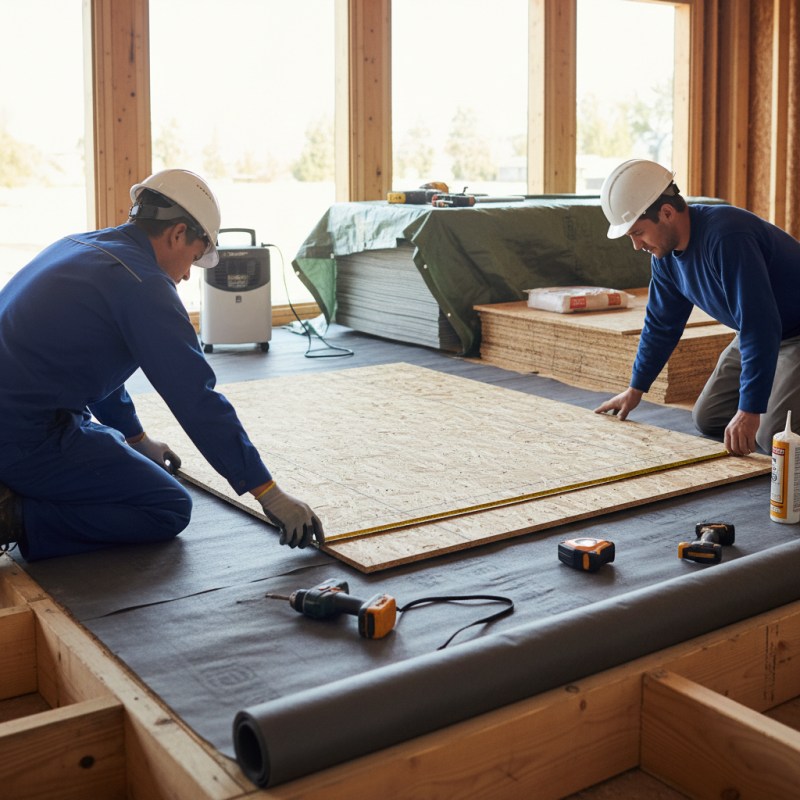
Consider how you prepare the surface before installation. Many rush this step, resulting in uneven finishes. It is crucial to measure precisely as even minor errors can affect the final outcome. A well-prepared base allows the Osb Board Sheet to adhere better during installation.
Furthermore, think about the environmental conditions. Osb Board Sheet is sensitive to moisture. Users often neglect this aspect and face issues later on. Protecting your Osb Board Sheet from water damage is essential. Keep in mind these details as you explore methods to maximize the potential of your Osb Board Sheet.
Understanding OSB Board: Definition and Uses
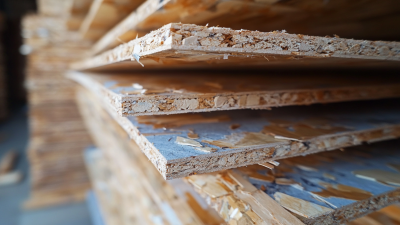
OSB board, or oriented strand board, is a popular engineered wood product. It is made of wood strands bonded together with adhesives and pressed into sheets. OSB is widely used in construction. It's a cost-effective alternative to plywood.
One key advantage of OSB is its strength. According to the Wood Products Council, OSB has comparable strength to plywood, making it suitable for structural applications. Builders often use OSB for walls, roofs, and floors. However, moisture exposure can weaken OSB. This means proper sealing and protective measures are essential when using OSB in high-moisture areas.
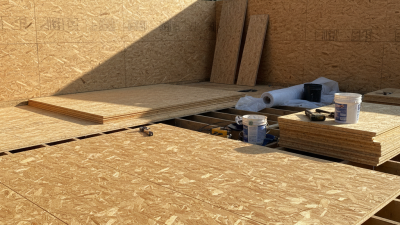
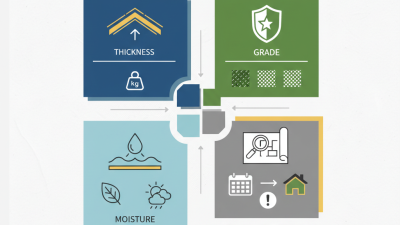
Tips for using OSB board include ensuring proper installation. Make sure to stagger seams for stability. Additionally, use the right thickness for your project. A common mistake is to underestimate the load requirements. Pay attention to local building codes. They often specify minimum requirements for OSB usage. Finally, consider the long-term effects of exposure to elements. OSB can swell if not protected, leading to potential structural issues.
Choosing the Right Tools for Working with OSB Boards
When working with OSB boards, selecting the right tools is crucial.
A circular saw is essential for making straight cuts. It allows for precision and helps avoid
tear-out, which can ruin the edges. Ensure the saw blade is sharp;
dull blades can splinter the board, making your work messy. A jigsaw can also be handy for intricate cuts,
but it requires a steady hand.
Another vital tool is a straight edge or a framing square.
These tools help guide your cuts, ensuring they are straight and accurate. An uneven cut could lead to gaps in your project,
calling for adjustments. Consider using clamps to secure the OSB board while you work.
This simple step enhances safety and improves the quality of your cuts.
Measuring tools are also key in this process. A reliable tape measure prevents errors that can cause problems later.
Mark your measurements clearly on the board to minimize confusion. Mistakes in measurements might lead to wasted material,
which can be frustrating. It is necessary to reflect on your technique continuously
and adapt as needed. Each project offers learning opportunities.
Step-by-Step Guide to Cutting OSB Boards Safely
Cutting OSB boards can seem daunting, but following a few simple tips can ensure safety and efficiency. Always wear safety gear, including gloves and goggles. They protect you from sharp edges and dust. Choose a well-ventilated area to work, as cutting produces fine particles that can irritate your lungs.
Before starting, measure twice and mark the cutting line clearly. Use a straight edge or a square for accuracy. A poor cut can waste material. Make sure your tools are sharp; dull blades can lead to uneven edges. Position the board securely on a stable surface. This prevents it from moving while you cut, reducing chances of accidents.
Remember, using a circular saw or jigsaw requires practice. If you're new, consider making practice cuts on scrap pieces. Reflect on each cut and assess your technique. Learning from imperfections can improve your skills. Cutting OSB boards doesn't have to be stressful, but taking these precautions will make the process easier and safer.
Tool Usage for Cutting OSB Boards
Best Practices for Installing and Sealing OSB Boards
Installing and sealing OSB boards requires careful consideration. Choose the right type of OSB for your project. Ensure you measure correctly before cutting the sheets. Mistakes can lead to wasted materials. When laying out the boards, use a level. This will help maintain a flat surface throughout your installation.
Sealing is just as crucial. Use a high-quality sealant to protect against moisture. Pay extra attention to the edges, as these areas are more prone to water damage. If the sealant spills onto the surface, clean it promptly. Gaps between the boards can be problematic, leading to further issues down the line. Fill any gaps with a suitable filler to prevent moisture infiltration.
Remember, the installation is not always perfect. It’s common to find uneven edges or misalignments. These can be fixed, but it takes time. Reflect on your technique after completion. Are there areas for improvement? Understanding your mistakes will help the next project go more smoothly. The aim is to create a durable and sturdy structure, so take the time to do it right.
Maintenance Tips for Longevity of OSB Boards
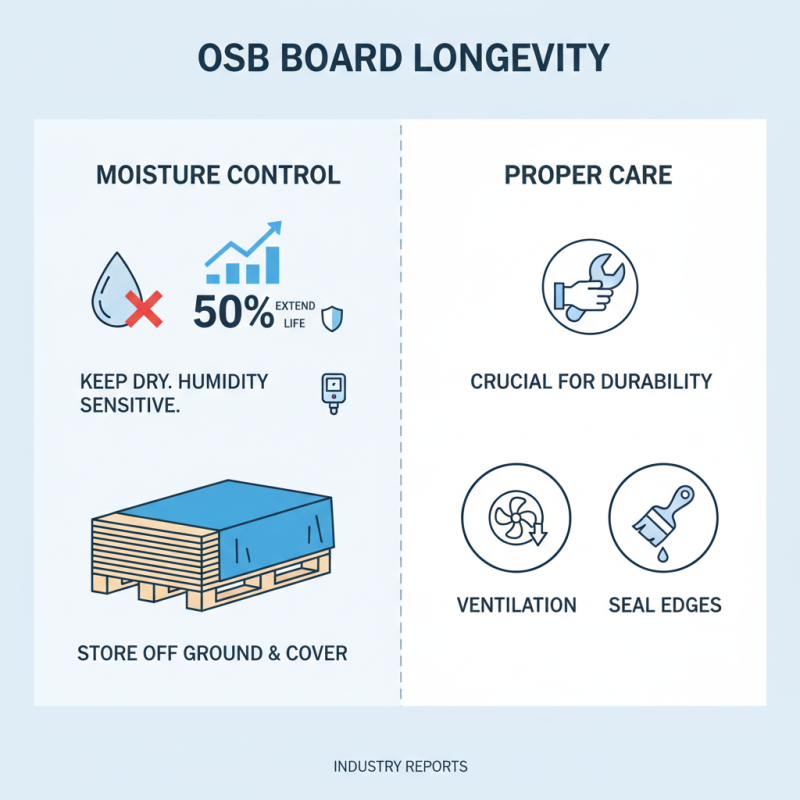
OSB boards are popular in construction and DIY projects. However, maintaining them is crucial for longevity. According to industry reports, proper care can extend the life of OSB boards by up to 50%. One key aspect is moisture control. OSB is sensitive to humidity, so keeping it dry is essential. Store boards off the ground and cover them to prevent water exposure.
Another aspect is regular inspections. Check for signs of damage, especially in high-traffic areas. A small chip can become a serious issue over time. Touch up any exposed areas with sealants to protect against moisture. Additionally, avoid using OSB in places where it may be constantly wet, like bathrooms or outdoor spaces without proper shelter.
Use OSB boards in well-ventilated areas. This reduces the risk of mold growth. In extreme conditions, even well-maintained boards may fail. Some users report issues after just a few years due to neglect. Regular maintenance checks can prevent these problems. Simple actions, like cleaning and inspections, can make a significant difference.