10 Best Tips for Choosing Building Plywood for Your Projects?
Selecting the right Building Plywood is crucial for any construction project. Renowned expert, John Smith, once stated, “Just because it looks good doesn't mean it's the best choice.” This highlights the importance of understanding the material’s properties beyond aesthetics.
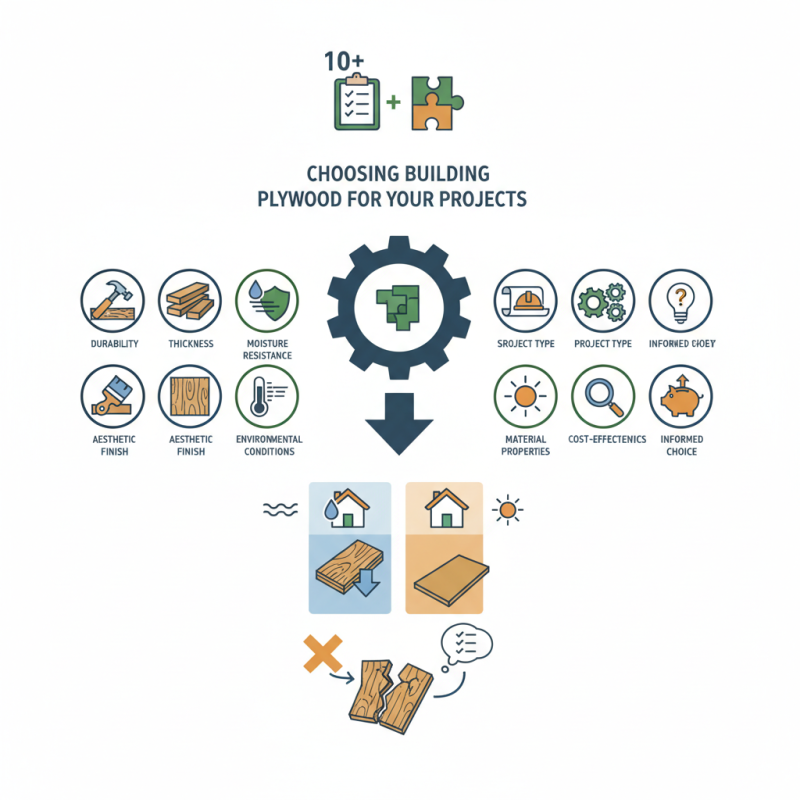
Building Plywood serves various purposes, from structural support to aesthetic finishes. When choosing plywood, consider factors such as durability, thickness, and moisture resistance. Each project has its own demands, and one size does not fit all. For example, plywood used in wet areas should resist water damage more effectively than plywood designed for dry conditions.
Mistakes in choosing the right Building Plywood can lead to costly renovations. Take the time to weigh your options carefully. Not all plywood is created equal, and decisions should be based on the specific requirements of your project. Reflecting on your needs can help guide you toward a more informed choice.
Understanding Different Types of Plywood for Construction Projects
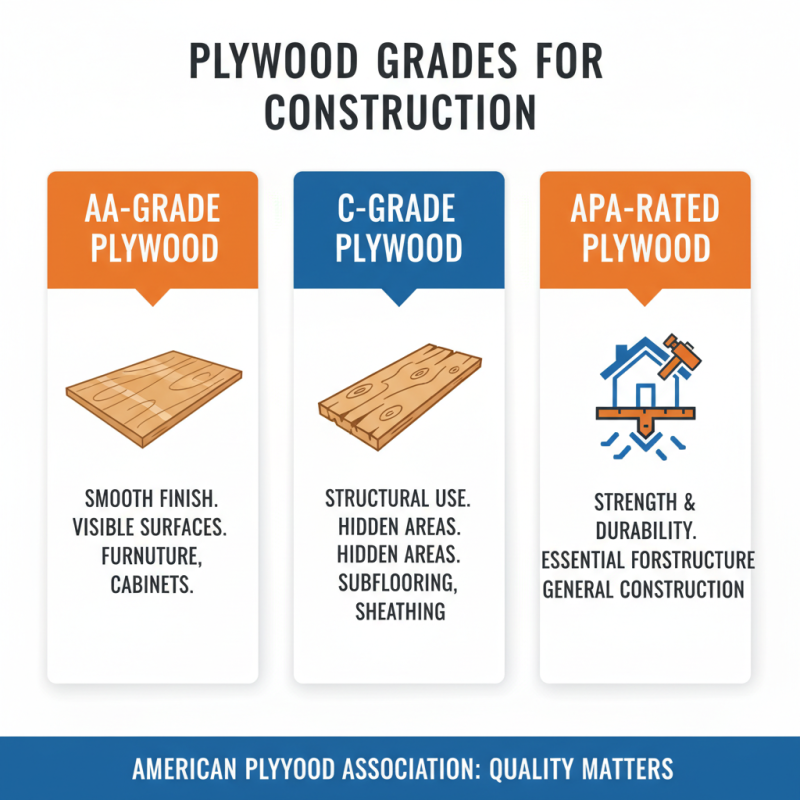
When it comes to construction projects, understanding the different types of plywood is crucial. Plywood is graded based on its quality, which influences its strength and appearance. For instance, AA-grade plywood is ideal for visible surfaces due to its smooth finish. In contrast, C-grade plywood is suitable for structural use, often hidden from view. The American Plywood Association states that good quality plywood provides structural integrity and durability, essential for any construction work.
Different plywood types serve specific purposes. Exterior plywood is designed for moisture resistance, making it perfect for outdoor projects. Interior plywood lacks this feature but offers a beautiful finish for indoor applications. Statistics indicate that improperly selected plywood can lead to project failures, causing delays and increased costs. Therefore, it’s vital to consider the environment and the intended use when selecting plywood.
While many factors influence plywood selection, some common mistakes can occur. For example, opting for lower grades to save costs may compromise structural strength. Additionally, not accounting for humidity levels can lead to warping or delamination. Professionals need to reflect on these aspects to ensure their choice meets both aesthetic and functional requirements for lasting results.
Key Factors to Consider When Selecting Plywood for Durability
When selecting plywood for durability, several key factors come into play. The thickness of the plywood affects its strength. Thicker boards provide better support for heavy loads. Look for a plywood grade suitable for your specific project. Higher grades often indicate fewer defects. This translates to better long-term performance.
Moisture resistance is another vital factor. If the plywood is exposed to elements, choose exterior-grade options. They are designed to withstand moisture and prevent warping. Consider the type of wood as well. Hardwoods generally offer greater durability than softwoods. However, softwood types can still be suitable for less demanding applications.
It’s also important to check the source of the plywood. Sustainable and responsibly sourced materials typically offer better longevity. Some products may boast durability but lack proper certifications. The variance in manufacturing processes can also lead to inconsistent quality. Learning from past experiences with plywood can help refine your choices. Trusting your instincts, combined with research, can lead to better decisions for your projects.
10 Best Tips for Choosing Building Plywood for Your Projects
| Factor |
Description |
Durability Rating (1-10) |
| Material Type |
Choose between softwood or hardwood plywood based on project needs. |
8 |
| Grade |
Select a grade based on aesthetic and structural needs (e.g., A, B, C). |
7 |
| Thickness |
Consider the thickness for strength and application suitability. |
9 |
| Moisture Resistance |
Opt for waterproof or water-resistant varieties for humid climates. |
9 |
| Finish |
Choose pre-finished for lower maintenance and better aesthetics. |
6 |
| Environmental Rating |
Look for eco-friendly options like FSC-certified plywood. |
8 |
| Cost |
Balance quality with budget constraints for overall value. |
7 |
| Application |
Determine if plywood is for structural, furniture, or decorative use. |
10 |
| Installation Requirements |
Ensure ease of installation with compatible dimensions and weight. |
7 |
| Aesthetic Appeal |
Consider the visual impact for final finishes and placements. |
6 |
Evaluating Plywood Grades and Their Impact on Project Quality
Choosing the right plywood for your projects can significantly influence the overall quality and durability. Plywood grades are essential when evaluating options. Each grade reflects the material's quality, appearance, and ability to withstand wear and tear. Typically, grades range from A to D, with A being the highest quality. Grade A has a smooth finish, free of knots or blemishes. This choice adds a polished look to your project.
Using lower-grade plywood, such as grade C or D, may lead to issues later. These grades often feature visible knots and defects. While they are more affordable, they can impact both aesthetics and strength. For example, if you use grade C for furniture, it may not hold up against regular use. Observing the grade helps ensure long-term satisfaction with your project.
Furthermore, the plywood’s thickness affects its performance. Thicker sheets offer more strength but can be heavier and harder to handle. Therefore, consider the intended use and weigh both options. Finding the right balance between quality and cost is not always straightforward. It often involves reflecting on your project needs and making adjustments. Quality plywood is an investment that pays off in the project’s lifespan and appearance.
Choosing the Right Thickness and Size for Your Building Needs
Choosing the right thickness and size of plywood is essential for any building project. The plywood's thickness affects its strength and durability. For structural applications, aim for thicker sheets, typically ¾ inch. This provides the required support for framing and flooring. In contrast, thinner plywood, like ¼ inch, is suitable for decorative projects or lightweight constructions.
Size is equally important. Standard sheets come in 4x8 feet dimensions, but custom sizes are available. Consider the dimensions of your project to minimize waste. Larger panels can reduce seams, which enhances overall stability but can be hard to handle. Weigh the advantages of using fewer, larger sheets against the benefits of smaller, manageable ones.
Another factor to think about is the environment. Plywood is sensitive to moisture. If your project involves outdoor exposure, you need to account for that. Waterproof options exist but check the manufacturer's specifications. Cutting your plywood accurately can prevent unnecessary complications. Be prepared for inaccuracies and measure twice before cutting. Emphasizing careful calculations can prevent disappointment.
Sourcing Quality Plywood: Where to Buy and What to Check
When sourcing quality plywood for your projects, knowing where to buy is crucial. Local lumberyards often have a better selection than big box stores. They can provide expert advice tailored to your needs. Inspecting the plywood yourself ensures you choose the best quality. Look for even surfaces, no knots, and consistent thickness. A good piece feels sturdy and heavy.
Check the plywood’s grade. Higher grades indicate fewer defects and better durability. Don't overlook the grades, as they can affect the outcome of your project. It's advised to buy in bulk for better pricing if you have a large project. However, ensure each sheet matches in quality. Always ask about the source of the wood. Knowing where the material comes from adds a layer of trust.
Not all plywood suppliers maintain the highest standards. Frequent visits to different suppliers can help you recognize reliable sources. Sometimes, the price might be tempting, but consider the longevity of cheaper options. Quality materials lead to better results, which can save you time and frustration later on. When in doubt, do not hesitate to seek guidance from professionals. They can illuminate the intricacies of plywood types and their respective applications.