Top 10 Benefits of Using OSB Board Wood for Your Projects?
When it comes to construction and craft projects, Osb Board Wood stands out as a versatile choice. This engineered wood product offers a blend of strength and durability. Designed with many thin wood strands, it provides remarkable structural support. Osb Board Wood is often used in flooring, walls, and roofs. Its resilience makes it suitable for various applications.
Moreover, using Osb Board Wood can lead to cost savings. Compared to traditional plywood, it is generally more affordable. This affordability makes it an attractive option for both professionals and DIY enthusiasts. There’s also an environmental aspect; Osb Board Wood utilizes fast-growing trees, which can be more sustainable. However, one must consider its limitations, like moisture sensitivity. It requires proper sealing for outdoor use.
In conclusion, understanding the benefits and shortcomings of Osb Board Wood will aid in making informed project decisions. Embracing its benefits while recognizing its flaws is key to successful outcomes.
Understanding OSB Board: Composition and Characteristics
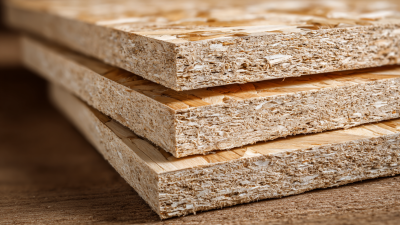
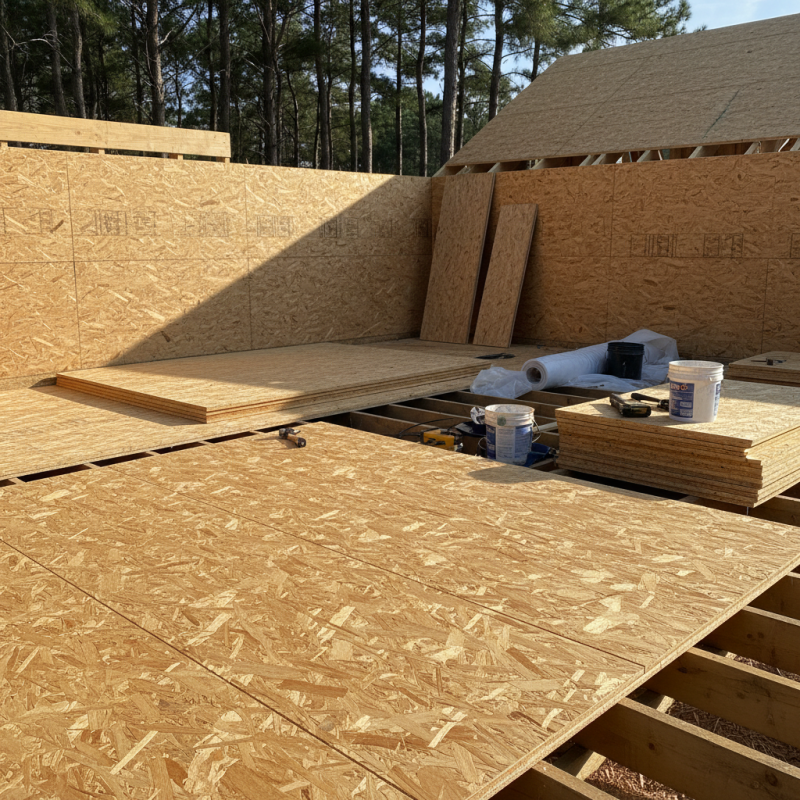
OSB board, or oriented strand board, is a popular choice for many construction projects. It’s made from strands of wood compressed and bonded together with adhesive. This composition gives OSB its unique strength and durability.
One of the key characteristics of OSB is its resistance to warping. It can handle moisture better than some other materials. However, improper storage can still lead to issues. Keep OSB in a dry place before use to prevent swelling.
Tip: When using OSB, consider the thickness. Thicker boards offer better structural support, while thinner options can be used for lighter applications. Another consideration is the edges; seal them before exposure to moisture.
OSB also has a good strength-to-weight ratio. This makes it easier to transport and handle. Yet, it’s important to be mindful of how much weight OSB can bear. Overloading it can lead to bending or breaking.
Tip: Always check the manufacturer's specifications. This will ensure you understand the limits of your OSB. Don’t hesitate to use screws instead of nails for better hold. Proper fastening techniques improve the longevity of your project.
Cost-Effective Solutions: The Affordability of OSB Board
When considering materials for construction projects, OSB board wood is often highlighted for its affordability. According to the Forest Products Laboratory, OSB is significantly less expensive than plywood, making it a go-to choice for many contractors. This price advantage allows builders to optimize their budgets without sacrificing quality.
OSB's cost-effectiveness stems from its production process. The wood strands are bonded together using adhesives, creating a versatile and strong product. In fact, data from the North American Wood Products Association indicates that OSB prices can be 30-50% lower than plywood. This substantial difference means you can allocate resources to other crucial aspects of your project, like labor or finishing touches.
Tip: Always compare local prices. Regional differences can cause fluctuations. Sometimes, OSB might be more affordable in one area than another.
However, it's important to reflect on the potential downsides. OSB is less moisture-resistant than plywood. In high-humidity settings, it may swell or warp. The initial savings can turn costly if you need to replace it sooner than expected.
Tip: Consider the environment of your project. If moisture is a concern, factor it into your material choice. It’s better to invest slightly more initially than to face frequent repairs.
Top 10 Benefits of Using OSB Board for Your Projects
This chart illustrates the benefits of using OSB board in construction and project applications, highlighting its cost-effectiveness relative to other materials.
Versatility in Construction: Applications of OSB Board in Various Projects
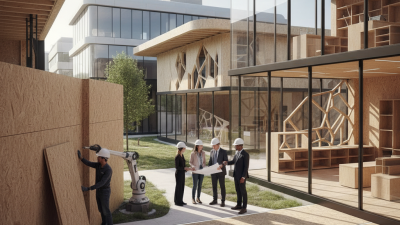
OSB (Oriented Strand Board) has become increasingly popular in construction due to its versatility. This engineered wood product is widely used in residential and commercial projects. According to the Composite Panel Association, OSB accounts for about 50% of the structural panel market in North America. This demonstrates its widespread acceptance among builders and contractors.
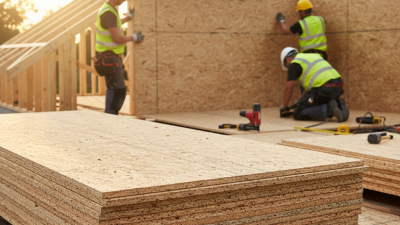
The applications of OSB are diverse. It is often used for flooring, roofing, and wall sheathing. Its strength and durability make it suitable for both new constructions and renovations. In fact, a study by the USDA Forest Service noted that OSB performs as well as plywood in many structural applications. However, it is essential to consider the environment in which OSB is used. When exposed to moisture, it may swell and deteriorate over time.
Moreover, while OSB offers cost benefits, it may require careful considerations during installation. Improper sealing or inadequate ventilation can lead to issues. Understanding these potential drawbacks is crucial for ensuring long-lasting results. Overall, the versatility of OSB board in construction projects cannot be overlooked, yet it demands attention to best practices.
Environmental Benefits: The Sustainability of OSB Board Usage
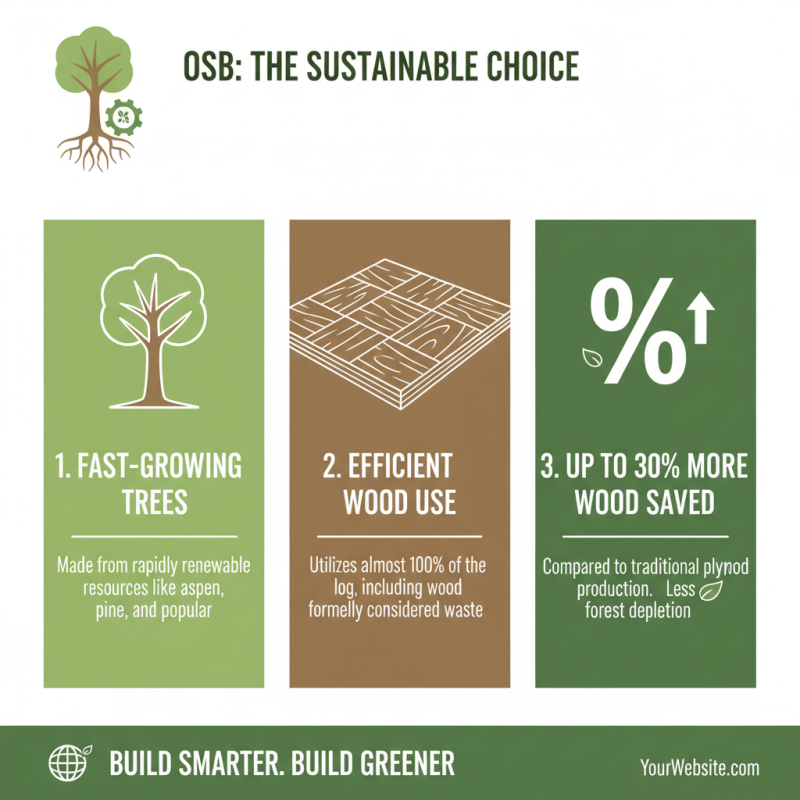
OSB board, or oriented strand board, stands out for its sustainability. Made from fast-growing trees, it utilizes wood efficiently. Studies indicate that OSB production can save up to 30% more wood than traditional plywood methods. This efficiency means less forest depletion.
The process of creating OSB also helps reduce waste in the lumber industry. Manufacturers use wood strands generated from trees that might otherwise go unused. A report from the USDA shows that embracing OSB can decrease the carbon footprint of construction projects significantly. Using OSB supports sustainable forestry practices.
However, there are still challenges. The adhesive resins used in OSB can release volatile organic compounds (VOCs). While many manufacturers strive for lower emissions, complete elimination is not yet achievable. Constant innovation is essential for addressing these concerns. As the industry evolves, it must balance production efficiency with environmental impacts to truly claim sustainability.
Strength and Durability: Why OSB Board is a Reliable Choice for Builders
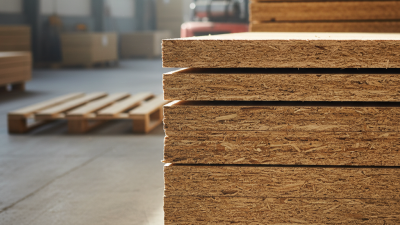
Engineered wood products like OSB board have become staples in the construction industry. Their strength and durability make them an attractive option for builders. OSB, or oriented strand board, is made from layers of wood strands that are glued, compressed, and pressed together. This process enhances its stability, making it a reliable choice for various applications.
One of the biggest advantages of OSB is its resistance to warping and buckling. Builders can rely on it for flooring, walls, and roofs. This material is also cost-effective, which appeals to many contractors. It’s more affordable than traditional plywood while still providing excellent structural integrity. You can feel confident using OSB for residential and commercial projects alike. However, not all OSB boards are made equally; some may lack proper sealing. Ensuring your selection meets quality standards is crucial.
Another noteworthy feature is its weight. OSB is lighter than many alternatives, making transportation and installation more manageable. Builders can save on labor and logistics costs. That said, it's important to consider moisture exposure. OSB is not as naturally resistant to water as other materials, and improperly sealed boards can suffer damage. This means careful planning and execution are necessary to maximize its benefits in construction.