Top 10 Benefits of Using OSB Board Sheet for Your Projects?
In the construction industry, the use of materials significantly impacts project efficiency and cost. One material that has gained traction is the OSB Board Sheet. Renowned expert in structural engineering, Dr. Emily Thompson, once stated, "OSB Board Sheet offers unparalleled strength and versatility for modern builds." This asserts the importance of OSB in contemporary projects.
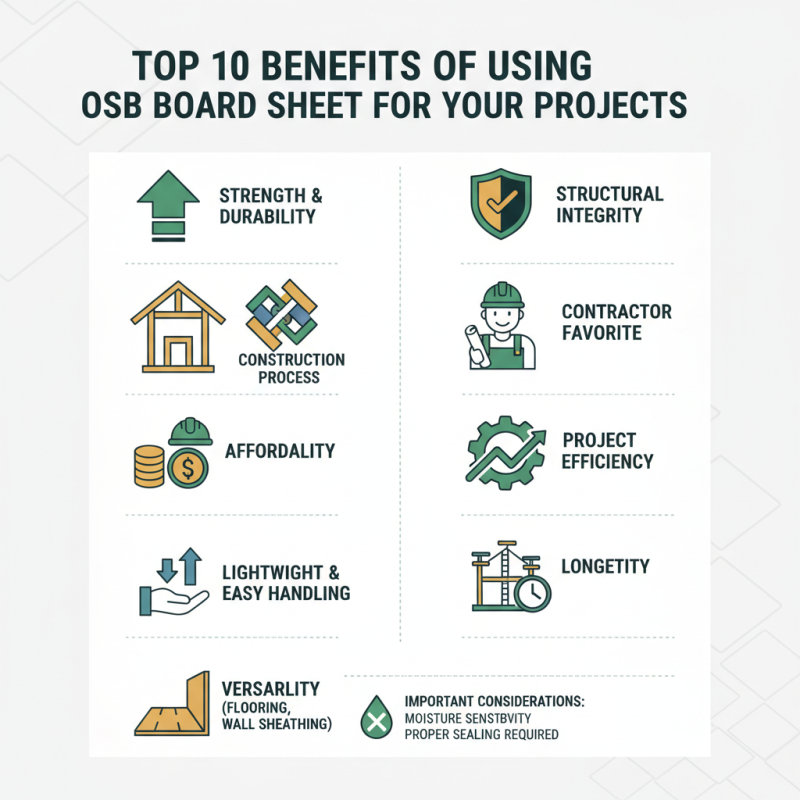
OSB Board Sheet is recognized for its affordability and durability. It is crafted from wood strands, bonded with adhesives under high pressure. This process enhances its structural integrity. Many contractors favor OSB for various applications, from flooring to wall sheathing. Additionally, its lightweight nature simplifies handling.
While there are notable benefits to using OSB Board Sheet, it’s essential to consider its limitations. For instance, prolonged exposure to moisture may weaken its properties. Therefore, proper sealing and protective measures are crucial. Reflecting on these factors enables builders to optimize their use of OSB, ensuring longevity and reliability. The choice of materials like OSB Board Sheet can ultimately define a project’s success.
Overview of OSB Board and Its Composition
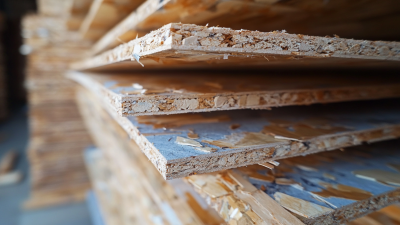
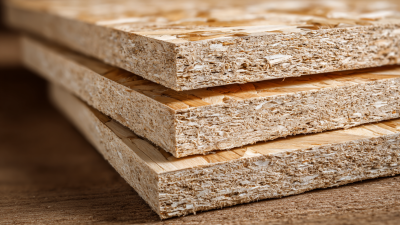
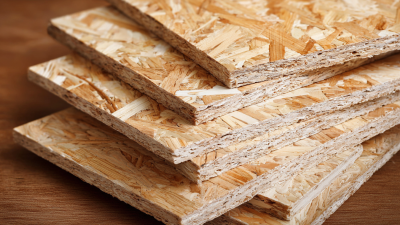
Oriented Strand Board (OSB) is a popular engineered wood product. It is made from layers of wood strands that are bonded together with adhesive. The strands are oriented in specific directions to enhance strength and stability. This composition gives OSB board unique properties that make it suitable for various construction projects.
OSB is often used in walls, roofs, and floors. Its versatility is impressive. Builders appreciate how it performs in both residential and commercial settings. The board is available in large sheets, which can cover extensive areas efficiently. However, while OSB has many benefits, it can be susceptible to moisture. This means proper sealing is essential in humid environments. If neglected, this can lead to warping or damage.
In terms of sustainability, OSB is made from smaller trees and wood leftovers. This approach helps reduce wood waste. Still, some may wonder about the environmental impact of adhesives used in OSB. It is a topic worth exploring further. Overall, OSB offers solid advantages but comes with considerations that demand attention during its use.
Versatility of OSB Board in Construction Applications
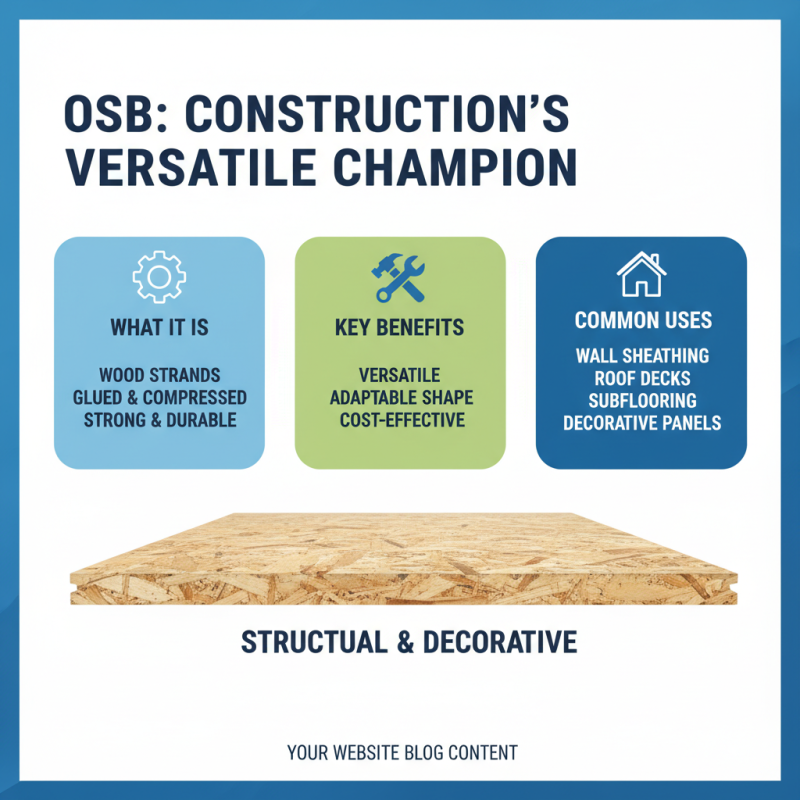
OSB board, or oriented strand board, has become a go-to material in construction applications. It offers immense versatility across various projects. OSB is made from wood strands, glued together and compressed. This unique process creates a strong, durable board that can withstand the rigors of construction. Its ability to conform to different shapes makes it ideal for both structural and decorative uses.
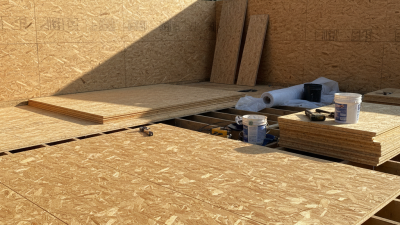
In residential projects, OSB is often used for roof sheathing and wall panels. Builders appreciate its consistent strength and stability. It’s lightweight, making transportation easier. However, challenges can arise in regions with high moisture. OSB can swell or warp if not properly sealed. Choosing the right finish is crucial. Some people overlook this detail, leading to potential long-term issues.
In commercial applications, OSB serves as subflooring and temporary structures. Its cost-effectiveness appeals to budget-conscious builders. Yet, it may not always provide the same aesthetic appeal as plywood. This perception can limit its acceptance in high-end designs. Embracing OSB requires weighing its practical benefits against these aesthetic concerns. Balancing functionality with appearance can sometimes be tricky, but it’s a worthwhile challenge in many projects.
Cost-Effectiveness of Using OSB Board for Various Projects
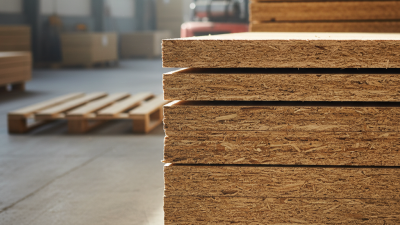
When considering materials for construction projects, OSB board stands out. Its cost-effectiveness is notable. Builders can save a significant amount by opting for OSB rather than more expensive alternatives. This is especially important for large-scale projects where every dollar counts. For instance, using OSB for wall sheathing can reduce costs significantly without sacrificing structural integrity.
OSB board is versatile and suitable for various applications, such as flooring, roofing, and furniture. This adaptability allows for economical use across multiple projects. However, some might question its durability compared to plywood. OSB has a reputation for being heavy, and it may not perform as well in extreme weather conditions. This can lead to worries during rainy seasons. It's essential to consider these factors before deciding. The choice of OSB can sometimes lead to performance trade-offs that require careful thought.
Ultimately, while OSB board offers clear cost benefits, its limitations should not be overlooked. Projects must balance budget with long-term performance. Evaluating the specific needs of your project can guide you toward making an informed choice.
Top 10 Benefits of Using OSB Board Sheet for Your Projects
| Benefit |
Description |
Cost-Effectiveness |
| Durability |
OSB board is strong and withstands external pressures effectively. |
Lower replacement costs due to long lifespan. |
| Versatility |
Suitable for various applications like flooring, wall sheathing, and roofing. |
Reduces costs by serving multiple project needs. |
| Ease of Use |
Lightweight and easy to handle for construction. |
Saves time and labor costs during installation. |
| Eco-Friendly |
Made from recycled wood materials, reducing waste. |
Potential cost savings in disposal fees and eco-friendly certifications. |
| Aesthetic Appeal |
Can be finished or painted to enhance visual appeal. |
Inexpensive materials for custom finishes. |
| Cost Efficiency |
Generally cheaper than plywood for similar applications. |
Lower initial investment leads to reduced overall project budgets. |
| Sound Insulation |
Effective at dampening sound, improving living conditions. |
Saves costs on additional soundproofing materials. |
| Moisture Resistance |
Treated OSB can resist moisture better than traditional wood. |
Reduces likelihood of water damage repairs. |
| Availability |
Widely available in local stores, easy to source. |
Minimizes transport costs due to local sourcing. |
| Custom Sizes |
Available in various sizes to fit all project needs. |
Less waste leads to overall savings on project materials. |
Environmental Benefits of Choosing OSB Board Products
Choosing oriented strand board (OSB) products brings significant environmental benefits. OSB is made from small wood strands, which are bonded together using adhesives. This process maximizes the use of trees and reduces waste.
According to the Forest Products Laboratory, OSB uses about 90% of the wood while traditional plywood may utilize less efficient methods.
By using OSB, projects can lower their overall carbon footprint. The production of OSB consumes less energy compared to solid timber products. A report from the USDA Forest Service shows that OSB can produce up to 30% fewer greenhouse gas emissions. This is crucial in today’s climate-conscious world, where every choice counts.
However, it's essential to reflect on the sustainability of adhesives used in OSB. While many manufacturers are moving toward eco-friendly options, not all products meet stringent environmental standards. Consumers should seek out OSB that claims low VOC and formaldehyde emissions. Being well-informed can help identify products that offer both performance and environmental protection.
Durability and Strength Characteristics of OSB Board
OSB board, or oriented strand board, has become a popular choice in construction and DIY projects due to its remarkable durability and strength. According to industry data, OSB exhibits similar or better load-bearing capabilities compared to plywood. It is made from wood strands that are oriented and bonded together, resulting in a panel that can efficiently handle heavy loads. This is particularly beneficial for flooring, walls, and roofs.
One key aspect of OSB's durability is its resistance to warping and cracking. Unlike traditional wood, OSB maintains its shape even under variable humidity conditions. In fact, tests show that OSB can withstand moisture better than typical particleboard. Many contractors trust OSB for its longevity and performance over time.
Tips: Make sure to store OSB boards in a climate-controlled area to maximize their lifespan. Inspecting the boards for any visible defects before installation is also essential. When cutting or working with OSB, wear appropriate safety gear to avoid inhaling fine particles.
OSB's strength comes from the configuration of its strands. This unique process allows the material to distribute weight evenly, making it suitable for heavy-duty applications. However, it’s important to note that OSB is not as aesthetically pleasing as other materials. Its rough finish may require additional treatment or covering in visible applications. Despite these challenges, the functional benefits often outweigh aesthetic concerns for many users.