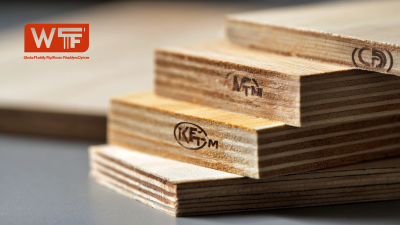
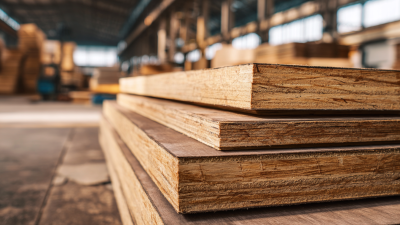
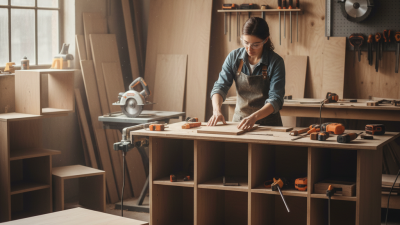
Film Faced Plywood has become increasingly popular in the construction industry. Its unique properties make it a go-to choice for many builders and contractors. This material is designed specifically for concrete formwork, offering a range of benefits that impact project efficiency and durability.
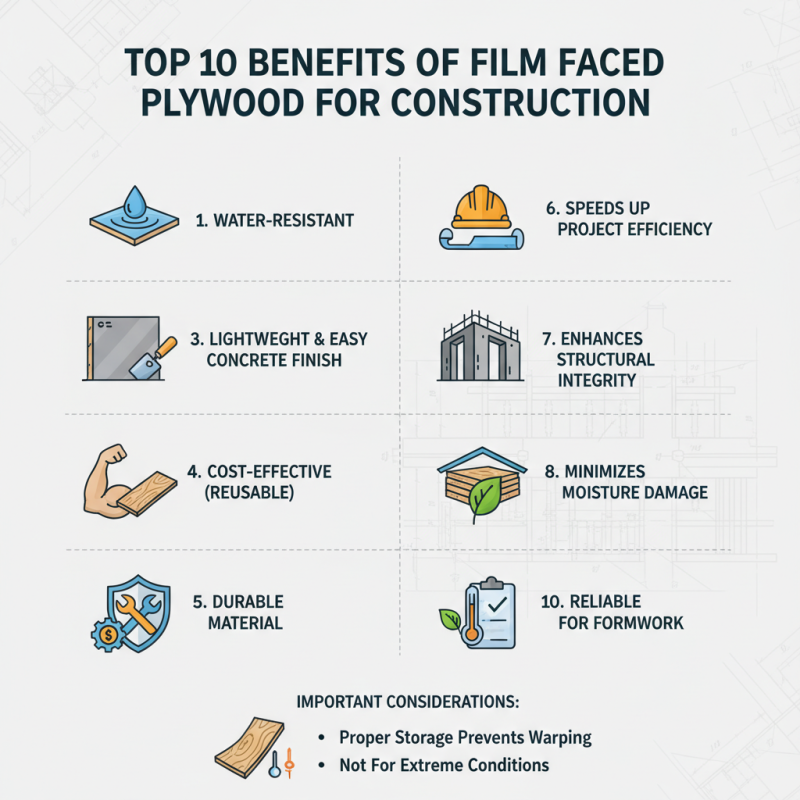
One major advantage of Film Faced Plywood is its water-resistant surface. This feature minimizes damage from moisture during construction. Additionally, it provides a smooth finish for concrete, reducing the need for post-construction treatment. Builders often appreciate its lightweight nature, which allows for easier handling on-site. However, some may overlook proper storage, which can lead to warping or other issues.
Moreover, Film Faced Plywood can be reused multiple times, making it a cost-effective option for businesses. Yet, this requires careful maintenance. The durability of this material is impressive, but it may not always perform well under extreme conditions. Ultimately, the choice of Film Faced Plywood can lead to successful project outcomes, provided that builders are mindful of its limitations.
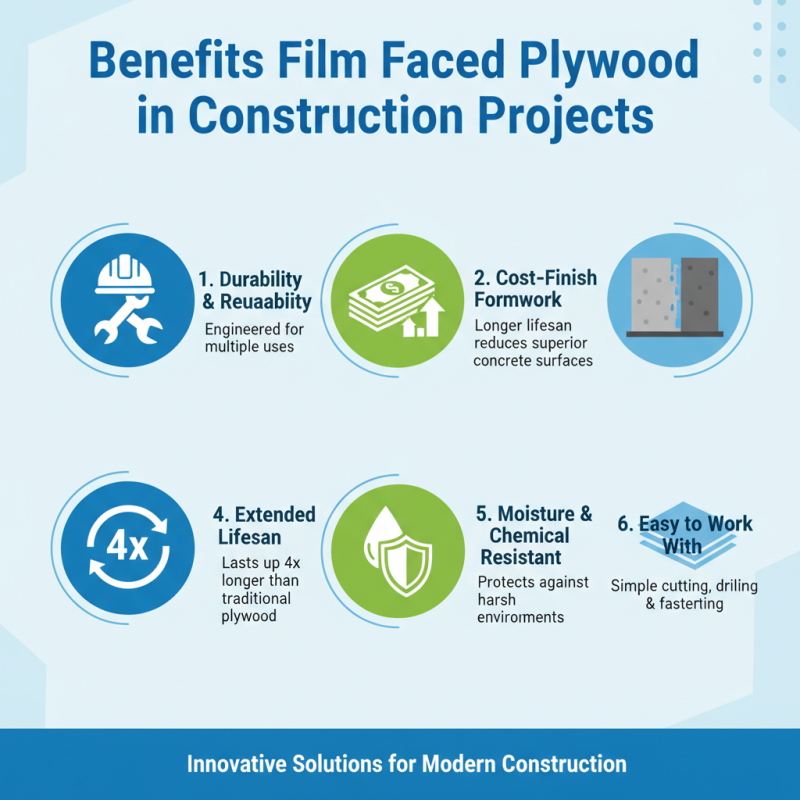
Film faced plywood is gaining recognition in construction projects. Its benefits are diverse and impactful. This material is engineered with a smooth surface and a film overlay, making it ideal for formwork applications. According to industry reports, it can last up to four times longer than traditional plywood in demanding environments. This endurance saves costs over time.
One glaring advantage is moisture resistance. It prevents warping and swelling, crucial for construction where exposure is common. In a study, over 70% of construction professionals reported fewer water-related issues when using film faced plywood. However, it’s essential to recognize some imperfections. If not maintained correctly, it can deteriorate faster.
Tips: Always inspect the edges and surface for damage. Regular maintenance extends life expectancy. Another tip is to choose the right thickness for your project. Thicker plywood offers better durability, but can be heavier and more challenging to handle. Balancing these factors can optimize the benefits, ensuring a smoother operation on-site.
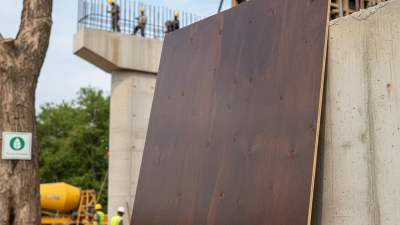
Film faced plywood is a popular choice in the construction industry. Its durability and weather resistance make it ideal for various applications. The special film overlay protects the wood from moisture. This feature prevents warping and swelling, which can occur with traditional plywood.
When exposed to harsh weather conditions, film faced plywood holds up well. It resists rain, humidity, and temperature fluctuations. This quality reduces maintenance costs over time. Construction projects benefit from using this material, particularly in areas with extreme weather. Builders appreciate its longevity.
However, it’s important to note that not all film faced plywood is created equal. Variations in quality exist, which can affect performance. Choosing lower-quality options may lead to issues down the line. Additionally, some may find the installation process more challenging than anticipated. Careful selection and installation are key for achieving the best results.
This chart showcases the top benefits of film faced plywood for construction, rated in percent. The advantages highlighted include durability and weather resistance, making it a preferred choice in various construction applications.
The cost-effectiveness of using film faced plywood in construction is evident through various industry studies. Research indicates that film faced plywood can significantly cut down project expenses by up to 30%. The material's durability and resistance to moisture reduce the need for frequent replacements. This leads to lower lifecycle costs compared to traditional plywood.
Moreover, according to a report by a leading construction consultancy, the labor costs associated with film faced plywood installations are 15% lower. The ease of handling and versatility of this material contribute to faster construction times. A smoother surface reduces finishing costs, saving even more on budget. However, one must consider the upfront investment. While film faced plywood can be more expensive than standard plywood, its long-term savings often justify the expense.
That said, some may still question its environmental impact. The production process can use harmful chemicals, potentially offsetting cost benefits for eco-conscious builders. Nevertheless, many manufacturers are progressing toward more sustainable practices. This evolution in production could change the cost dynamics and environmental footprint in the near future.
Film faced plywood is increasingly popular in construction. Its versatility makes it a preferred choice for many applications. This type of plywood is well-suited for projects like formwork and scaffolding. According to a report by the Wood Products Council, film faced plywood can withstand harsh weather conditions. This resilience is crucial for outdoor usage.
The surface of film faced plywood is smooth and durable. This allows for easy cleaning and reuse. Contractors often opt for this material due to its cost-effectiveness. A study by the International Wood Products Association reveals that using this plywood can reduce project costs by up to 20%. However, it’s essential to evaluate the quality of the product. Not all film faced plywood meets high manufacturing standards.
In construction, the application of film faced plywood can vary from residential to commercial projects. It is flexible enough for different designs and uses. Despite its benefits, some issues may arise with moisture and warping. Proper storage and handling are crucial. Addressing these concerns can enhance its lifespan on-site.
| Benefit | Description | Application |
|---|---|---|
| Water Resistance | Film faced plywood is coated with a protective film that makes it resistant to moisture, prolonging the life of the material. | Suitable for permanent formwork in concrete structures. |
| Durability | The protective film enhances the plywood's strength against wear and tear, making it ideal for heavy use. | Used in high-traffic construction areas. |
| Cost-Effectiveness | Film faced plywood offers long-term cost savings due to its durability and low maintenance requirements. | Ideal for budget-conscious projects. |
| Versatility | It can be used for various applications, including formwork, flooring, and furniture. | Applicable in residential and commercial construction. |
| Ease of Use | Lightweight and easy to handle, making it simple to install and work with. | Used in temporary structures and quick-prototyping projects. |
| Smooth Surface | Provides a clean, smooth surface ideal for finishing work. | Applicable in decorative interiors and exterior facades. |
| Environmental Friendliness | Made from renewable resources and can be recycled after use. | Used in eco-friendly construction projects. |
| Impact Resistance | Withstands heavy impacts which makes it ideal for demanding environments. | Focus on industrial applications. |
| Thermal Insulation | Helps in maintaining temperature and reduces energy costs. | Utilized in sustainable building designs. |
| Easy Maintenance | Requires minimal upkeep compared to other materials. | Suitable for rental or temporary structures. |
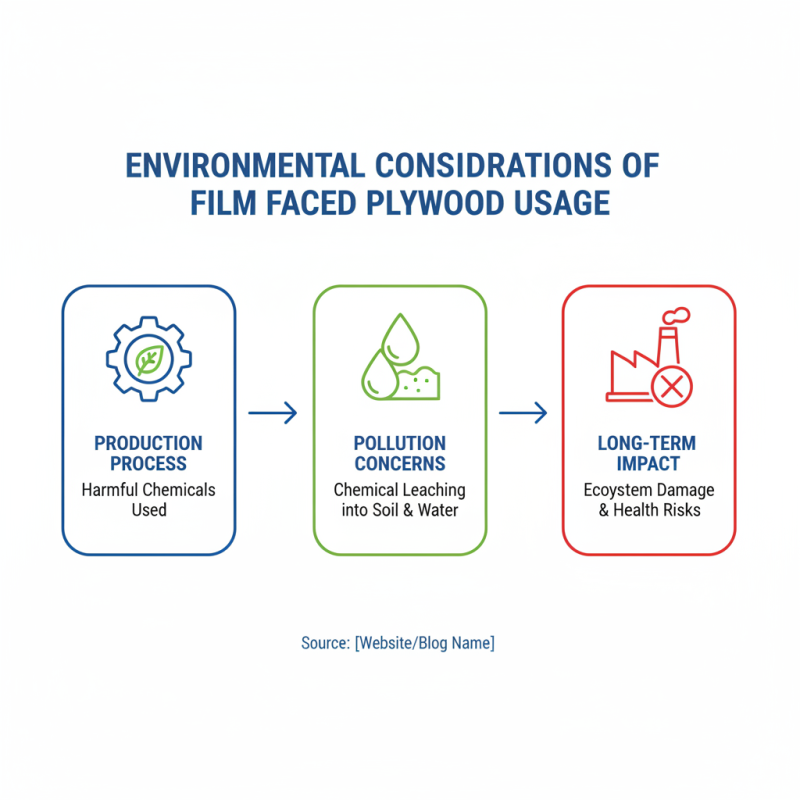
Film faced plywood is popular in construction due to its durability. However, its environmental impact deserves attention. The production process often involves harmful chemicals. These substances can leach into the soil and water, raising concerns about pollution.
Recycling options for film faced plywood are limited. Many construction sites may discard it without considering a sustainable approach. This lack of awareness can contribute to landfill waste. While some manufacturers claim to use eco-friendly materials, the certifications and practices may vary widely.
Using film faced plywood responsibly is crucial. Builders can seek out suppliers who prioritize sustainable practices. Choosing products that ensure low emissions can minimize harmful impacts. Additionally, better education on disposal methods can foster more eco-conscious decisions in the industry. Finding the balance between functionality and sustainability remains a complex challenge for construction professionals.