2026 Best Osb Board Wood Options for Your Next Project?
When selecting materials for your next project, the choice of Osb Board Wood can be crucial. This engineered wood product offers versatility and strength, making it a popular option among builders and DIY enthusiasts. Understanding what sets different types of OSB apart can elevate your project.
Quality matters when considering OSB board wood. Factors like thickness, grade, and resin content influence its performance. Projects requiring durability should lean towards higher-grade options. However, not every OSB board meets high standards. It’s essential to inspect each product carefully and consider its intended use.
In an industry filled with options, distinguishing the best choices can be daunting. There are many opinions on what makes the ideal OSB board wood for specific applications. As you navigate these choices, keep in mind your project’s unique requirements. Evaluate the strengths and weaknesses of each type of OSB. This insight will guide you toward selecting the best products for your needs.
2026 Overview of OSB Board: Types and Applications in Construction
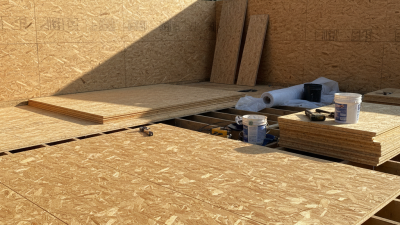
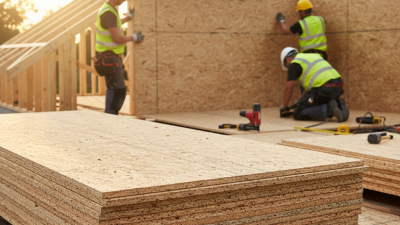
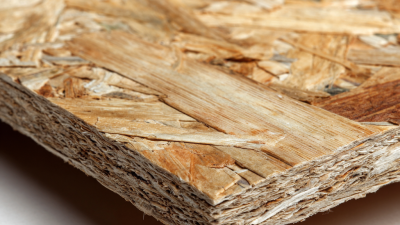
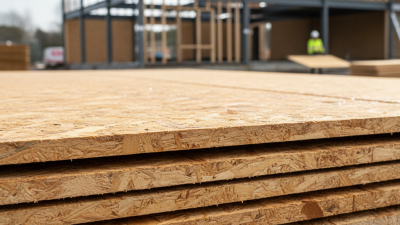
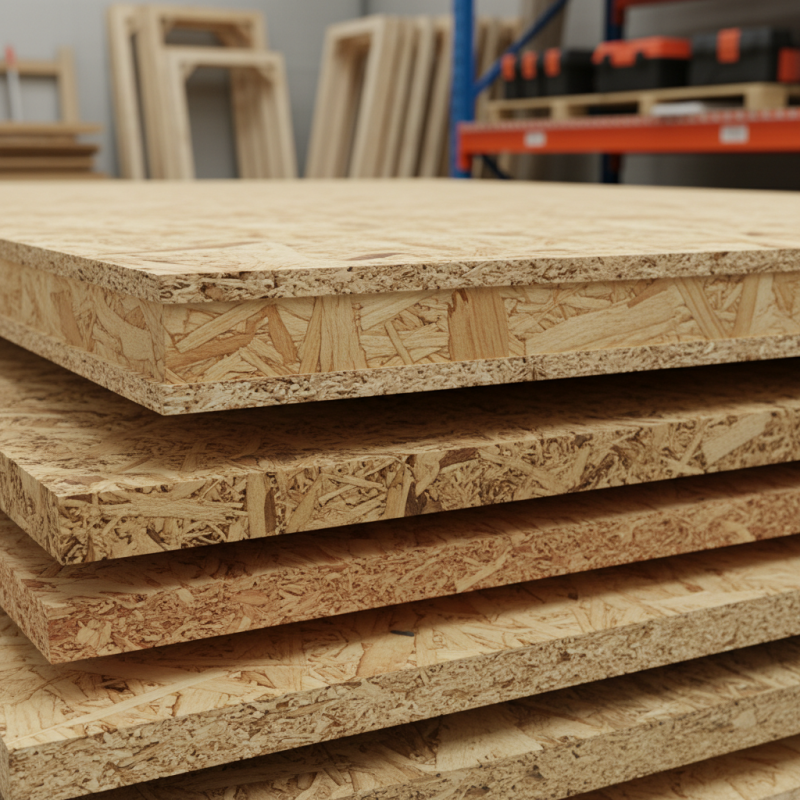
OSB (Oriented Strand Board) has become a popular choice in construction due to its versatility. It is made from strands of wood arranged in specific orientations. This gives it strength and durability. OSB boards come in various types, including structural and non-structural options. Structural OSB is often used in flooring and wall sheathing, while non-structural OSB is great for furniture and decorative projects.
When choosing OSB for your project, consider where it will be used. Moisture resistance is crucial for areas exposed to humidity. Make sure to check the specifications of each board type. Some boards may not hold up well in wet conditions. Always verify if the board meets your specific needs.
Tips: Store OSB in a dry, ventilated area to prevent warping. When cutting OSB, wear appropriate safety gear to protect your eyes and lungs from dust. Even minor mistakes in measurements can lead to waste. Don't rush your measurements; accuracy is key for a successful build.
Key Factors Influencing OSB Board Selection for Different Projects
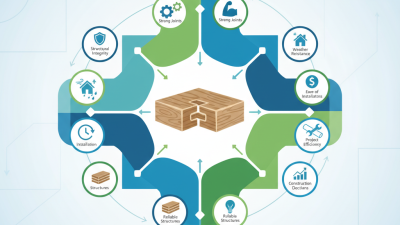
When selecting OSB boards for your projects, several key factors come into play. Understanding their structural integrity is crucial. OSB boards are made from wood strands, providing strength and durability. Different projects may require varying thicknesses and grades based on load-bearing needs.
Thicker boards typically offer better performance in demanding applications.
Moisture resistance is another significant factor. Some boards are better suited for high-humidity environments, while others may warp or swell. Evaluating the environmental conditions is essential for longevity. Proper sealing and treatment can mitigate risks, but choosing the right board initially can prevent many headaches.
Cost considerations also impact decisions. Higher quality boards usually come at a premium. It is essential to balance budget constraints with project needs. Sometimes, cheaper options might save money upfront but could lead to failures down the line. It’s worth reflecting on how these choices affect the overall quality and lifespan of your work.
Comparative Analysis of OSB Board Grades and Their Performance Metrics
When choosing OSB board for your project, understanding the grades and performance metrics is essential. OSB, or oriented strand board, has different grades that significantly impact its durability and application. According to the APA – The Engineered Wood Association, structural grades like OSB/1, OSB/2, OSB/3, and OSB/4 are rated based on their mechanical properties and intended use. OSB/3, for instance, is notably moisture-resistant, making it suitable for humid environments.
Interestingly, the manufacturing process itself influences the performance of OSB. Higher-grade boards often undergo more rigorous tests for strength and endurance. In a study conducted by the USDA Forest Products Laboratory, OSB’s average shear strength is reported to be around 50% greater than that of plywood in similar applications. This provides a compelling reason to consider OSB for strength-demanding projects.
Tip: Consider the installation environment before choosing your OSB grade. For outdoor projects, a higher grade, like OSB/3, may be beneficial. Always factor in the long-term exposure to moisture.
Be mindful, however, that while OSB is highly versatile, it can swell and deform when exposed to excess water. This highlights the importance of correct sealing and protective finishes. Inadequate protection can lead to unforeseen issues, impacting the project timeline and overall integrity. Thus, weighing the benefits and potential pitfalls is a sensible approach.
2026 Best OSB Board Wood Options for Your Next Project? - Comparative Analysis of OSB Board Grades and Their Performance Metrics
| OSB Grade |
Thickness (inches) |
Weight per sheet (lbs) |
Moisture Resistance |
Typical Applications |
Cost (per sheet) |
| OSB/1 |
0.5 |
40 |
Low |
Interior, furniture |
$10 |
| OSB/2 |
0.75 |
50 |
Moderate |
Wall sheathing |
$12 |
| OSB/3 |
1.0 |
60 |
High |
Structural applications |
$15 |
| OSB/4 |
1.25 |
70 |
Very High |
Heavy duty structures |
$20 |
Cost-Benefit Assessment of OSB Against Plywood and Other Alternatives
Oriented Strand Board (OSB) has gained traction as a popular building material. Costs are often a central factor in choosing between OSB and plywood. According to a report by the Structural Board Association, OSB typically costs 20-30% less than plywood, making it a more attractive option for budget-conscious projects. This price difference can significantly impact large-scale building efforts, allowing for more cost-effective material choices.
However, while saving money is important, durability and performance cannot be overlooked. OSB has shown strengths in certain applications, such as flooring and sheathing, with a reported shear strength comparable to plywood. A study by the Forest Products Laboratory revealed that properly manufactured OSB can perform effectively in structural applications. Yet, potential weaknesses exist. OSB can absorb moisture more readily than plywood, leading to concerns in humid environments.
Environmental considerations also play a role in this cost-benefit assessment. OSB is made from smaller wood pieces, leading to less waste than traditional plywood. This aspect aligns with sustainable building practices, appealing to eco-conscious builders. Nonetheless, the production process can involve chemicals that might raise red flags for some. Understanding these nuances helps in making informed choices.
Environmental Impact and Sustainability of OSB Board Production in 2026
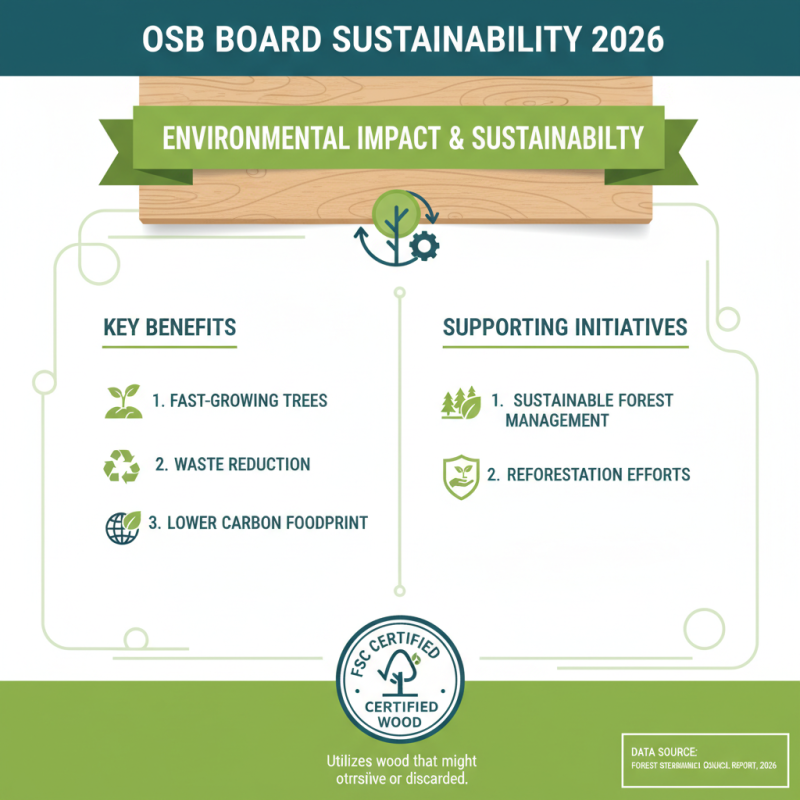
The environmental impact of OSB (Oriented Strand Board) production has become a focal point for builders and manufacturers in 2026. Recent studies indicate that OSB is crafted primarily from fast-growing trees, which helps in sustainable forest management. According to a report from the Forest Stewardship Council, the production of OSB can reduce waste by utilizing wood that might otherwise be discarded. This not only lowers the carbon footprint but also supports ongoing reforestation efforts.
However, the sustainability of OSB production still requires careful reflection. For example, the adhesives used in OSB can emit volatile organic compounds (VOCs). A study by the National Wood Flooring Association highlights that these emissions can pose health risks. Selecting low-VOC or formaldehyde-free options can lead to a healthier indoor environment.
Tips: When choosing OSB for your project, look for certified products. This ensures that the material comes from responsibly managed forests. Always check for emissions ratings to prioritize safety.
As the demand for sustainable materials grows, the challenge lies in balancing performance with environmental responsibility. The effectiveness of OSB hinges on transparent supply chains and advancements in green technology. Continuing efforts in innovation are crucial to enhance the sustainability of OSB production while maintaining its structural integrity.