Top 2025 Trends in Colored Plywood for Modern Home Design
As we move towards 2025, the architectural landscape is evolving, with colored plywood emerging as a pivotal element in modern home design. According to the "Plywood Market Analysis" report by industry specialists at the Wood Products Association, the demand for colored plywood is projected to grow by 15% annually as homeowners and designers seek innovative materials to express individuality and modern aesthetics. The versatility and range of colors available allow for enhanced creative freedom, offering exciting prospects for interior and exterior applications.
“Colored plywood is not just a trend; it represents a shift towards personalization in living spaces,” states Dr. Emily Lin, a leading expert in sustainable materials and a consultant for the plywood industry. Her insights highlight how this material can be seamlessly integrated into various design schemes, from minimalist urban homes to vibrant family spaces. As we explore the top trends in colored plywood for 2025, we will delve into the innovative applications and design inspirations that are shaping the future of home interiors, reflecting not only aesthetic preferences but also a commitment to sustainability and functionality.
Emerging Color Trends in Plywood for 2025 Residential Spaces
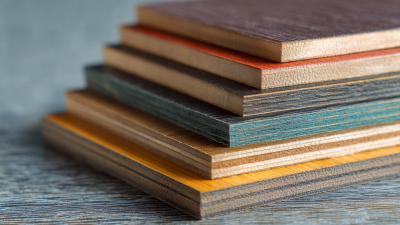
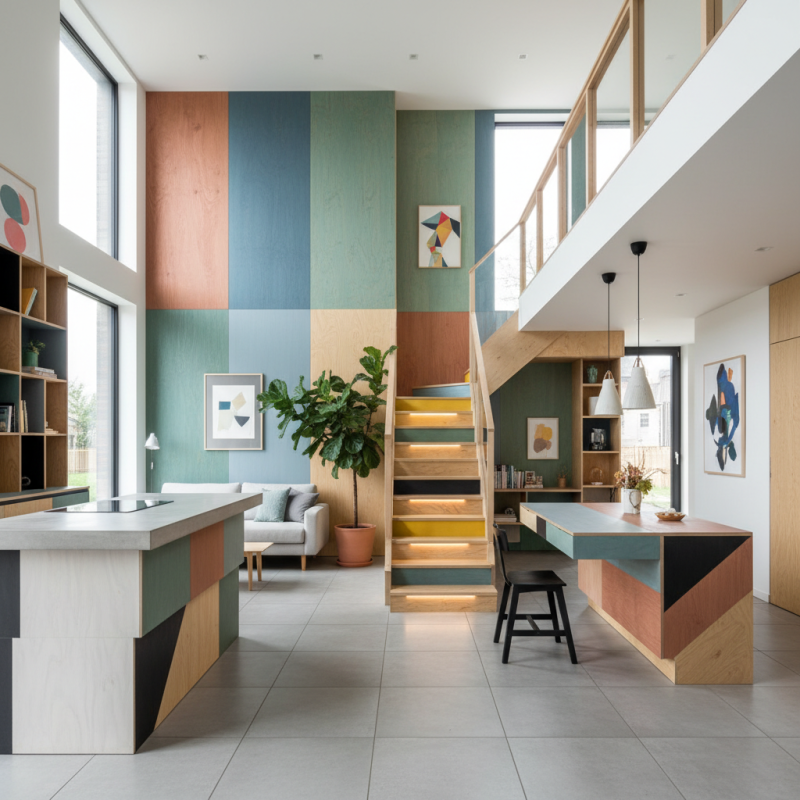
As we look towards 2025, the palette for residential spaces is evolving to embrace a wider spectrum of colors in plywood designs. Homeowners and designers are increasingly seeking unique hues that reflect personal style and enhance emotional well-being. Earthy tones such as sage green and terracotta are gaining traction, as they foster a sense of calm and connection to nature. These colors not only provide warmth and comfort but also create versatile backdrops that allow for playful accent pieces throughout the home.
In addition to earthy tones, bold colors like deep blues, mustard yellows, and rich purples are emerging as focal points in modern interior design. These striking shades work beautifully when used in furniture, cabinetry, or wall paneling, adding a contemporary flair to traditional spaces. The integration of these colors in plywood also highlights the trend towards sustainable design, as homeowners seek materials that are both eco-friendly and aesthetically pleasing. The combination of vibrant color selections with the natural texture of plywood illustrates a shift towards more expressive and individualized home environments, making residential spaces truly reflective of their inhabitants.
Innovative Techniques for Coloring Plywood in Modern Furniture Design
In the realm of modern furniture design, the integration of colored plywood is becoming increasingly prevalent. Plywood, traditionally admired for its versatility and strength, is experiencing a renaissance, thanks in part to innovative coloring techniques that enhance its aesthetic appeal. From sophisticated stains to bold dyes, designers are continually exploring new ways to inject vibrancy and character into their creations while maintaining the material's inherent qualities.
When considering colored plywood for your home, it's essential to choose the right technique that complements your design vision. Water-based dyes, for example, can produce rich color saturation without obscuring the natural grain, creating a stunning visual effect. Additionally, layering techniques, where multiple colors are applied in translucent layers, add depth and complexity to the plywood surface. This method allows for creative expression while maintaining the durability expected from plywood in furniture applications.
**Tips:**
1. Experiment with sample pieces before committing to a full project. This will help you visualize how different colors interact with your space.
2. Combine colored plywood with neutral elements to create balance in your design, ensuring that the vibrant hues do not overwhelm the overall aesthetic.
3. Consider the lighting in your room; the way light reflects off colored plywood can significantly influence its appearance throughout the day.
Top 2025 Trends in Colored Plywood for Modern Home Design
| Trend |
Color Techniques |
Application |
Sustainability |
| Natural Stains |
Plant-based dyes |
Furniture and cabinetry |
Eco-friendly |
| Bold Monochromes |
High-gloss lacquers |
Accent walls |
Low VOCs |
| Textured Finishes |
Brushed and sanded |
Tabletops and shelving |
Sustainable sourcing |
| Gradient Effects |
Ombre staining |
Accent furniture |
Recyclable materials |
| Pastel Shades |
Soft pigmented paints |
Children's furniture |
Sustainably produced |
Sustainable Materials: Eco-Friendly Colored Plywood Options
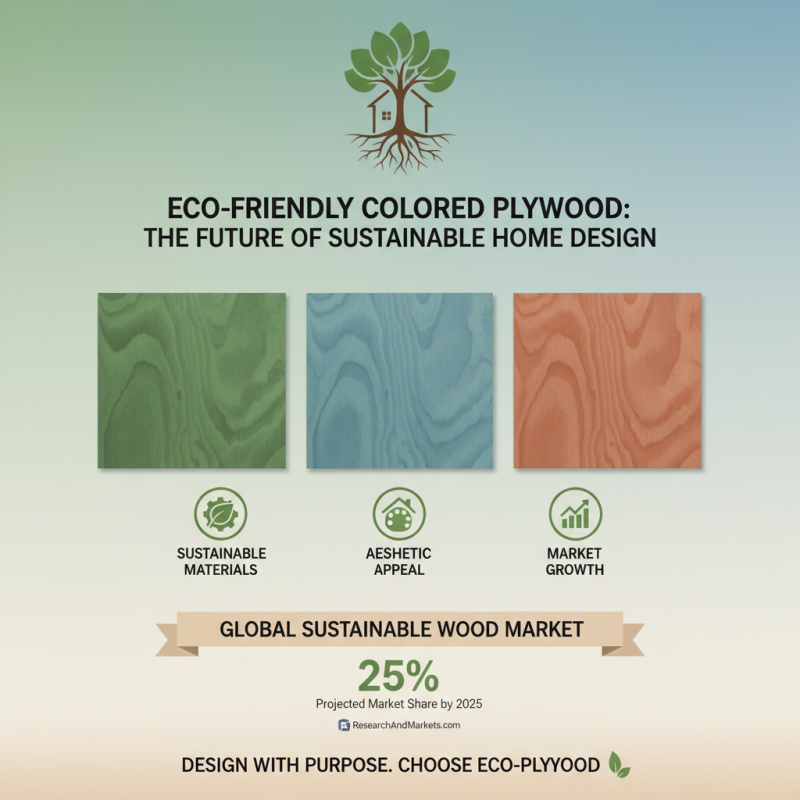
As the focus on sustainable living intensifies, eco-friendly colored plywood options are becoming indispensable in modern home design. Plywood, traditionally viewed as a basic building material, is now evolving into a palette of colors and finishes that not only enhance aesthetic appeal but also support ecological sustainability. According to a market analysis by ResearchAndMarkets, the global market for sustainable wood products is projected to grow significantly, with eco-friendly materials gaining a share of approximately 25% by 2025. This trend reflects a broader consumer demand for products that align with environmentally conscious values.
One of the most promising aspects of colored plywood is its versatility and renewability. Manufacturers are increasingly utilizing non-toxic dyes and sustainable sourcing practices, contributing to reduced carbon footprints. The Forest Stewardship Council (FSC) states that responsibly sourced wood can facilitate biodiversity and promote healthier ecosystems. Consequently, homeowners are presented with a unique opportunity to incorporate vibrant and personalized designs into their spaces while supporting sustainable forestry practices. With innovations in finishing techniques, colored plywood can mimic the visuals of solid wood, offering an elegant yet sustainable option for furniture and interior applications.
The benefits of choosing eco-friendly colored plywood extend beyond aesthetics; they also encompass material performance. The use of sustainable adhesives and treatments not only enhances durability but ensures that the products remain safe for indoor air quality. A study published by the American Journal of Environmental Sciences found that using low-VOC (volatile organic compounds) materials can significantly improve indoor air conditions, fostering healthier living environments. As awareness around the importance of sustainability continues to grow, integrating colored plywood into modern home design presents an ideal solution for eco-conscious consumers looking to create stylish, functional, and responsible living spaces.
Impact of Colored Plywood on Interior Aesthetics and Mood
Colored plywood is rapidly becoming a prominent choice in modern home design, profoundly impacting interior aesthetics and mood. According to the latest industry reports, the use of colored wood products has surged by approximately 40% in the last few years, driven by an increasing demand for personalized and vibrant interiors. This trend is not merely about visual appeal; color plays a crucial role in influencing our emotions and perceptions within a space. Researchers have shown that certain colors can evoke feelings of warmth, tranquility, or even energy, which makes the strategic use of colored plywood an effective tool for interior designers.
Moreover, the versatility of colored plywood allows it to be integrated into various design styles, from contemporary to rustic. A report from the Home Interior Trends Survey reveals that 65% of homeowners believe that the right color choices can significantly improve their mood and overall satisfaction with their living environment. For instance, bright colors like yellows and greens are often associated with happiness and vitality, while blues and neutrals can create a calming atmosphere. As such, the thoughtful use of colored plywood not only enhances aesthetic appeal but also shapes the emotional landscape of modern homes, making them more inviting and reflective of individual lifestyles.
Case Studies: Successful Applications of Colored Plywood in Homes
Colored plywood has emerged as a transformative element in modern home design, bringing a splash of personality and contemporary flair to interiors. One notable case study features a family home where vibrant blue and green plywood was utilized to create unique kitchen cabinetry. This playful choice not only adds depth but also enhances the cooking space's functionality. The striking colors create a lively atmosphere, fostering creativity and warmth—essential elements for family gatherings.
Another inspiring example can be found in a minimalist living room that incorporated light-colored plywood panels with subtle pastel hues. The soft tones served as a backdrop for decorative elements, allowing art pieces and furniture to stand out prominently. This approach beautifully illustrates how colored plywood can integrate seamlessly into various design aesthetics while maintaining an airy and spacious feel.
Tips: When considering colored plywood for your home, think about how the colors will interact with natural light. Testing samples in different lighting at various times of day can help you visualize the final effect. Additionally, consider pairing the colored plywood with neutral furnishings to create a balanced and harmonious look that allows your vibrant elements to shine without overwhelming the space.